The Importance of Informed Sourcing for Kava Bars
For any kava bar, the quality and integrity of the product served are paramount. Patrons seek a genuine experience, which begins with the kava itself. Understanding how to critically evaluate potential suppliers and their products is not just good business practice; it's a commitment to the kava culture and the well-being of your community. As of October 2026, the landscape of kava sourcing continues to emphasize transparency and adherence to established quality standards. This guide focuses on the specific questions kava bar owners and managers should pose to their suppliers to ensure they are acquiring noble, root-only kava that meets rigorous standards.
Verifying Authenticity: Cultivar and Origin
One of the foundational aspects of kava quality is its cultivar and geographic origin. Not all kava is created equal, and the distinction between noble and commercial varieties is crucial. Noble kava is traditionally preferred for its desirable characteristics, while commercial or 'tudei' kava is generally avoided due to its less favorable profile. When engaging with a kava supplier, these questions are essential:
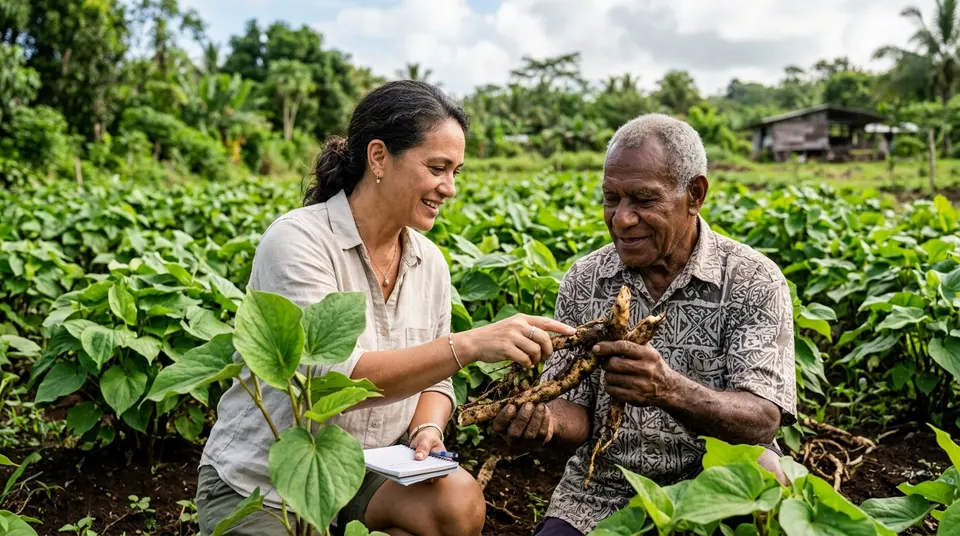
- Where exactly is your kava sourced? A reputable supplier should be able to specify the island and even the region within that island where their kava originates. General answers like "the Pacific" are insufficient.
- Can you name the specific cultivar(s) of the kava you supply? Knowing the cultivar, such as Borogu, Melo Melo, or Loa Waka, demonstrates a deep understanding of the product and its characteristics. This also helps confirm it is a noble variety.
- Is the kava 100% root material? It is important to confirm that the product consists solely of the root, and not other plant parts like stems or leaves, which are not traditionally consumed.
- Are the roots lateral or basal? Understanding the proportion of lateral versus basal roots can provide insight into the kava's traditional use and typical strength profile.
These questions move beyond superficial details, delving into the specific botanical and geographical identity of the kava. Suppliers who can readily provide this information demonstrate a commitment to quality and transparency.
Ensuring Product Purity and Safety: Laboratory Testing
Beyond cultivar and origin, the safety and purity of kava are non-negotiable. Laboratory testing, specifically through a Certificate of Analysis (COA), is the primary method for verifying these aspects. A COA provides detailed information about the kava's chemical composition and confirms the absence of contaminants. Here are the critical questions related to testing:
- Can you provide a current Certificate of Analysis (COA) for each batch of kava? A COA should be readily available and up-to-date. If a supplier hesitates, delays, or cannot produce one, it is a significant red flag.
- What does the COA confirm regarding kavalactone content? The COA should detail the kavalactone profile, which indicates the potency and chemical makeup of the kava.
- Does the COA test for heavy metals, pesticides, and microbial contaminants? Comprehensive testing should include these elements to ensure the kava is free from harmful substances.
- Which independent third-party laboratory conducts your testing? Using an accredited, independent laboratory adds another layer of credibility to the test results.
The availability and transparency of COAs are fundamental indicators of a reputable kava supplier. This documentation is not merely a formality; it is a critical safeguard for your patrons and your business.
Understanding the Supply Chain and Processing
The journey of kava from the farm to your bar involves several steps, each of which can impact the final product's quality. Inquiring about the supplier's process demonstrates a thorough approach to sourcing and helps ensure consistency and adherence to best practices. Consider asking:
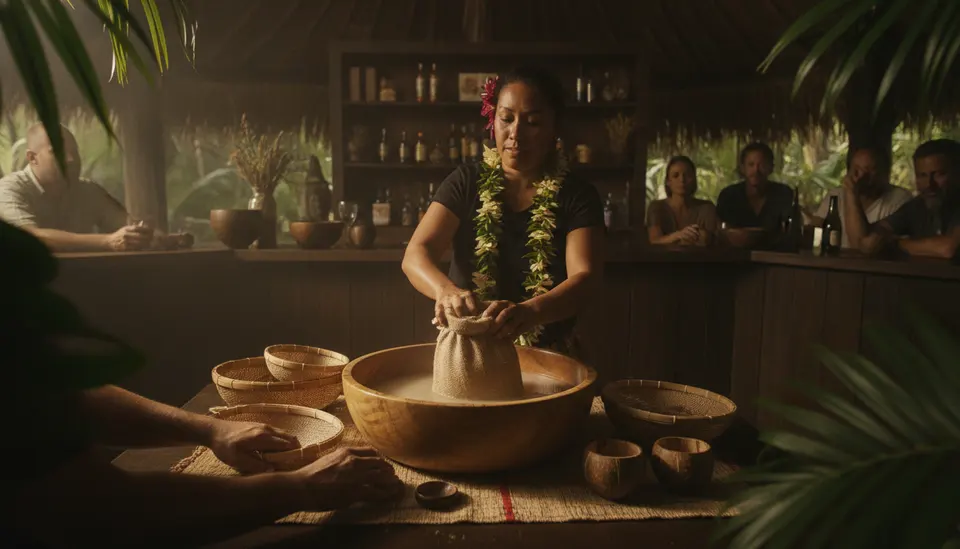
- What is the process behind transforming the green leafy plant into the product you supply? This question encourages the supplier to explain their harvesting, drying, and processing methods.
- How is the kava dried and stored before shipment? Proper drying and storage are crucial for preventing mold and preserving the kava's integrity.
- What quality control measures are in place throughout your supply chain? Understanding their internal quality checks provides insight into their commitment to consistent product standards.
- How do you ensure ethical sourcing practices with your growers? While not directly related to product chemistry, ethical sourcing reflects a supplier's overall integrity and commitment to the communities that cultivate kava.
A supplier who can clearly articulate their entire process, from cultivation to packaging, inspires greater confidence. This transparency helps ensure that the kava you receive has been handled with care and expertise at every stage.
Long-Term Partnership and Information Access
Building a relationship with a kava supplier is an ongoing process. Beyond the initial questions, consider how they support their clients and provide information over time. Trustworthy suppliers are not just transactional; they are resources for their customers.
- How do you communicate changes in sourcing or product availability? Consistent communication is vital for managing inventory and maintaining product consistency in your bar.
- Do you offer educational resources or support regarding kava varieties and preparation? A supplier who invests in educating their clients demonstrates a commitment to the broader kava community.
- What is your policy regarding product returns or quality concerns? A clear policy indicates professionalism and a willingness to stand behind their product.
Choosing a kava supplier is a significant decision for any kava bar. By asking these detailed and specific questions, you can move beyond general assurances and gain concrete evidence of a supplier's commitment to noble kava, rigorous testing, and transparent practices. This diligence not only protects your business but also upholds the integrity of kava culture for your patrons.
Sources & further reading
- How to Source Kava for Your Bar: Origins & Testingkava.com
- Kava: Origins, Preparation, Effects, Safety, and Third-Place Culture — Deviant Kavadeviantkava.com
- Noble vs Commercial Kava Quality Guide | Kava Quality Explained – Kava Kravekavakrave.com
- Kava Near Me: How to Find Kava Bars and Buy Kava Root — Herb Stompherbstomp.com
- Common Kava Questions? Find Clearer Answers - Buy Kavabuykava.au
- The Ultimate Kava Guide - Kava Topics & Questions - Kalm with Kavakalmwithkava.com