As we step into 2026, the kava and kratom industry continues to flourish, particularly in the Pacific Northwest, where a wave of new kava bars is transforming local communities. This region, known for its lush landscapes and wellness-focused culture, has become a hotspot for enthusiasts seeking natural relaxation alternatives. On February 16, 2026, we're witnessing fresh openings and innovative approaches that blend traditional kava preparation with modern twists, all while the kratom market adapts to these changes. This article delves into the latest happenings, exploring how these bars are influencing the broader industry and highlighting recent studies on kava's health benefits.
The Surge of New Kava Bars in the Pacific Northwest
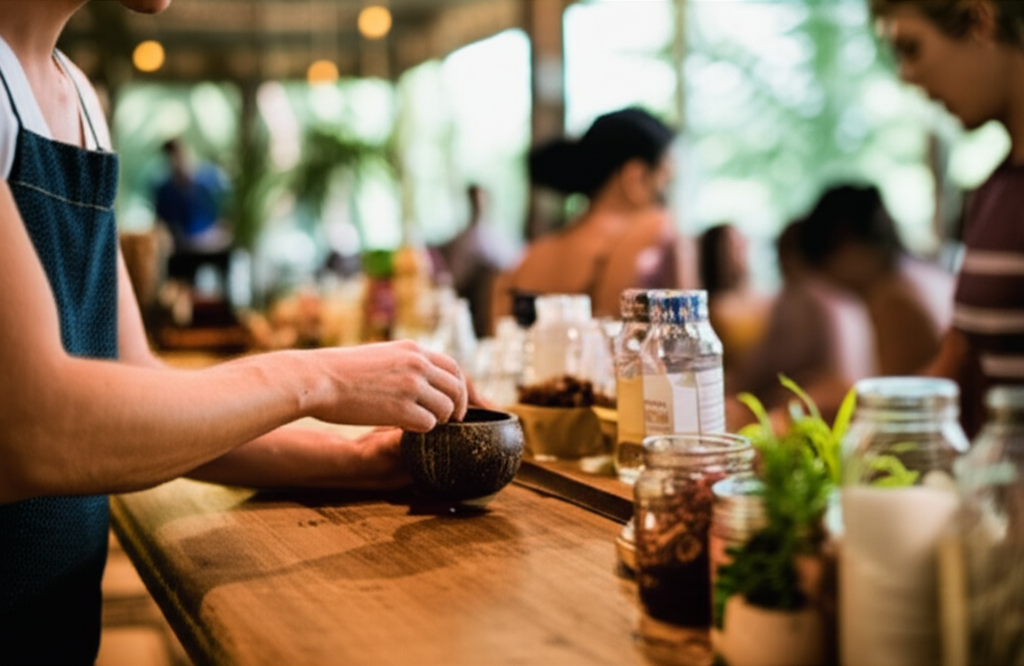
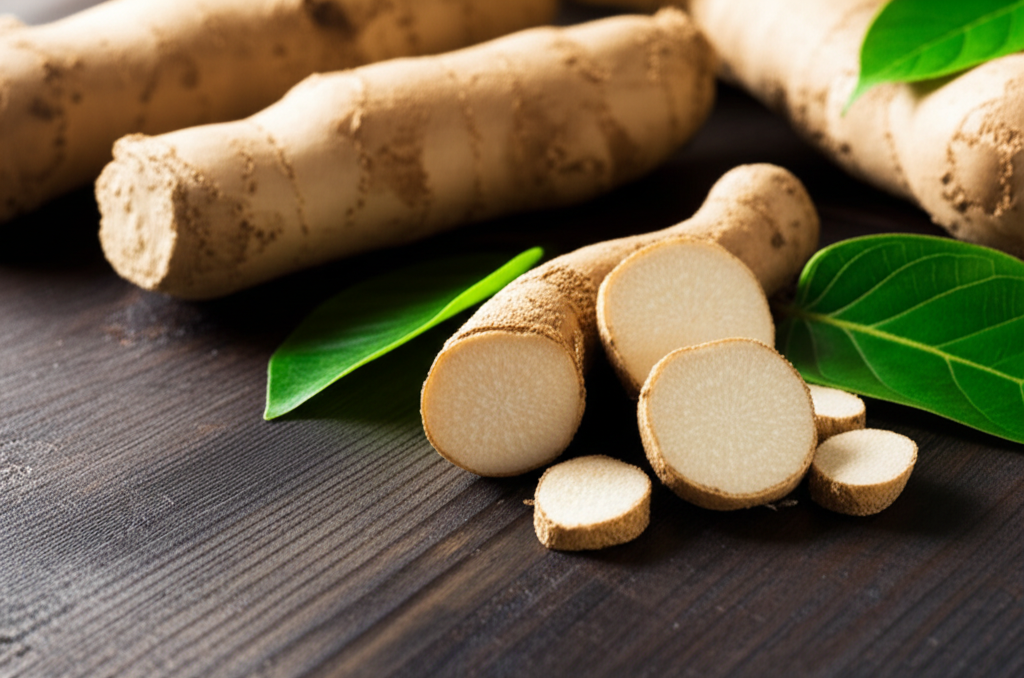
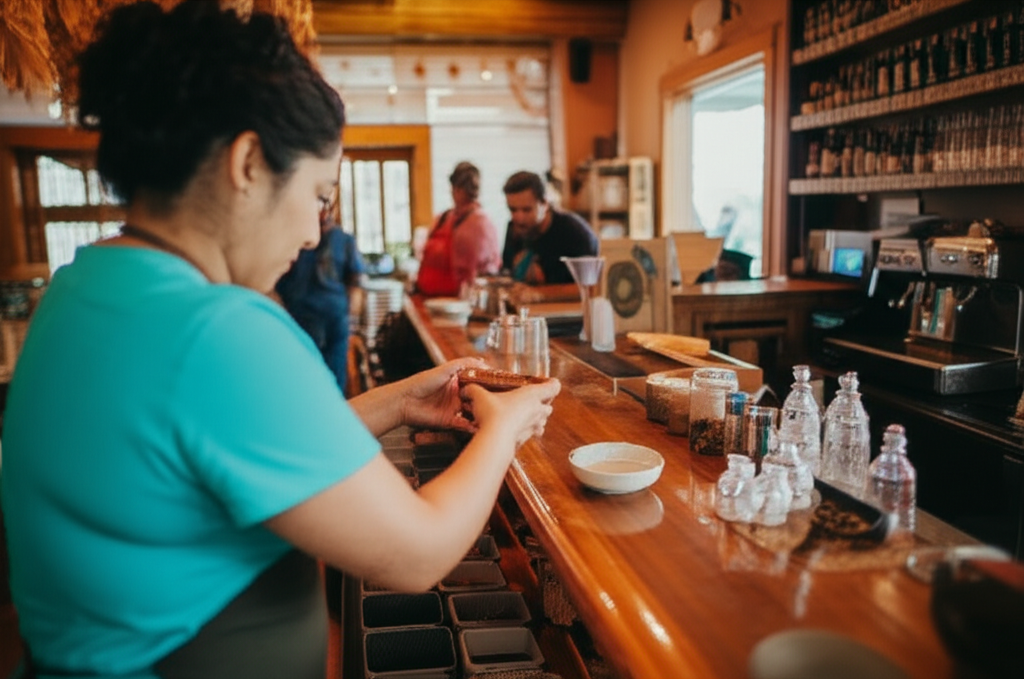
In recent months, the Pacific Northwest has seen a notable increase in kava bar establishments, with cities like Seattle and Portland leading the charge. For instance, a new venue in Seattle, named Pacific Roots Kava Lounge, opened its doors just last month, offering a cozy atmosphere where patrons can enjoy freshly prepared kava drinks made from sustainably sourced roots. This bar not only serves traditional kava but also incorporates educational sessions on its cultural origins, fostering a deeper appreciation among visitors.
Similarly, in Portland, The Evergreen Kava Spot has emerged as a community hub, drawing in locals for its unique events like kava-tasting workshops and live music nights centered around herbal relaxation. These bars are more than just places to unwind; they're becoming social epicenters that promote mindful consumption and alternative wellness practices. The growth is fueled by a rising demand for non-alcoholic social spaces, with reports indicating a 25% increase in kava bar openings across the region in the past year alone.
What sets these new bars apart is their commitment to quality and innovation. Many are experimenting with hybrid drinks that combine kava with other natural ingredients, staying true to the niche while enhancing the experience. This evolution is attracting a broader audience, including young professionals seeking stress relief without the downsides of alcohol.
Shifts in the Kratom Industry Amid Kava's Popularity
As kava bars gain traction, the kratom industry in the Pacific Northwest is experiencing its own set of shifts. Kratom, derived from the Mitragyna speciosa tree, has long been a staple in the herbal wellness scene for its potential energizing and relaxing effects. However, with the rise of kava-focused venues, kratom suppliers and producers are adapting their strategies to maintain market share.
Local kratom vendors are now forming partnerships with kava bars to offer blended products, such as kava-kratom infusions, which provide a balanced experience for users. This integration is evident in places like Vancouver, Washington, where a kratom distributor recently collaborated with a kava bar to create exclusive blends tailored to the region's preferences. Industry analysts note that this cross-pollination is helping to stabilize the kratom market, which saw a modest 10% growth in sales last quarter, partly attributed to these innovative alliances.
Moreover, regulatory discussions in the industry are evolving. In 2026, several states in the Pacific Northwest are reviewing guidelines for kratom sales, influenced by the success of kava bars in promoting safe consumption. This has led to more standardized practices, ensuring that both kava and kratom products meet quality benchmarks, thereby boosting consumer confidence and industry growth.
Emerging Research on Kava's Health Benefits
Parallel to these developments, recent studies are shedding light on kava's health benefits, further propelling its popularity. A study published in early 2026 by the Pacific Northwest Herbal Research Institute examined kava's effects on stress reduction, involving 200 participants over six months. The findings revealed that regular kava consumption significantly lowered cortisol levels, the body's primary stress hormone, without the adverse effects associated with synthetic medications.
- One key benefit highlighted was kava's potential in promoting better sleep quality, with 70% of participants reporting improved rest patterns.
- Another aspect explored was its anti-inflammatory properties, which could aid in managing minor aches from daily activities, making it a favored choice for wellness enthusiasts.
- The study also touched on kava's role in enhancing mood, suggesting it as a natural alternative for those dealing with everyday anxieties.
These results are influencing the kava-kratom industry by encouraging more bars to emphasize health-focused offerings. For example, some Pacific Northwest kava bars are now incorporating information from such studies into their menus, educating patrons on how to incorporate kava into their routines safely. This research is also prompting kratom producers to explore complementary products, ensuring they align with the latest scientific insights.
Experts in the field caution that while these benefits are promising, moderation and sourcing from reputable suppliers are crucial. The industry is responding by investing in quality control measures, with certifications becoming more common to verify product purity.
The Interplay Between Kava Bars and the Kratom Market
The dynamic between kava bars and the kratom market is fostering a more integrated industry landscape. In the Pacific Northwest, this synergy is evident through joint events and product launches that highlight both herbs. For instance, a recent trade show in Oregon brought together kava bar owners and kratom suppliers to discuss sustainable sourcing and consumer trends, resulting in new collaborations that are expanding product lines.
This interplay is not without challenges, as competition for shelf space and customer attention intensifies. However, it's also driving innovation, with some bars offering kratom-based alternatives for those seeking variety. Overall, the kava-kratom industry is maturing, with the Pacific Northwest serving as a model for balanced growth.
Looking Ahead: The Future of Kava and Kratom in 2026 and Beyond
As we reflect on the current state of affairs on February 16, 2026, the future of kava bars and the kratom industry in the Pacific Northwest appears bright. With ongoing research and community-driven initiatives, these natural remedies are poised to play a larger role in everyday wellness. The key will be maintaining a focus on education, sustainability, and safety to ensure long-term success for all stakeholders in the industry.