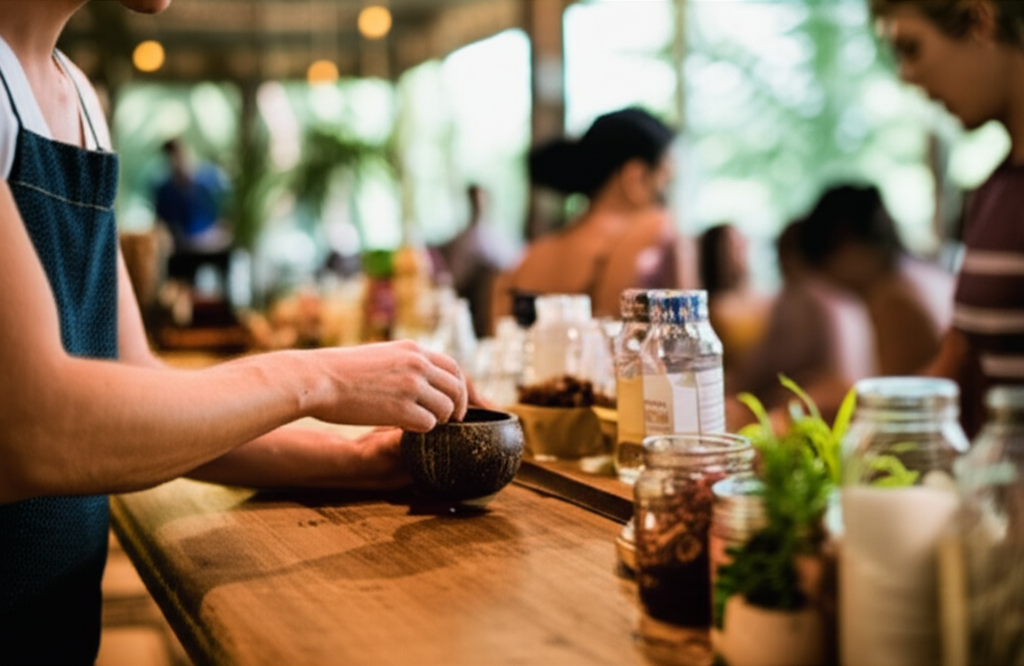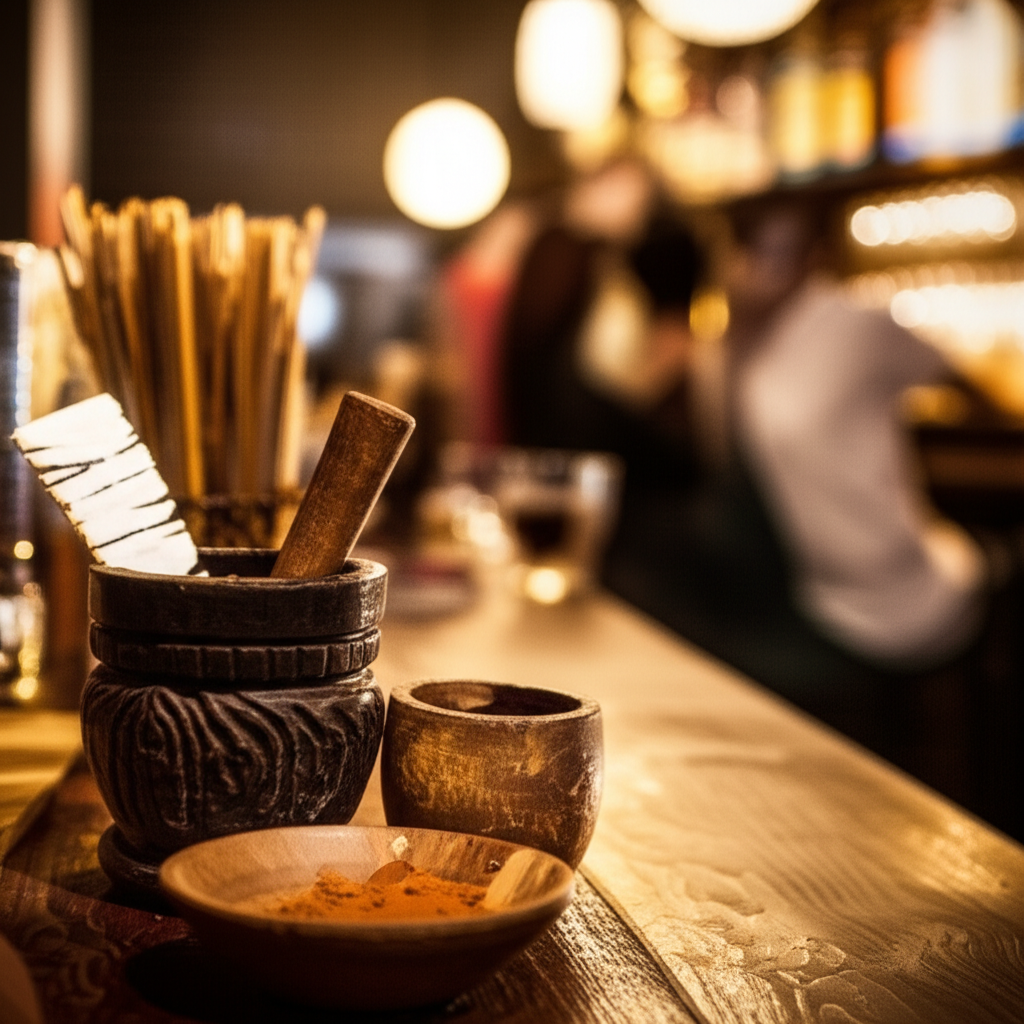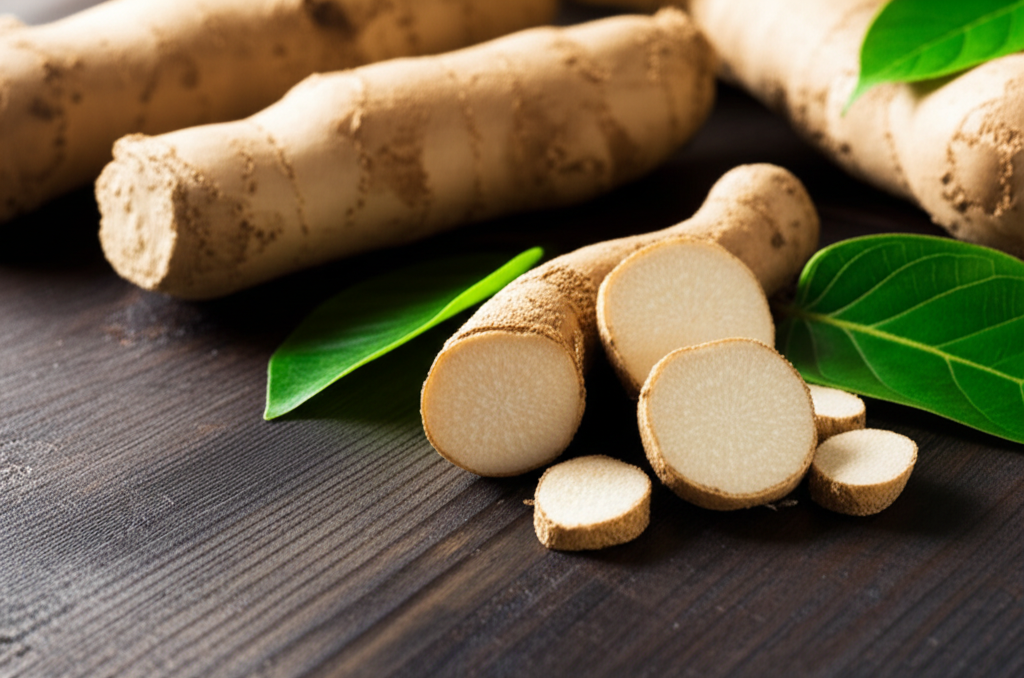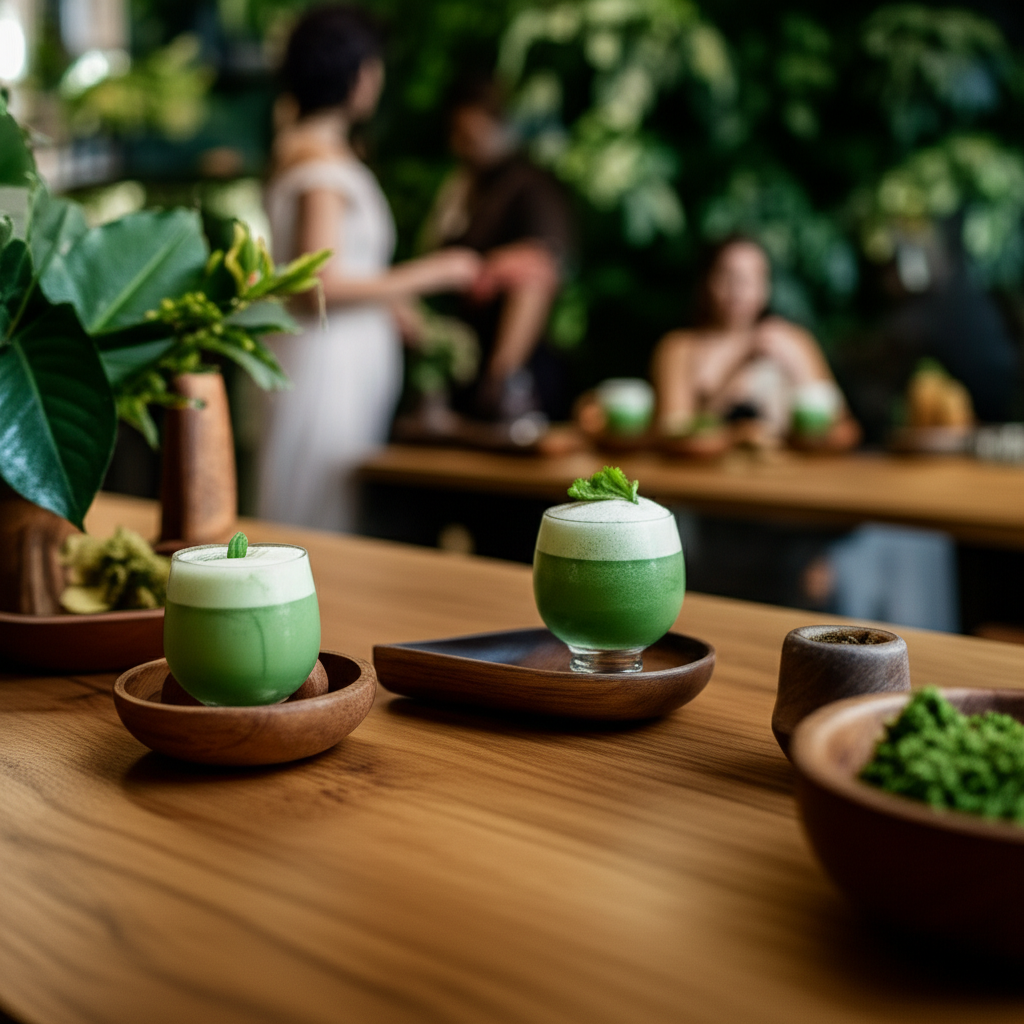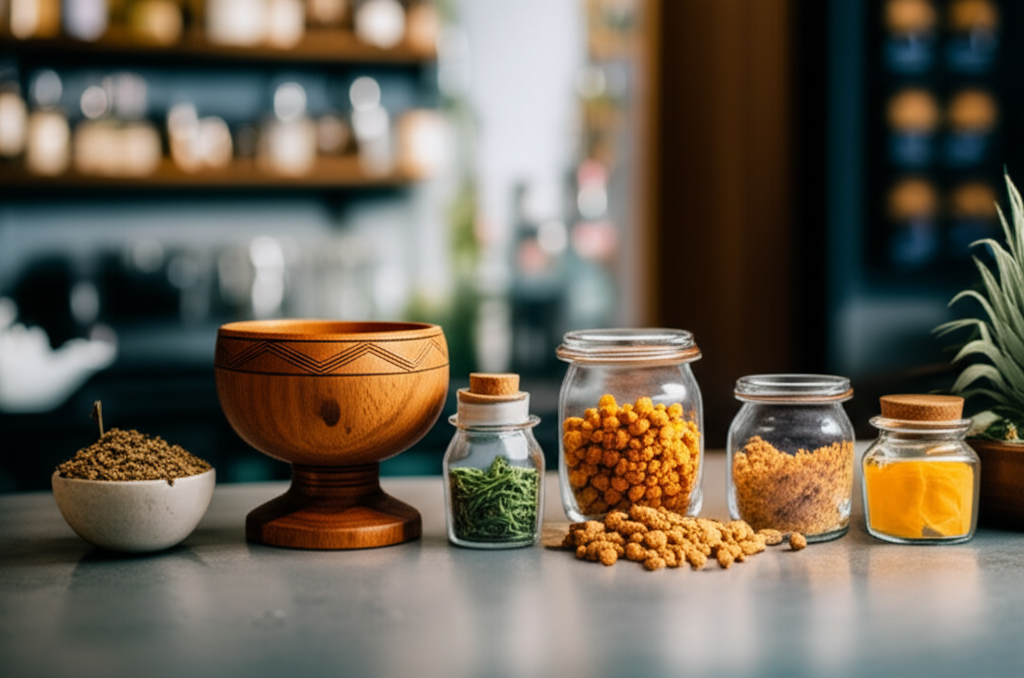
Kava bars have become a real part of how people in 2026 think about relaxation and natural wellness. These establishments, once hard to find outside of Hawaii or Pacific Island communities, now dot urban neighborhoods across the country. What's changed is that many of them are now mixing in k alongside their traditional offerings, creating new experiences for customers curious about both plants.
The Rise of Kava Bars: A 2026 Perspective
If you walked into a kava bar five years ago, you might have been one of just a handful of customers on a weeknight. Today, the scene looks different. New spots open regularly in cities and suburbs, and they draw crowds looking for alternatives to alcohol or prescription sleep aids. I visited three kava bars in my area last month and found them packed on a Tuesday evening — something that would have been unthinkable in 2021.
The appeal goes beyond the drink itself. These bars function as gathering spaces where people talk, play games, and learn about where kava comes from. Patrons can ask questions about different varieties — like the differences between Fijian and Vanuatu strains — and sample brews with distinct flavor profiles. This educational angle has become a selling point, with some bars hosting monthly "kava tasting nights" led by knowledgeable staff.
Kratom's Growing Role in the Kava Industry
Kratom, derived from the Southeast Asian tree Mitragyna speciosa, has followed a parallel but distinct path. While kava has centuries of Pacific Island tradition behind it,kratom's rise in the U.S. is more recent and controversial. In 2026, some kava bars are addingkratom to their menus in the form of teas, tinctures, or capsules, appealing to customers who want either an energy boost or relaxation.
The regulatory situation remains complicated. Kratom is banned or restricted in several states, and the FDA has not approved it for any medical use. Quality control varies wildly between suppliers. The more reputable bars address this by sourcing only from vendors who provide third-party lab results showing purity and potency. I've talked to bar owners who refuse to carry certain brands because they can't verify what's in them.
- Hybrid drinks: Some bars now offer kava-kratom blends, marketed as providing balanced effects.
- Sustainability push: Farmers in Indonesia and Thailand are being pressured by U.S. importers to adopt better harvesting practices.
- Educational workshops: Several bars host monthly sessions explainingkratom's traditional uses and modern applications.
- New product formats: Pre-packaged kava andkratom drinks are showing up in grocery stores, extending reach beyond bars.
Exploring Kava's Natural Health Benefits
People have used kava for relaxation purposes in the Pacific Islands for over 3,000 years. The active compounds, called kavalactones, appear to affect the brain's GABA receptors — the same system that benzodiazepines target, though much more gently. In practice, this means many users feel calmer without the mental fog that comes from pharmaceutical options.
What I hear most from regular kava drinkers is that it helps them sleep. A friend of mine who struggled with insomnia for years now drinks kava tea before bed and says it's the only thing that's worked consistently. Others mention it takes the edge off after stressful workdays. The evidence is largely anecdotal at this point, though some small clinical trials have shown promising results for anxiety reduction.
Kava bars amplify these potential benefits by offering guidance on dosing. Staff members typically explain how much kavalactone content to expect in each serving and suggest consumption methods. When combined withkratom — which some users report gives them energy — the two plants together create a kind of spectrum of effects that customers can tailor to their needs.
The Interplay Between Kava Bars and Industry Trends
Kava bars aren't just reflecting industry changes; they're driving them. The push for transparency started partly because bar owners demanded better information from their suppliers. Now, many bars prominently display lab test results and source information, setting expectations that other retailers follow.
Thekratom side has benefited from this visibility. Whenkratom products appear in respected kava bars with staff who can explain them, it lends credibility that online vendors struggle to achieve. Some suppliers have responded by improving their processing methods, creating cleaner extracts that preserve more of the plant's natural alkaloids.
Fair trade and organic certifications matter more now than ever. Customers ask where kava comes from, and bars that can trace their supply back to specific farms in Fiji or Vanuatu can command higher prices. This benefits farmers directly, many of whom still live in poverty despite growing crops for export.
- Testing standards: Most major kava bars now require COAs (Certificates of Analysis) from every supplier.
- Online expansion: Many bars run e-commerce stores selling products they don't carry on-site.
- Cultural respect: Bars that involve Pacific Island communities in their operations tend to last longer than those that simply capitalize on trends.
Looking Ahead: The Future of Kava and Kratom
The trajectory looks upward for both plants, though challenges remain. Kava faces ongoing concerns about liver health when consumed in extreme quantities, whilekratom continues to battle regulatory hurdles and public perception issues. The bars that will succeed are those that prioritize education, quality, and responsible use over quick profits.
What's clear is that these establishments have moved beyond being novelty venues. They're now legitimate parts of the wellness industry, offering people genuine alternatives for stress relief and relaxation. Whether you're curious about trying kava for the first time or already have a preferred strain, 2026 offers more options and information than ever before.
2026 Update
As of mid-2026, several major kava bar chains have announced plans to expand into European markets, with the first locations opening in London and Berlin. Meanwhile, a consortium of kava farmers from Fiji and Vanuatu recently formed an export cooperative to better negotiate prices with international buyers, potentially stabilizing supply and improving farmer incomes.