As we step into 2026, the kava and kratom industry continues to evolve, blending age-old traditions with contemporary innovations. One of the most fascinating developments is the resurgence of traditional kava ceremonies in modern kava bars. These ceremonies, rooted in Pacific Island cultures, are not just cultural showcases but are also driving new interest in kava's natural benefits, while subtly shifting dynamics in the kratom market. This article explores how these ancient practices are reshaping kava bars and influencing the broader kratom industry.
The Roots of Kava Ceremonies: A Timeless Tradition
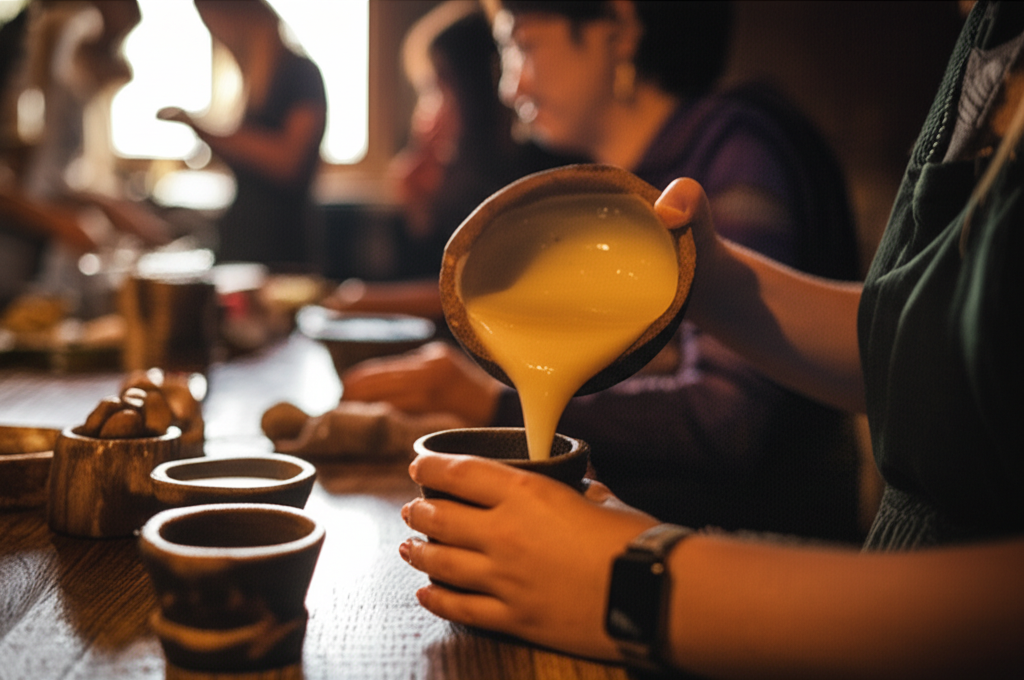
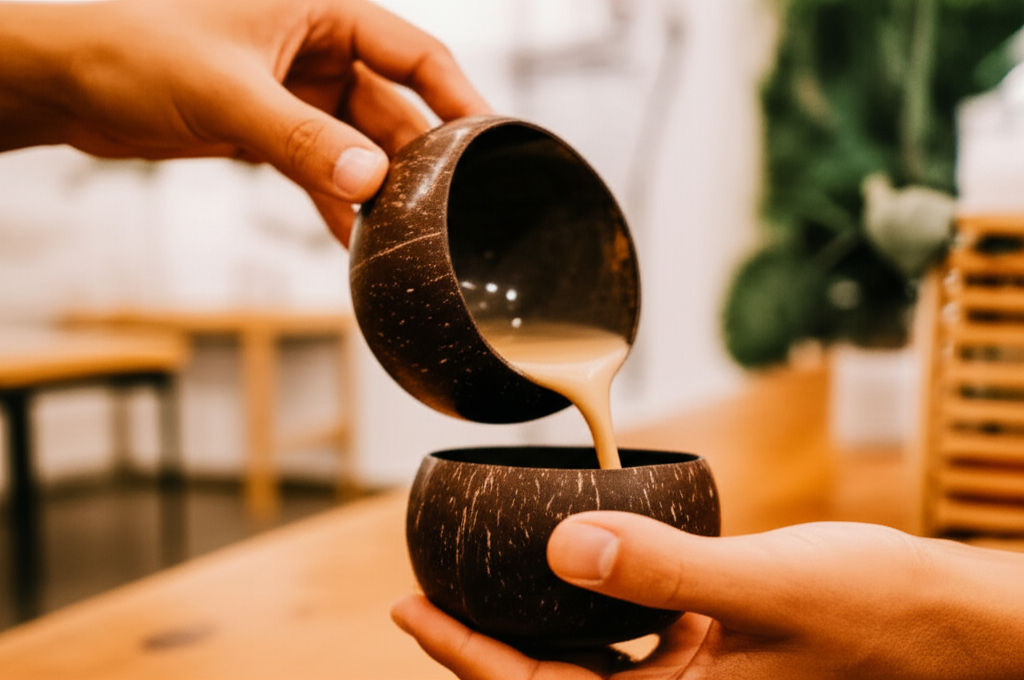
Kava, derived from the root of the Piper methysticum plant, has been a staple in Pacific Island societies for centuries. Traditionally, kava ceremonies involve the careful preparation and sharing of the beverage in a communal setting, fostering social bonds and promoting relaxation. These rituals emphasize respect, mindfulness, and the plant's natural properties, which include calming effects and potential mood enhancement.
In recent years, ongoing research into kava's benefits has highlighted its role in stress reduction and overall well-being. For instance, studies from 2025 have shown that kava contains compounds that may support the body's natural response to daily pressures, making it a popular choice for those seeking herbal alternatives. This revival isn't just about nostalgia; it's about integrating these proven benefits into everyday life through modern venues like kava bars.
Modern Kava Bars: A Fusion of Tradition and Innovation
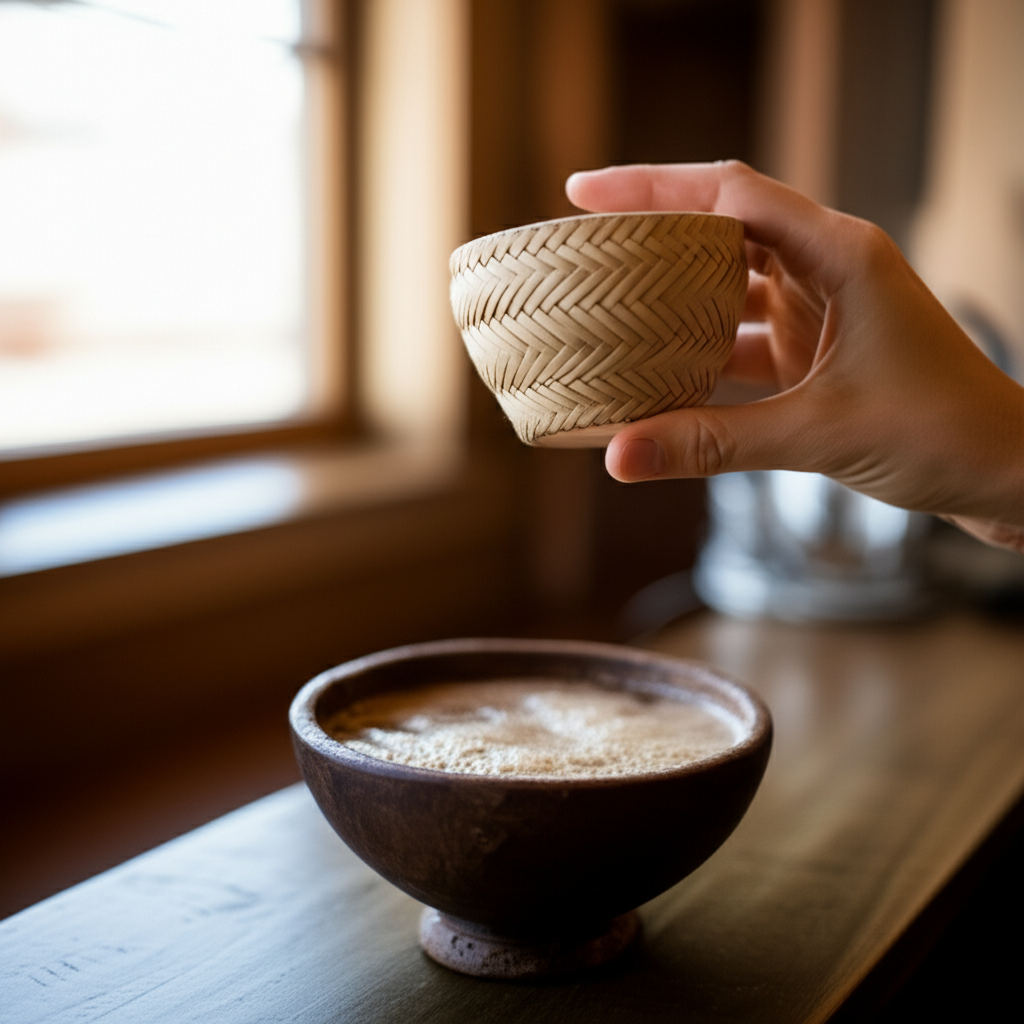
Kava bars have exploded in popularity across the globe, serving as social hubs where people can enjoy kava in a relaxed atmosphere. In 2026, many of these bars are incorporating elements of traditional ceremonies to enhance the experience. Picture a dimly lit space with woven mats, soft Pacific-inspired music, and bartenders trained in the art of preparing kava the old-school way—by hand-pounding the roots and straining the mixture.
This fusion is more than aesthetic; it's educational. Patrons are often guided through a mini-ceremony, learning about kava's origins and benefits firsthand. This approach not only deepens appreciation for the plant but also differentiates kava bars from standard cafes or bars. For example, some bars now offer "ceremony nights" where participants engage in group sharing, mirroring ancient practices, which has led to increased customer loyalty and repeat visits.
From a business perspective, this trend is boosting the kava industry. Bars that embrace these traditions report higher sales of premium kava products, as customers seek authentic experiences. This shift is also influencing product offerings, with bars stocking a variety of kava strains, from noble varieties known for their smooth effects to those with enhanced flavors for modern tastes.
The Science Behind Kava's Benefits: What Recent Studies Reveal
While kava's cultural significance is profound, it's the scientific backing that keeps the industry thriving. Recent studies, including those published in early 2026, have delved deeper into kava's active compounds, such as kavalactones, which are believed to interact with the brain's receptors to promote relaxation without the intoxicating effects of alcohol. These findings underscore kava's potential as a natural aid for unwinding after a long day, making it a go-to option in wellness routines.
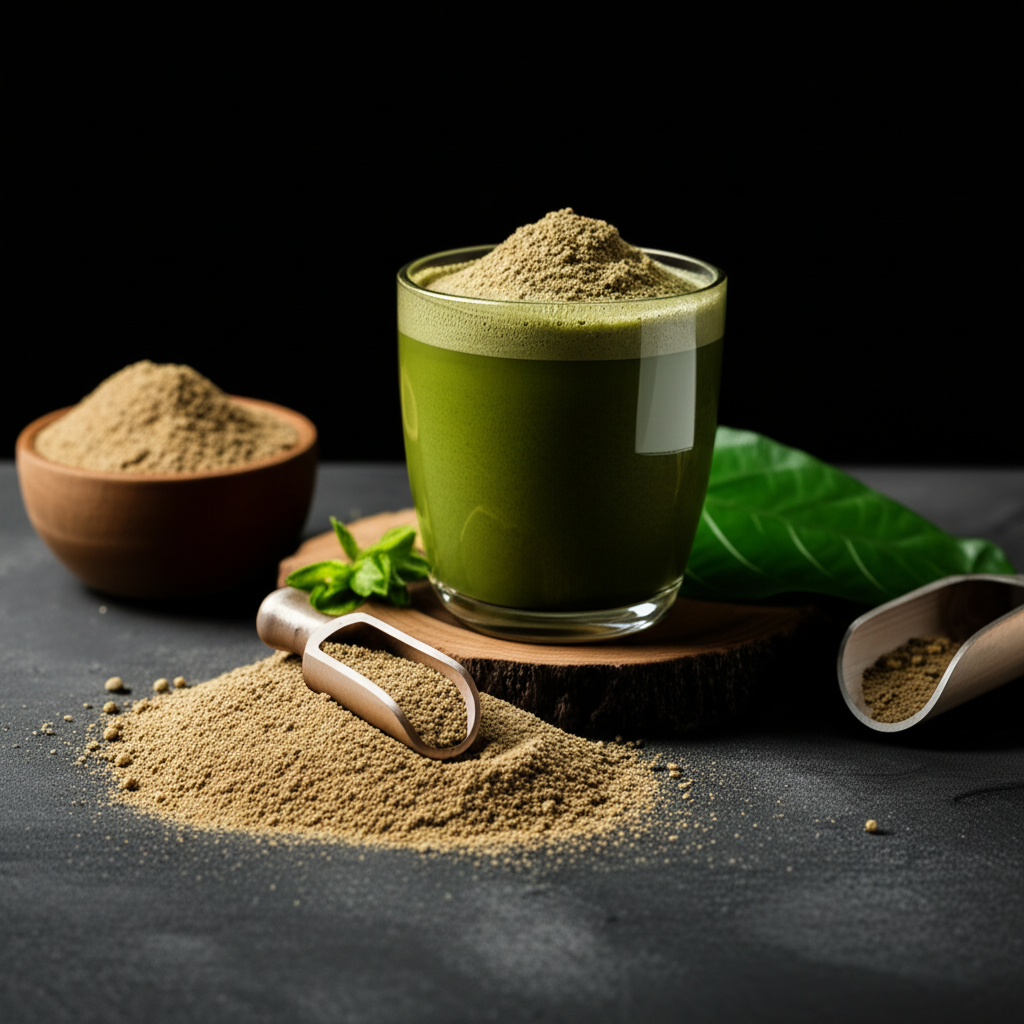
One key area of focus is kava's role in supporting mental clarity and emotional balance. Research from reputable institutions has indicated that regular, moderate consumption might help in managing everyday stress, which resonates with the fast-paced demands of modern life. This evidence is fueling demand not just for kava itself, but for related products in kava bars, such as kava-infused teas or capsules, expanding the market reach.
Moreover, these studies are prompting kava bars to position themselves as educational centers. Many now host talks or workshops led by experts, discussing the latest in kava research. This educational angle helps demystify the plant and builds trust among consumers, encouraging safer and more informed use.
The Ripple Effects on the Kratom Industry
As kava gains momentum through these ceremonial revivals and scientific validations, it's inevitably impacting the kratom industry. Kratom, derived from the Mitragyna speciosa tree, has long been a competitor in the herbal relaxation market, valued for its stimulating and sedating effects depending on dosage. However, the rise of traditional kava elements in bars is creating a nuanced dynamic.
- Competition for Market Share: With kava bars emphasizing cultural authenticity and natural benefits, some consumers are shifting preferences towards kava as a milder alternative to kratom. This is evident in sales data from 2026, showing a slight dip in kratom product demand in regions with prominent kava bars.
- Complementary Offerings: Interestingly, many kava bars are now incorporating kratom into their menus alongside kava, creating blended experiences. For instance, hybrid drinks that combine the two herbs are emerging, allowing patrons to customize their relaxation levels. This innovation is fostering collaboration rather than conflict within the industry.
- Influencing Consumer Trends: The ceremonial aspect of kava is inspiring kratom vendors to explore similar roots-based traditions from Southeast Asia, where kratom originates. This could lead to kratom-specific events in bars, potentially revitalizing interest and balancing the market.
- Regulatory and Quality Focus: As kava's benefits gain more attention, it's pushing the kratom industry to prioritize quality control and transparency. With increased scrutiny on herbal products, both sectors are adopting stricter standards to ensure safety and efficacy, benefiting consumers overall.
In essence, the kratom industry is adapting by innovating and aligning with the values that kava ceremonies promote—authenticity, community, and natural wellness. This interplay is creating a more diverse landscape for herbal enthusiasts, with kava bars at the forefront of this evolution.
Looking Ahead: The Future of Kava and Kratom
As we reflect on the current state of the kava and kratom industry in 2026, it's clear that reviving ancient kava ceremonies is more than a trend—it's a movement towards holistic wellness. By blending tradition with modernity, kava bars are not only preserving cultural heritage but also driving growth and innovation. This resurgence is encouraging a balanced approach in the kratom sector, ensuring that both plants continue to offer valuable options for relaxation and health support.
For those interested in exploring this world, visiting a kava bar that honors these traditions can be a transformative experience. Whether you're a long-time enthusiast or a curious newcomer, the benefits of kava, backed by ongoing research, make it a compelling choice in the ever-expanding herbal industry.