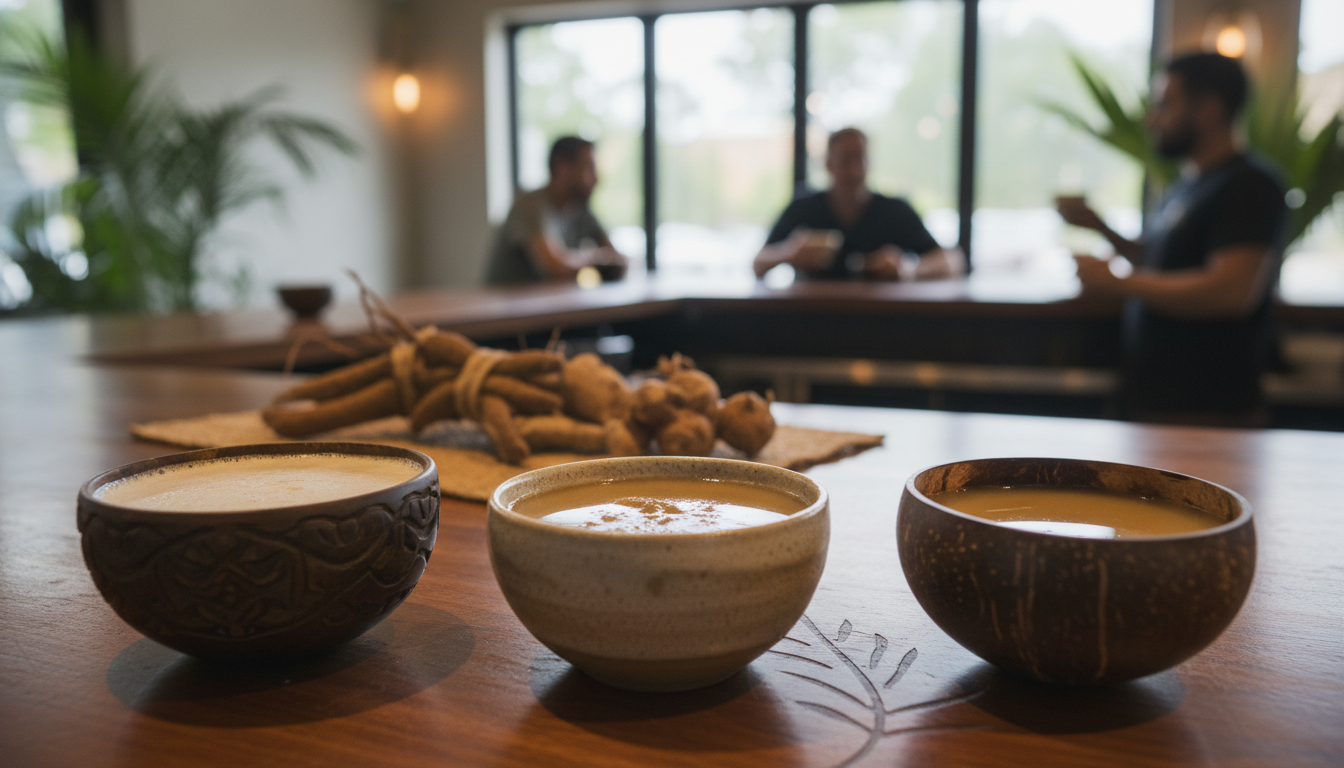
In the vibrant world of the kava and kratom industry, noble kava strains stand out as the gold standard for enthusiasts and professionals alike. These strains, derived from the Piper methysticum plant, are prized for their balanced effects and safety profile, making them a cornerstone in kava bars across the globe. As we explore this specific subset of kava strains on May 7, 2026, we'll uncover their unique therapeutic attributes and how they're shaping the modern kava bar experience. This deep dive focuses on what makes noble kava strains essential, without veering into broad roundups or generic overviews.
What Defines a Noble Kava Strain?
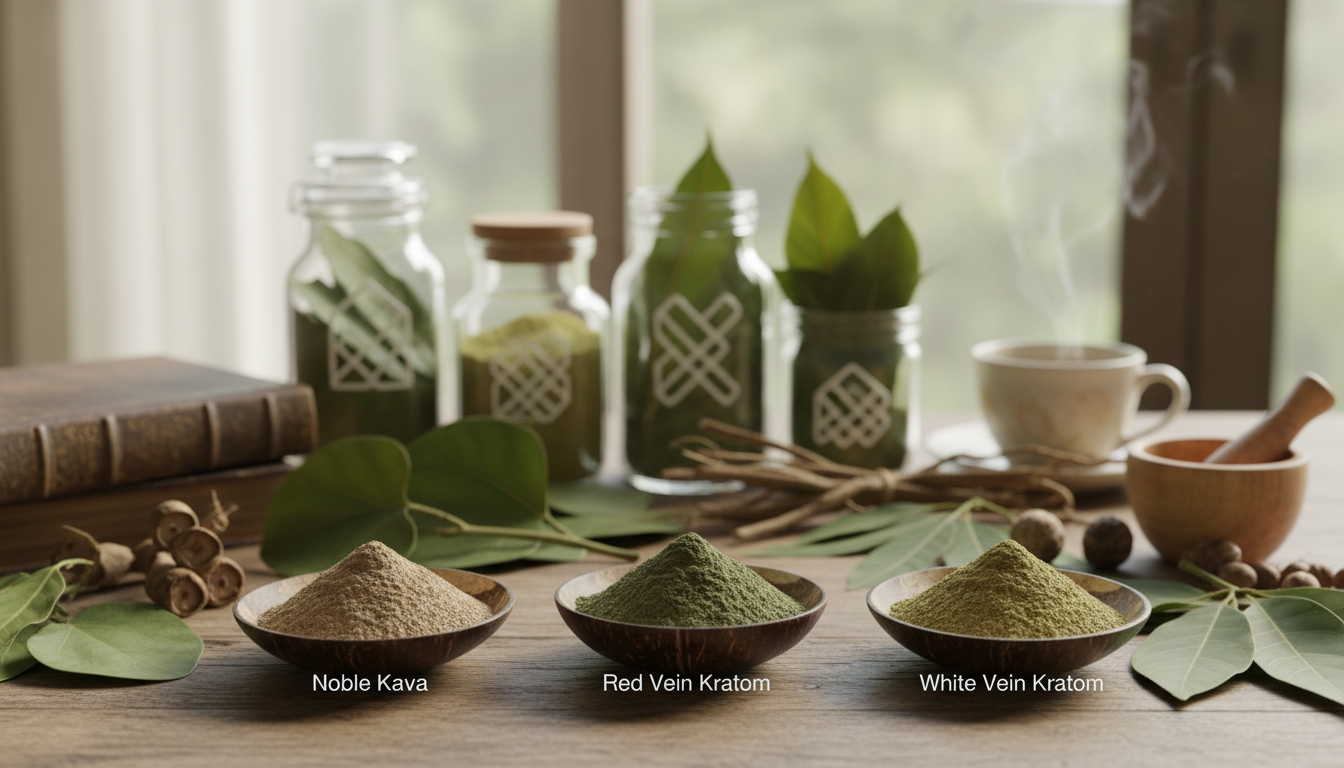
Noble kava strains are not just any variety; they are carefully selected cultivars from the South Pacific islands, known for their high levels of kavalactones - the active compounds responsible for kava's calming effects. Unlike other strains, noble varieties are distinguished by their lower concentrations of potentially harmful chemicals, making them safer for regular consumption. Popular noble strains include Borogu, Mahakea, and Namba, each offering subtle differences in flavor and potency that cater to diverse preferences in the kava industry.
For instance, the Borogu strain, originating from Vanuatu, is celebrated for its earthy taste and mild sedative effects, ideal for evening relaxation sessions at kava bars. In contrast, Mahakea from Fiji brings a smoother, more peppery profile that enhances social interactions. These distinctions aren't arbitrary; they stem from the plant's chemotype, a classification based on the predominant kavalactones present. Understanding this helps kava bar operators curate menus that align with customer needs, fostering a growing appreciation within the kratom and kava community.
The Therapeutic Benefits of Noble Kava Strains
Delving deeper, noble kava strains offer a range of therapeutic benefits that have solidified their place in the kava/kratom industry. Their primary appeal lies in promoting relaxation without the intoxicating effects associated with alcohol. Users often report reduced anxiety and improved sleep quality, attributed to kavalactones like kawain and dihydrokawain, which interact with the brain's GABA receptors.
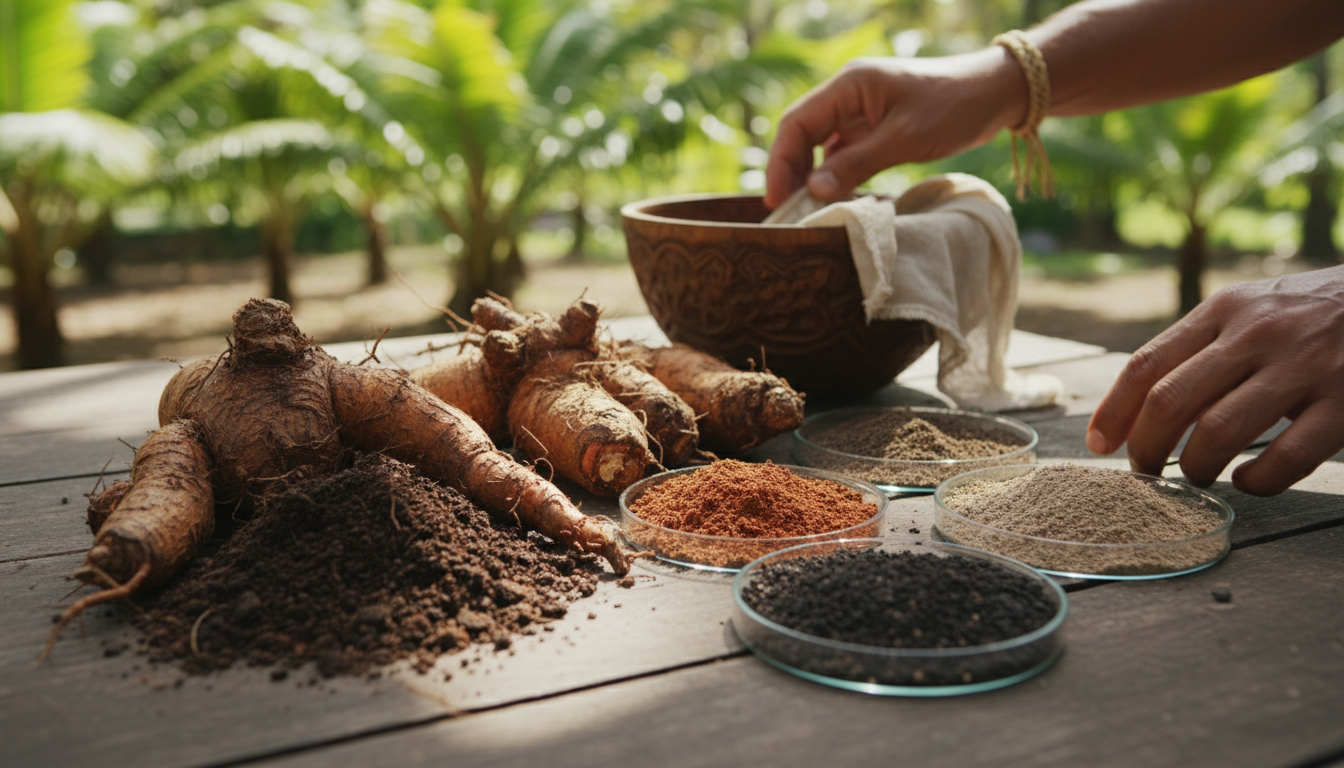
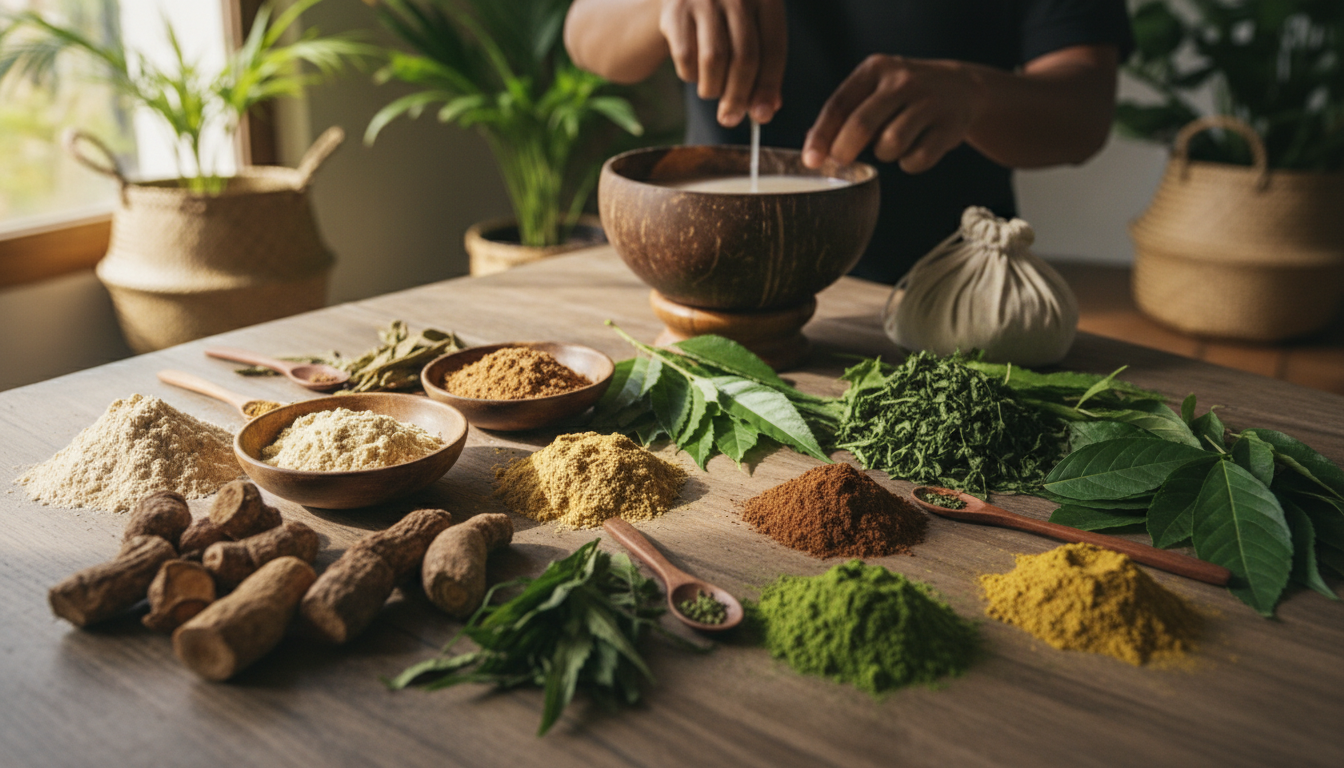
In kava bars, these strains are prepared using traditional methods such as grinding the roots and straining them into a beverage, preserving their natural efficacy. This preparation not only enhances the strain's bioavailability but also creates a ritualistic experience that draws people to these venues. For example, a noble strain like Namba might be featured in a kava bar's signature drink, helping patrons unwind after a long day while supporting the bar's role as a community hub in the kava culture.
Moreover, noble kava's anti-inflammatory properties have gained attention in wellness discussions within the industry. Regular consumers note relief from muscle tension, which is particularly beneficial for those in high-stress environments. As the kava/kratom industry evolves, research continues to highlight how these strains compare favorably to kratom strains in terms of safety, with noble kava offering a gentler alternative for mood enhancement.
Noble Kava Strains in the Kava Bar Scene
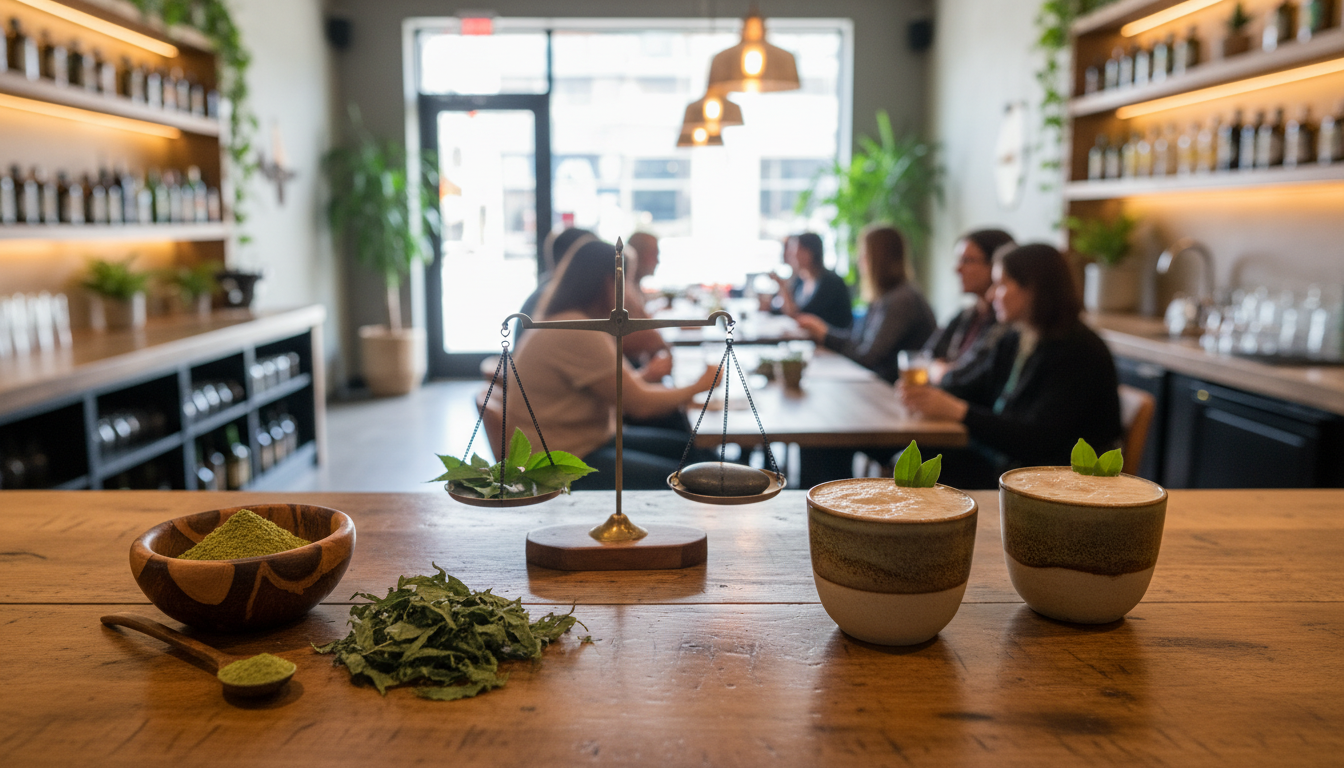
Kava bars have become epicenters for experiencing noble kava strains, blending tradition with contemporary trends in the kava/kratom industry. These establishments often source their kava directly from Pacific growers, ensuring authenticity and supporting sustainable practices. The rise of noble strains in bars can be attributed to their consistent quality, which appeals to both novices and seasoned users.
- Enhanced Social Atmosphere: Noble strains like Mahakea foster open conversations and relaxation, making kava bars popular spots for networking within the kava community.
- Customization Options: Bars frequently mix noble strains with others or kratom varieties, creating hybrid drinks that cater to individual tastes and effects preferences.
- Economic Impact: The demand for noble kava has boosted the kava industry, with bars reporting increased patronage and revenue streams tied to these premium strains.
- Education and Awareness: Many kava bars host events to educate patrons about noble strains, helping to demystify their benefits and encourage responsible consumption.
This integration of noble kava into kava bars not only elevates the user experience but also contributes to the broader kratom and kava market. As of 2026, industry reports indicate a steady growth in noble strain imports, driven by consumer demand for high-quality, reliable products.
Comparing Noble Kava to Kratom Strains
While noble kava strains hold a special place, it's worth comparing them to popular kratom strains to understand their unique roles in the kava/kratom industry. Kratom, derived from Mitragyna speciosa, offers strains like Maeng Da and Bali, which are known for their stimulating or sedative effects depending on the vein color. In contrast, noble kava provides a more subdued, anxiolytic experience without the potential for dependency issues associated with some kratom varieties.
For kava bar enthusiasts, this means noble strains are often preferred for their predictability. A noble kava session might involve sipping a Borogu-infused drink to achieve calm focus, whereas kratom strains could be reserved for more energizing needs. This comparison underscores the complementary nature of kava and kratom in the industry, with noble varieties leading in safety-conscious environments.
The Future of Noble Kava Strains in the Industry
Looking ahead, the future of noble kava strains in the kava/kratom industry appears promising. Innovations in cultivation and processing are enhancing their availability, with more kava bars incorporating these strains into educational programs and product lines. As regulatory frameworks evolve, noble kava's reputation for safety could position it as a key player in expanding the industry's reach.
In kava bars, we're seeing a trend toward strain-specific events, where patrons can sample different noble varieties and learn about their origins. This not only enriches the cultural aspect but also supports ethical sourcing, ensuring that the kava/kratom industry remains sustainable. By focusing on these strains, the industry can continue to thrive, offering authentic experiences that resonate with a growing audience.
In conclusion, noble kava strains represent a refined segment of the kava world, with their therapeutic profiles and prominence in kava bars driving innovation and community engagement. As the kava/kratom industry progresses, these strains will undoubtedly remain at the forefront, providing a foundation for safe, enjoyable experiences.