Introduction to Kava Preparation Longevity
The enjoyment of noble kava extends beyond the initial preparation; it encompasses the careful storage of any prepared beverage and the diligent cleaning of all equipment used in the process. These practices are crucial for maintaining the quality and integrity of your kava experience, ensuring that each shell is as fresh and potent as intended. Whether you prepare kava regularly or occasionally, understanding these fundamentals will enhance your ritual.
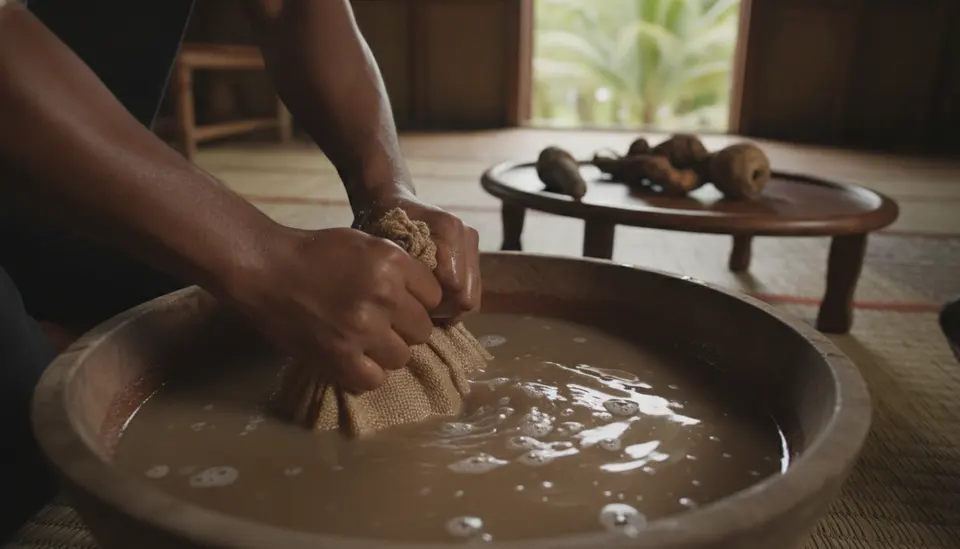
Noble kava, sourced from regions like Hawaii, Fiji, Vanuatu, and the Solomon Islands, is a product of tradition and careful cultivation. Its preparation, whether through traditional hand-kneading or modern blending methods, aims to extract the desirable compounds from the root. Once prepared, however, its stability changes, necessitating specific storage considerations. Similarly, the tools used in preparation, from strainer bags to mixing bowls, require proper care to prevent residue buildup and maintain hygienic standards.
Storing Prepared Kava: Maximizing Freshness
One common question among kava enthusiasts is how long prepared kava remains viable. Unlike dry kava powder or root, which can last for one to two years when stored correctly, prepared kava has a significantly shorter shelf life. Once brewed, kava is a perishable beverage, and its quality, flavor, and safety can diminish rapidly.
Refrigeration is Key
The consensus among kava experts is that prepared kava should be stored in the refrigerator. This cool environment helps to slow down the processes that lead to spoilage and changes in flavor. However, even with refrigeration, the window for optimal consumption is relatively brief.
- Short-Term Storage: Prepared kava is generally safe to keep in the refrigerator for one to two days. Some sources suggest it can be stored for up to two to three days. Beyond this period, the kava may begin to spoil or its flavor profile might noticeably change, becoming less desirable.
- Airtight Containers: To further preserve freshness and prevent the absorption of other odors from the refrigerator, it is advisable to store prepared kava in an airtight container. This minimizes exposure to air and potential contaminants.
- Batch Preparation: For those who consume kava regularly, preparing larger batches can be a time-saving strategy. However, it is important to adhere to the recommended refrigeration guidelines to ensure the quality of the entire batch. Planning your consumption within the two-to-three-day window is essential.
It is important to note that these guidelines are for maintaining the quality and safety of the prepared beverage. There are no methods for indefinitely preserving prepared kava without significant degradation of its characteristics. Therefore, fresh preparation or consumption within a few days of preparation is always recommended for the best experience.
Cleaning Kava Preparation Equipment: Essential Hygiene
Proper cleaning of kava preparation equipment is not just about aesthetics; it is fundamental to hygiene and ensures that each kava session is free from unwanted residues or flavors. Kava residue, particularly when dry, can become quite sticky and challenging to remove, making immediate cleaning a highly recommended practice.
Immediate Action for Easier Cleaning
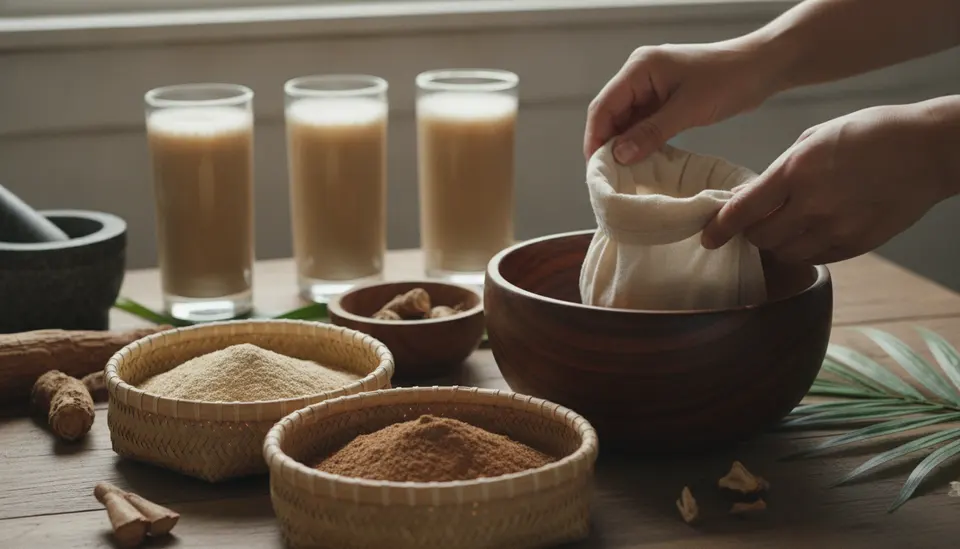
The most effective strategy for cleaning kava equipment is to do so immediately after use. This prevents the kava residue from drying and hardening, which can turn a simple rinse into a laborious scrubbing task. Whether you use a traditional strainer bag, a nut milk bag, cheesecloth, a clean cotton cloth, or a blender, prompt cleaning is key.
Cleaning Specific Equipment
- Strainer Bags and Cloths: These are perhaps the most critical items to clean thoroughly. After use, rinse them under running water to remove as much kava particulate as possible. Then, wash them with soap and water, ensuring all residue is gone. A good rinse afterward is necessary to remove any soap traces. Allowing them to air dry completely before storing prevents mildew and odors. A 75-100 micron strainer bag is ideal for kava preparation, and its fine mesh requires careful cleaning.
- Mixing Bowls and Kava Bowls: These should be rinsed immediately and then washed with warm, soapy water. Pay attention to any areas where kava might have dried onto the surface.
- Blenders: If you use a blender for preparation, clean it immediately after use. Kava residue can become particularly stubborn when dry inside a blender jar. A quick rinse and then a wash with soap and water, or even running the blender with warm, soapy water, can effectively remove residue. Ensure all components, including the blades and lid, are thoroughly cleaned.
- Instant and Micronized Kava Tools: For those who opt for instant or micronized kava, the preparation process is simpler, often involving just mixing the powder directly into water. While this eliminates the need for straining equipment, any cups or stirring utensils used should still be cleaned promptly to prevent residue buildup.
Maintaining Your Kava Ritual
Adhering to these storage and cleaning practices contributes significantly to a consistently positive kava experience. By properly storing prepared kava, you ensure that its flavor and characteristics remain intact for subsequent servings. By meticulously cleaning your equipment, you uphold hygienic standards and prevent the accumulation of residues that could affect future preparations or harbor unwanted elements.
These practices are not merely practical steps; they are an extension of the respect for the kava plant and the traditions surrounding its use. Just as noble kava is carefully cultivated and prepared, its post-preparation care deserves equal attention. Embracing these habits ensures that your kava ritual remains pure, enjoyable, and true to its origins.
For those seeking to explore different preparation methods or source high-quality noble kava, resources like Kava Krave offer certified noble kava that undergoes third-party lab testing. Understanding the full cycle of kava from sourcing to preparation, consumption, and cleanup, enriches the overall appreciation for this revered Pacific tradition.
Sources & further reading
- Does Kava Expire? Storage, Freshness & Shelf Life Guide - Mitra9mitra-9.com
- How to Make Kava: Traditional Preparation Guide | Kava Kravekavakrave.com
- Kava Root Powder Preparation: Traditional vs Modern Methods | Sponsored | redandblack.comredandblack.com
- How to Make Kava Tea: Traditional and Easy Methods Explainedkatsbotanicals.com
- Learn How to Prepare Kava for a Relaxing, Delicious Beveragekava.com
- How to Prepare Kava Powder | The Best Kava Preparation Methodsmitraman.com