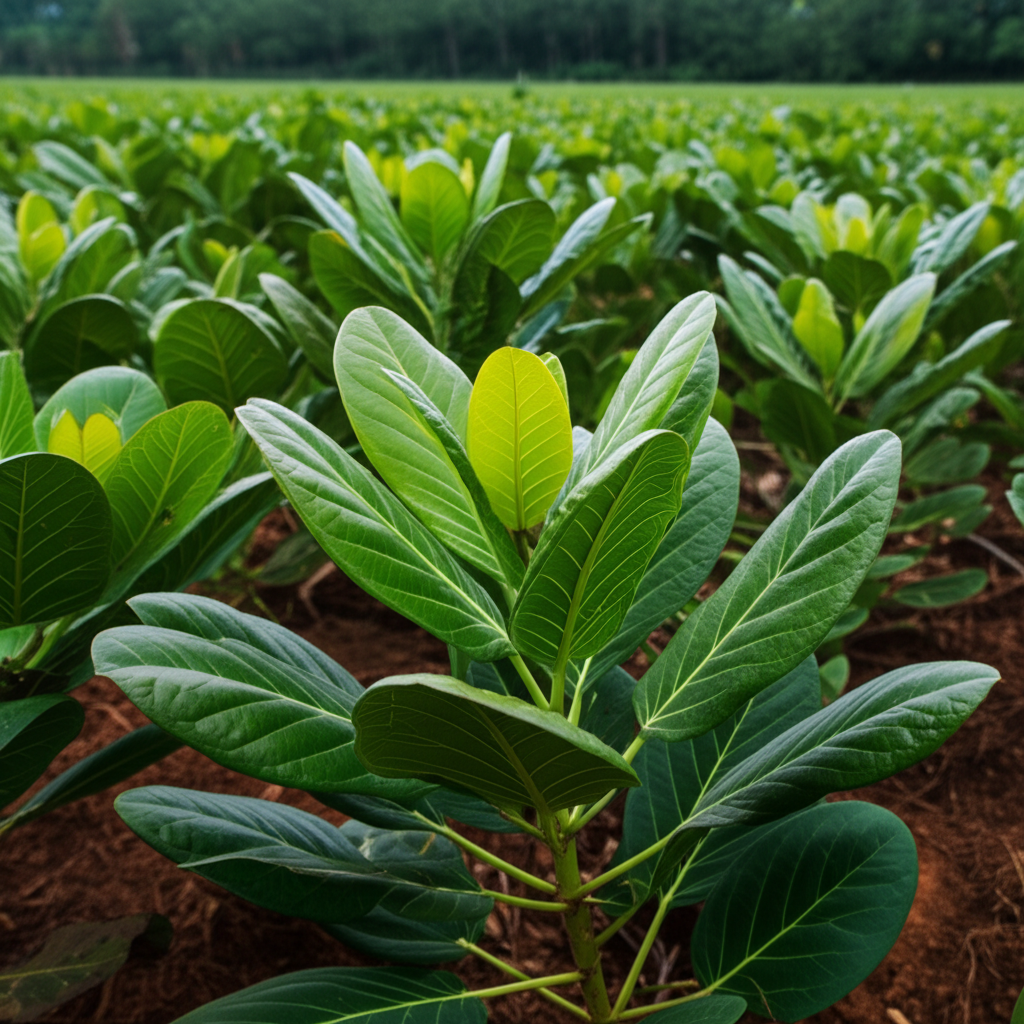
As we step into 2026, the world of herbal wellness is witnessing a transformative shift towards sustainability, with kava leading the charge in eco-conscious practices. This article delves into how innovative farming techniques and environmental awareness are reshaping the kava industry, making it a beacon for sustainable living while exploring its benefits and the broader implications for related sectors like kratom.
The Rise of Sustainable Kava Farming
Sustainable farming has become a cornerstone of the kava industry in 2026, driven by growing consumer demand for environmentally friendly products. Farmers in the Pacific Islands, where kava originates, are adopting organic methods that minimize chemical use and promote soil health. These practices not only preserve the delicate ecosystems but also ensure the longevity of kava as a crop.
One key innovation is the integration of agroforestry, where kava plants are grown alongside native trees to create a balanced ecosystem. This approach helps in carbon sequestration and biodiversity conservation, addressing climate change head-on. According to recent reports, regions like Vanuatu and Fiji have seen a 30% increase in sustainable kava yields over the past year, thanks to these eco-friendly techniques.
Moreover, certifications such as Fair Trade and Organic have become standard, assuring consumers that their kava is sourced responsibly. This shift is not just about environmental protection; it's also about supporting local communities, providing fair wages, and fostering economic stability in kava-producing areas.
Emerging Research on Kava's Health Benefits
New studies in 2026 are shedding light on the health benefits of kava, particularly its role in stress reduction and mental well-being. A groundbreaking study published by the University of Hawaii earlier this year examined how kava's active compounds, known as kavalactones, interact with the brain to promote relaxation without the side effects associated with traditional sedatives.
The research highlights kava's potential in managing anxiety and improving sleep quality, with participants reporting significant improvements after consistent use. This is particularly relevant in our fast-paced digital world, where stress-related disorders are on the rise. Unlike previous years, these studies emphasize the importance of sustainable sourcing, linking the purity of kava to its efficacy.
- Kava's anti-inflammatory properties could aid in reducing chronic pain.
- Emerging evidence suggests benefits for cognitive function, potentially enhancing focus and productivity.
- Studies are also exploring its role in gut health, indicating positive effects on the microbiome.
Experts caution that while kava offers promising benefits, it should be consumed mindfully, especially when combined with other herbs or medications. The FDA's ongoing monitoring ensures that products meet safety standards, further bolstering consumer confidence.
The Evolving Kratom Industry and Its Intersections
Parallel to kava's green revolution, the kratom industry is undergoing its own evolution, with a focus on ethical sourcing and quality control. Kratom, derived from the Mitragyna speciosa tree, has gained popularity for its potential pain-relieving and energy-boosting effects, but 2026 marks a turning point towards sustainability.
Farmers in Southeast Asia are implementing regenerative agriculture practices to combat deforestation and soil degradation. This includes rotating crops and using natural pest control methods, which not only preserve the environment but also enhance the potency of kratom leaves. Industry reports indicate a 25% growth in sustainably farmed kratom, driven by consumer preferences for eco-friendly products.
The intersection between kava and kratom is evident in how both industries are learning from each other. For instance, kava farmers are adopting kratom's leaf-drying techniques to reduce waste, while kratom producers are incorporating kava's community-focused models to build stronger local economies. This synergy is fostering a more holistic approach to herbal wellness.
- Key challenges include regulatory hurdles, with some regions imposing strict guidelines to prevent overharvesting.
- Opportunities for cross-industry collaborations could lead to innovative blends that combine the best of both worlds.
- Consumer education campaigns are crucial to differentiate between sustainable and non-sustainable products.
New Kava Bar Openings: A Spotlight on Innovation
2026 has seen a wave of new kava bar openings that prioritize sustainability, transforming these spaces into hubs for eco-conscious socializing. In cities like Los Angeles and New York, establishments such as 'Green Wave Kava Lounge' are setting trends by using only sustainably sourced kava and implementing zero-waste policies.
These bars offer more than just drinks; they host workshops on sustainable living and partner with local farms to source ingredients. For example, a recent opening in Portland features a rooftop garden where customers can learn about kava cultivation firsthand. This hands-on approach not only educates patrons but also builds a community around environmental stewardship.
The design of these bars incorporates energy-efficient features, like solar-powered lighting and recyclable materials, making them models for green businesses. With the global kava bar market expanding by 40% this year, these openings are indicative of a broader trend towards integrating wellness with planetary health.
Challenges and Future Outlook
Despite the positive momentum, the kava and kratom industries face challenges such as climate change impacts and varying global regulations. Rising sea levels threaten kava farms in low-lying Pacific Islands, necessitating adaptive strategies like flood-resistant varieties.
Looking ahead, the future is bright with potential for further innovation. Governments and organizations are investing in research to develop drought-resistant strains and promote fair trade practices. As consumers continue to demand transparency, the industries are poised for even greater growth, potentially influencing other sectors like tea and coffee.
In conclusion, the green revolution in kava and related fields is more than a trend; it's a necessary evolution for a sustainable future. By embracing eco-friendly practices, we're not only enhancing the benefits of these herbs but also protecting our planet for generations to come.