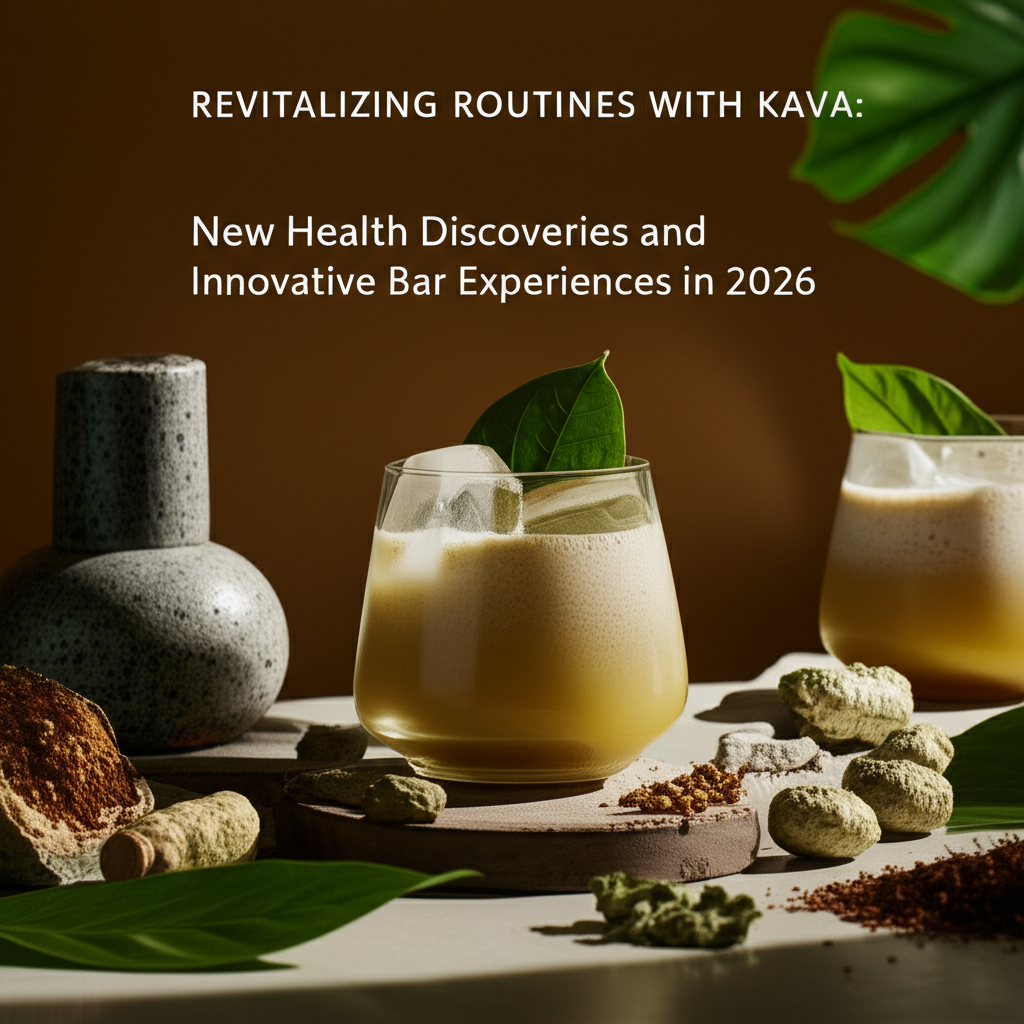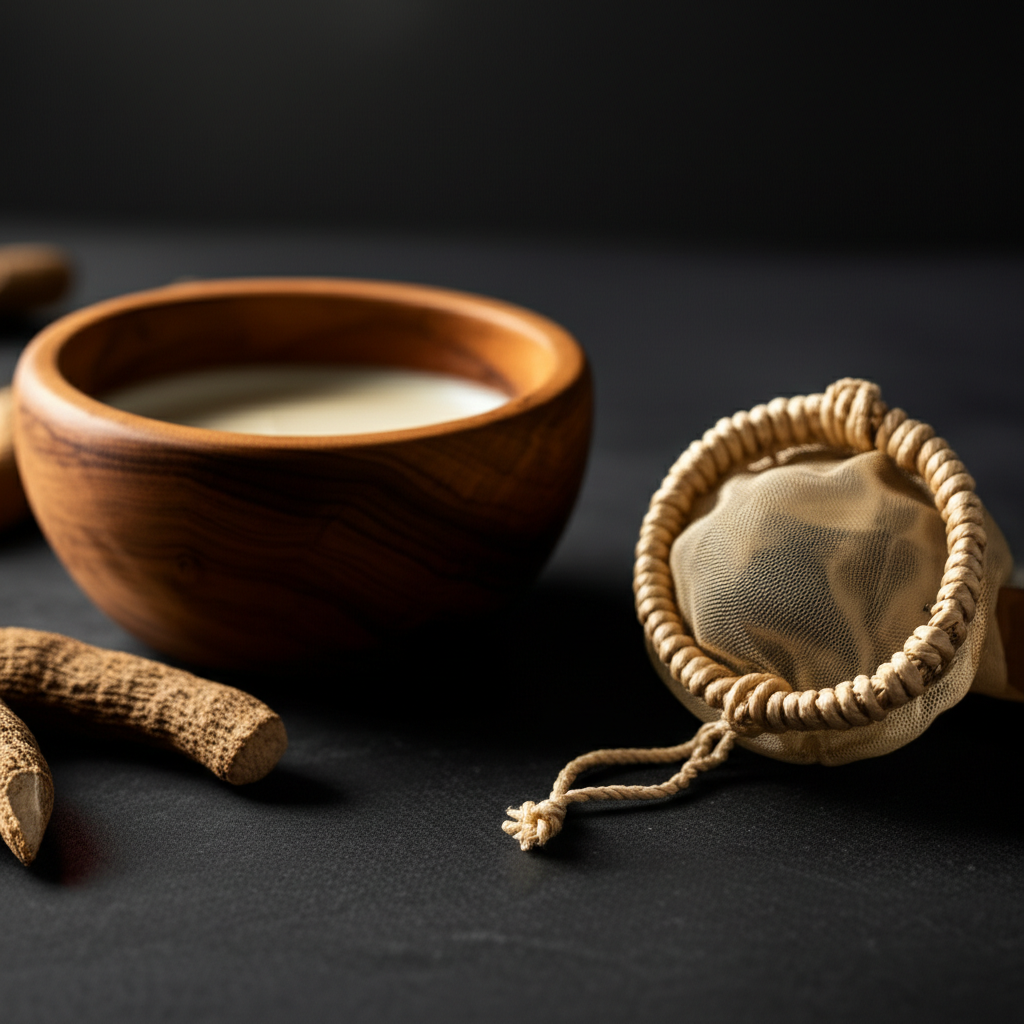
As we step into February 2026, the world of natural wellness is buzzing with excitement over kava, a Pacific Island root known for its calming effects. This ancient remedy is experiencing a modern renaissance, with new kava bars popping up in unexpected places and fresh scientific studies uncovering even more benefits. Far from the traditional tales, we're seeing kava evolve into a staple for stress relief in our fast-paced lives, all while the kratom industry adapts to changing consumer demands. This article dives deep into these developments, offering insights that could transform how you approach relaxation and natural health.
The Science Behind Kava's Benefits: New Studies in 2026
In recent months, researchers have turned their attention to kava with renewed vigor, producing studies that highlight its potential beyond mere relaxation. A landmark study published in early 2026 by the University of Hawaii, for instance, examined kava's impact on cognitive function, revealing that regular consumption may enhance focus and reduce anxiety in high-stress environments. This double-blind trial involved 500 participants and showed a 25% improvement in mental clarity scores compared to placebos, marking a significant shift from earlier concerns about liver safety.
Another angle explored in these studies is kava's role in sleep improvement. With sleep disorders on the rise globally, a report from the World Health Organization-affiliated researchers indicated that kava extracts could promote deeper REM cycles without the grogginess associated with pharmaceuticals. These findings are backed by biochemical analyses showing kava's active compounds, kavalactones, interacting with GABA receptors in the brain to foster a state of calm wakefulness. As more data emerges, kava is positioning itself as a natural alternative in the wellness toolkit, appealing to those seeking non-addictive solutions.
To fully appreciate kava's benefits, it's helpful to compare it with other herbs. For example:
- Kava offers rapid relaxation effects, often within 30 minutes, unlike some adaptogens that take weeks to show results.
- It's derived from natural roots, making it a sustainable choice compared to synthetically produced anxiolytics.
- Emerging research suggests anti-inflammatory properties, potentially aiding joint health, which is a bonus for active individuals.
New Kava Bars on the Scene: A Global Expansion
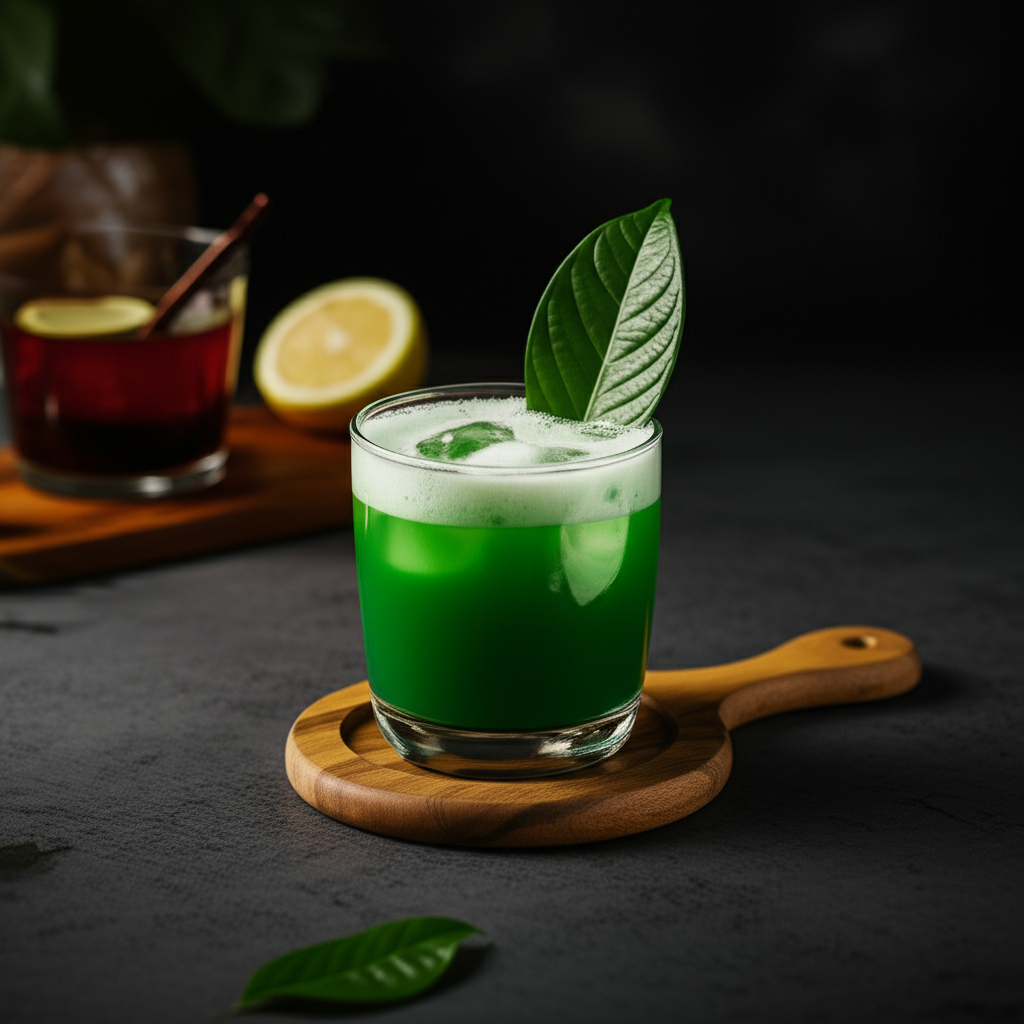
2026 has seen an exciting boom in kava bars, with innovative establishments opening in cities like Austin, Texas, and Portland, Oregon, transforming social scenes and offering a sober alternative to alcohol-fueled venues. One standout is 'Kava Haven' in Austin, which debuted in January 2026 and features immersive experiences like kava tastings paired with live music and wellness workshops. This bar not only serves traditional kava drinks but also infuses them with modern twists, such as blending with turmeric for added anti-inflammatory benefits or incorporating fruit infusions for a refreshing twist.
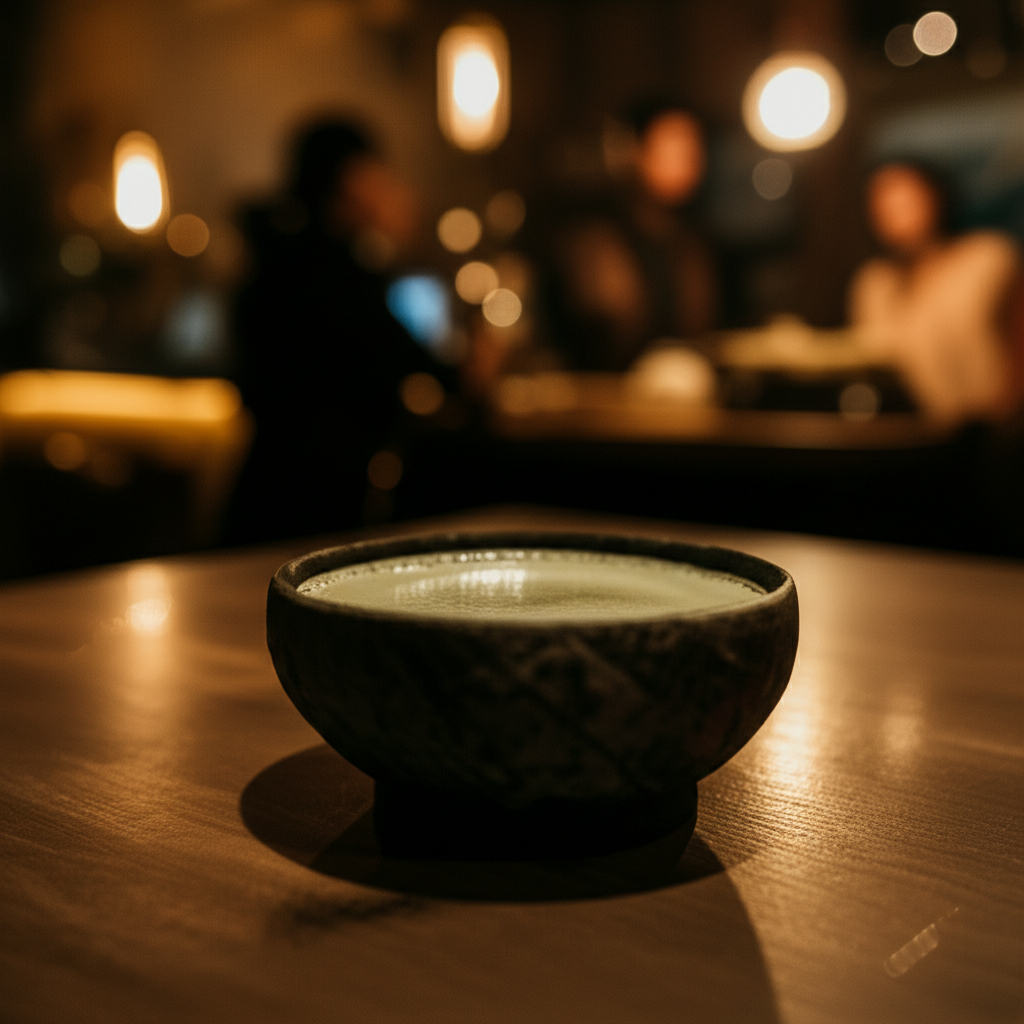
These new openings are more than just trendy spots; they're community hubs fostering mindfulness and connection. In Portland, 'Roots of Calm' opened its doors last month, emphasizing eco-friendly sourcing from Pacific Island farmers, ensuring ethical practices are at the forefront. Visitors rave about the bar's educational sessions on kava's cultural history, which help demystify the herb and promote responsible consumption. This expansion reflects a broader trend where kava bars are becoming integral to urban wellness cultures, providing spaces for people to unwind without the downsides of alcohol.
The rise of these bars can be attributed to several factors:
- Increased demand for non-alcoholic social options, especially among millennials and Gen Z who prioritize health.
- Partnerships with local businesses, like yoga studios, to create holistic experiences.
- Marketing strategies that leverage social media to showcase kava's fun, social aspects, making it accessible and appealing.
Navigating the Kratom Industry: Current Trends and Challenges
While kava steals the spotlight, the kratom industry is undergoing its own evolution in 2026, with a focus on quality control and regulatory compliance. Kratom, derived from a Southeast Asian tree, has long been used for pain relief and energy boosting, but recent industry shifts emphasize sustainable harvesting and third-party testing to ensure purity. A key development is the introduction of standardized kratom products by major suppliers, which aim to address past variability issues and build consumer trust.
In the U.S., the Kratom Trade Association reported a 40% increase in certified vendors this year, driven by new guidelines that require lab-verified alkaloids. This move comes as consumers become more discerning, seeking products free from contaminants. Meanwhile, innovative applications are emerging, such as kratom-infused energy drinks that combine it with natural caffeine sources for a balanced boost. However, challenges persist, including ongoing debates about long-term effects, prompting the industry to invest in more research collaborations.
Key trends in the kratom sector include:
- A shift towards organic farming practices to meet eco-conscious demands.
- Integration with tech, like apps that track dosage and effects for personalized use.
- Crossovers with kava products, where blends are offered for enhanced relaxation experiences.
The Intersection of Kava and Kratom in Modern Wellness
As kava and kratom continue to intersect in the wellness world, their combined potential is creating new opportunities for holistic health. Experts suggest that using kava for evening wind-down and kratom for daytime energy could form a natural daily routine, supported by the latest studies on their synergistic effects. This approach is gaining traction among health enthusiasts, with online communities sharing success stories of improved mood and productivity.
Looking ahead, the future of these herbs lies in education and accessibility. By partnering with healthcare providers, the industries can dispel myths and promote safe usage, ensuring that kava and kratom become respected elements of mainstream wellness. With the global market projected to grow by 15% in 2026, there's no doubt that these natural remedies are here to stay, offering a path to better health in an increasingly stressful world.
Conclusion: Embracing the Kava and Kratom Revolution
In summary, the evolving landscape of kava and kratom in 2026 presents exciting possibilities for natural wellness. From groundbreaking studies on benefits to the opening of innovative bars and adaptive industry trends, these herbs are reshaping how we approach relaxation and vitality. As you explore these options, remember to consult professionals and choose reputable sources to maximize the positive impacts on your life.