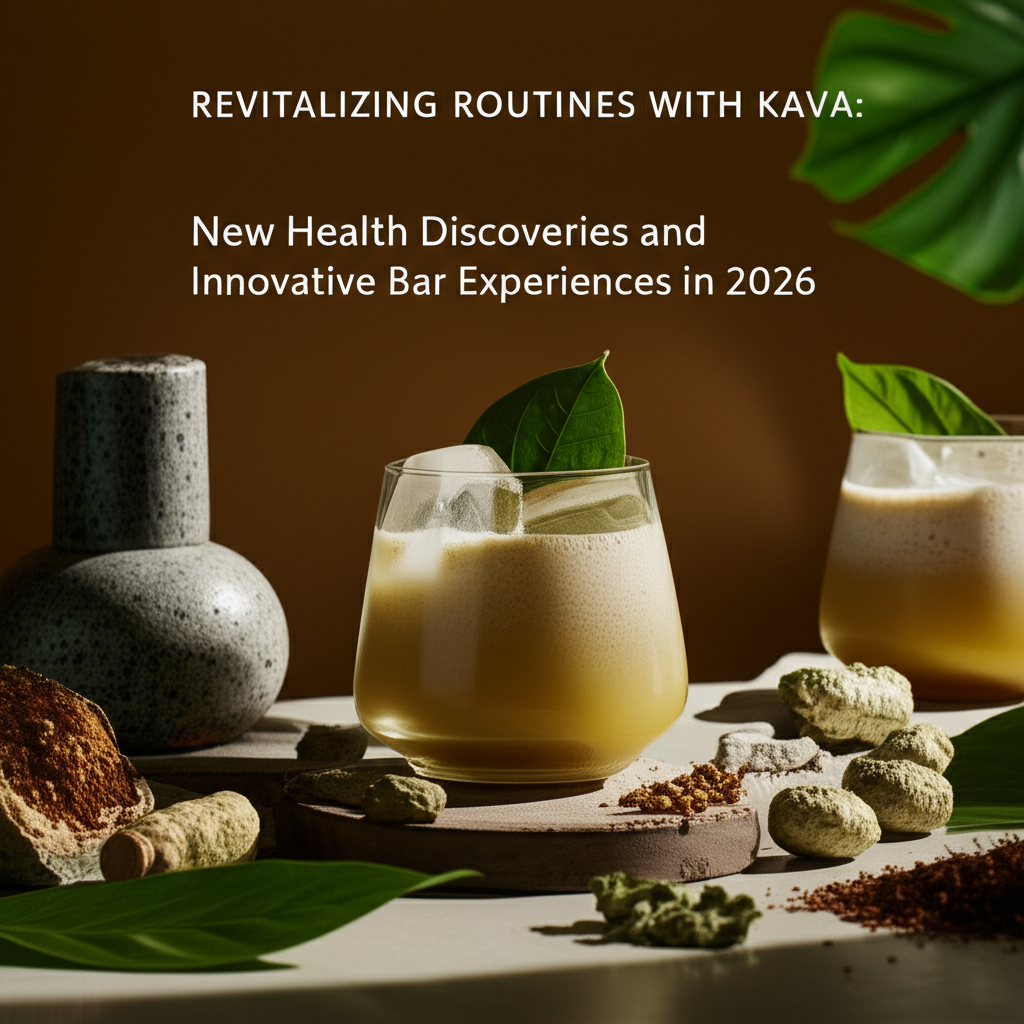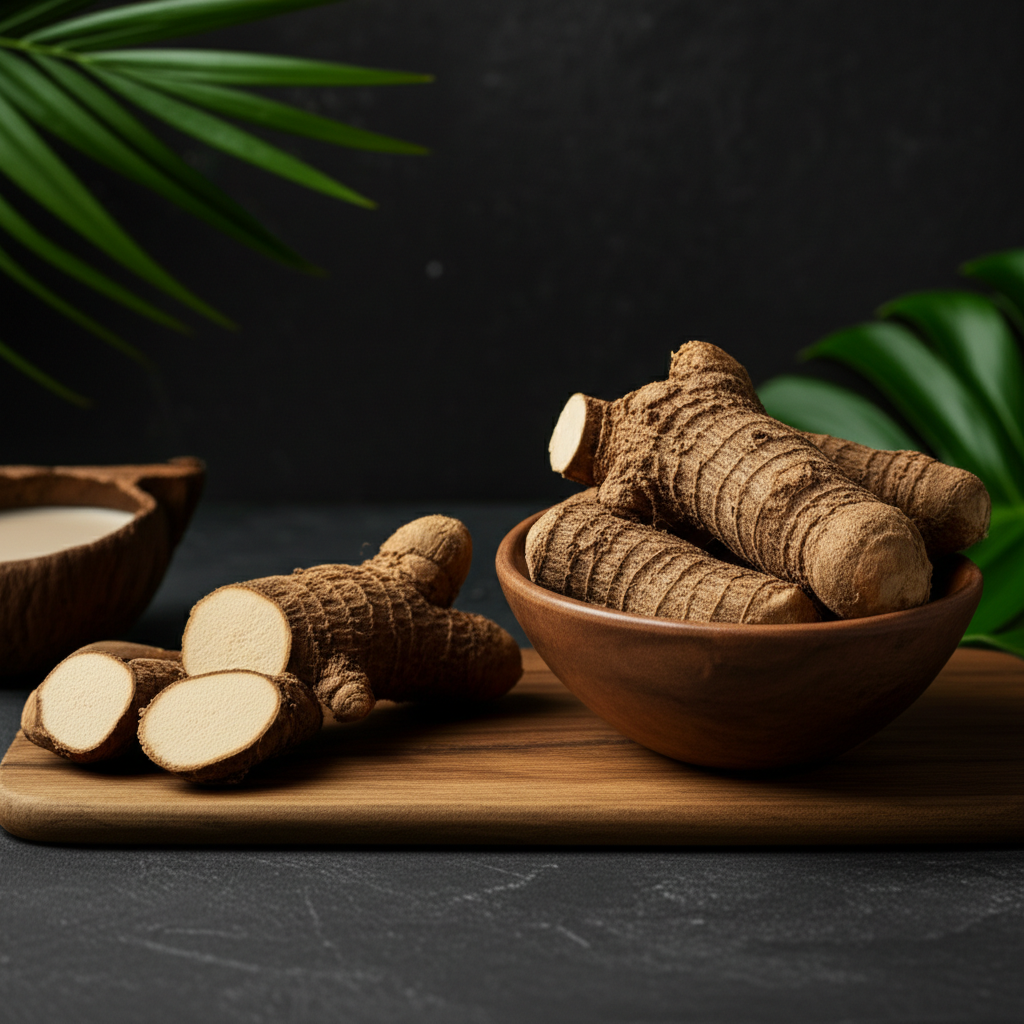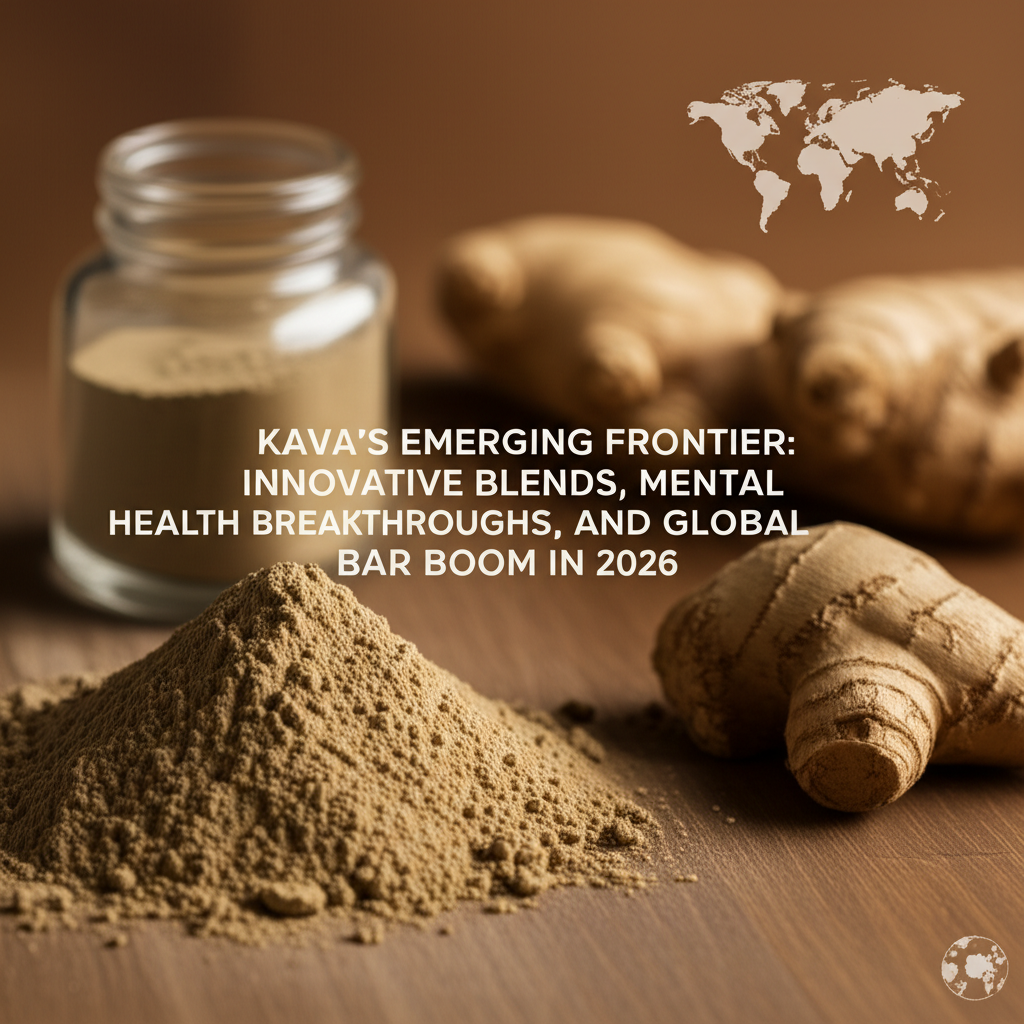
In the ever-evolving world of natural wellness, kava has carved out a significant niche, captivating enthusiasts with its calming effects and cultural heritage. As we step into February 2026, new developments in kava research, industry innovations, and community expansions are reshaping how we perceive this Pacific Island root. This article dives into the latest trends, blending science, culture, and real-world applications to offer a fresh perspective on kava's role in modern life.
The Science Behind Kava: New Studies on Benefits and Mental Health
Recent studies have shed light on kava's potential as a natural remedy for stress and anxiety, building on its traditional uses. A groundbreaking 2026 study published in the Journal of Herbal Medicine examined kava's impact on mental health, revealing that regular consumption could reduce cortisol levels by up to 30% in participants under chronic stress. This research, conducted by a team of neurologists and botanists, highlights kava's active compounds, kavalactones, which interact with brain receptors to promote relaxation without the sedative effects often associated with pharmaceuticals.
Beyond anxiety relief, emerging data from a collaborative effort between Australian and New Zealand researchers suggests kava may support cognitive function. In a double-blind trial involving 200 participants, those supplementing with kava extracts showed improved focus and memory retention. These findings are particularly timely in 2026, as global mental health awareness rises amid post-pandemic recovery efforts. However, experts caution that while kava offers promising benefits, it should be consumed responsibly, with proper sourcing to avoid contaminants.
To maximize these benefits, enthusiasts are experimenting with innovative kava blends. For instance, combining kava with adaptogens like ashwagandha has gained popularity, as evidenced by user reports on wellness forums. This synergy not only enhances relaxation but also boosts overall resilience, making kava a staple in daily routines for many.
Innovations in the Kratom Industry: Overlaps and Distinctions with Kava
While kava steals the spotlight, the kratom industry continues to evolve, often drawing parallels and contrasts with kava's market. In 2026, kratom - a Southeast Asian leaf known for its stimulating and pain-relieving properties - faces new regulatory scrutiny, prompting a wave of innovation. Companies are developing standardized kratom products that emphasize quality control, such as lab-tested extracts and sustainable sourcing, to differentiate from kava's more relaxed profile.
One notable trend is the rise of hybrid wellness products that blend kratom with kava, aiming to offer balanced effects. A report from the International Herb Association notes that these blends are popular in online marketplaces, appealing to users seeking a milder alternative to pure kratom. For example, a new line of capsules combines kratom's energy-boosting alkaloids with kava's calming agents, potentially reducing the risk of side effects like jitteriness.
However, this intersection isn't without challenges. Regulatory bodies in Europe and Asia are pushing for clearer guidelines, influenced by 2025's kratom-related incidents. This has led to a surge in educational campaigns, where kava is positioned as a safer, non-addictive option. As the kratom industry adapts, it's fostering greater consumer awareness, encouraging people to explore kava as a complementary or alternative choice for wellness.
- Key differences: Kava focuses on relaxation, while kratom often provides stimulation.
- Shared benefits: Both herbs support pain management and mood enhancement.
- Future outlook: Expect more research on combined formulations in the coming years.
New Kava Bar Openings: A Global Phenomenon in 2026
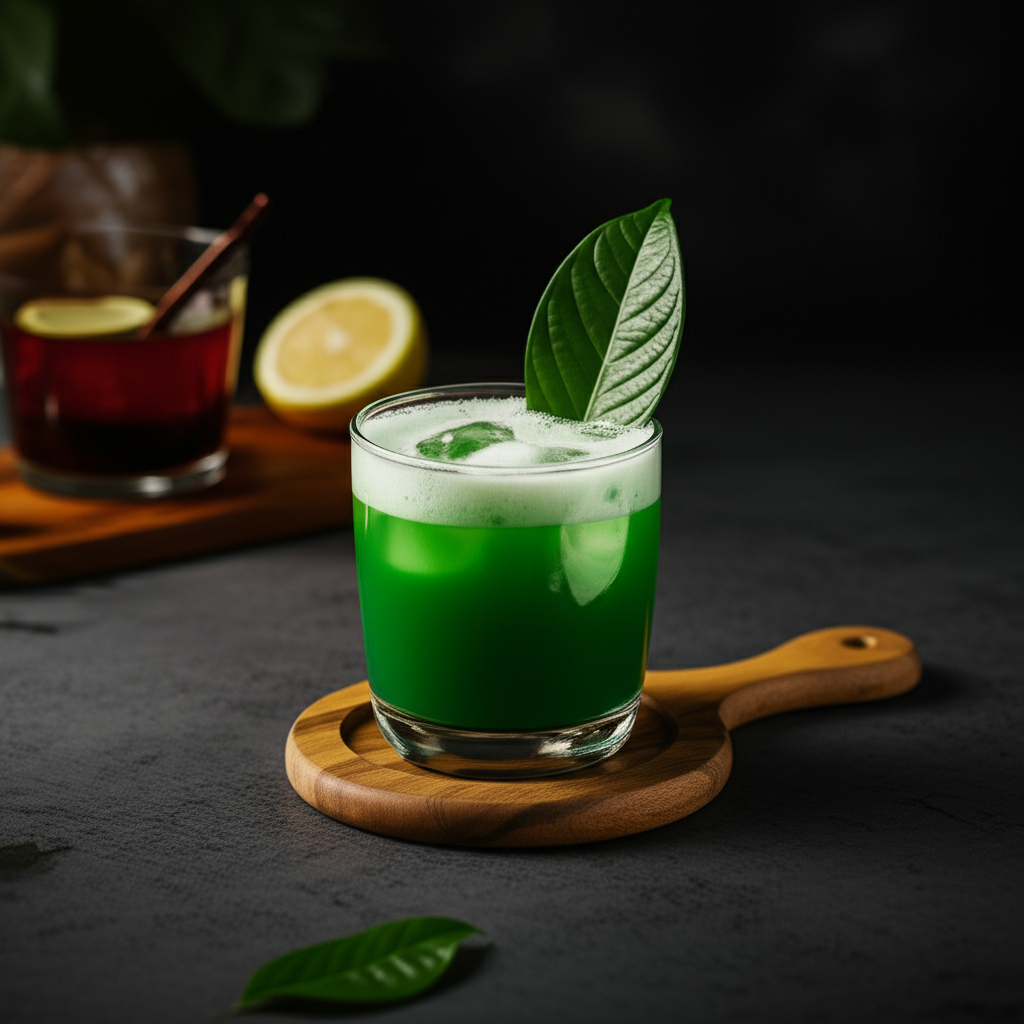
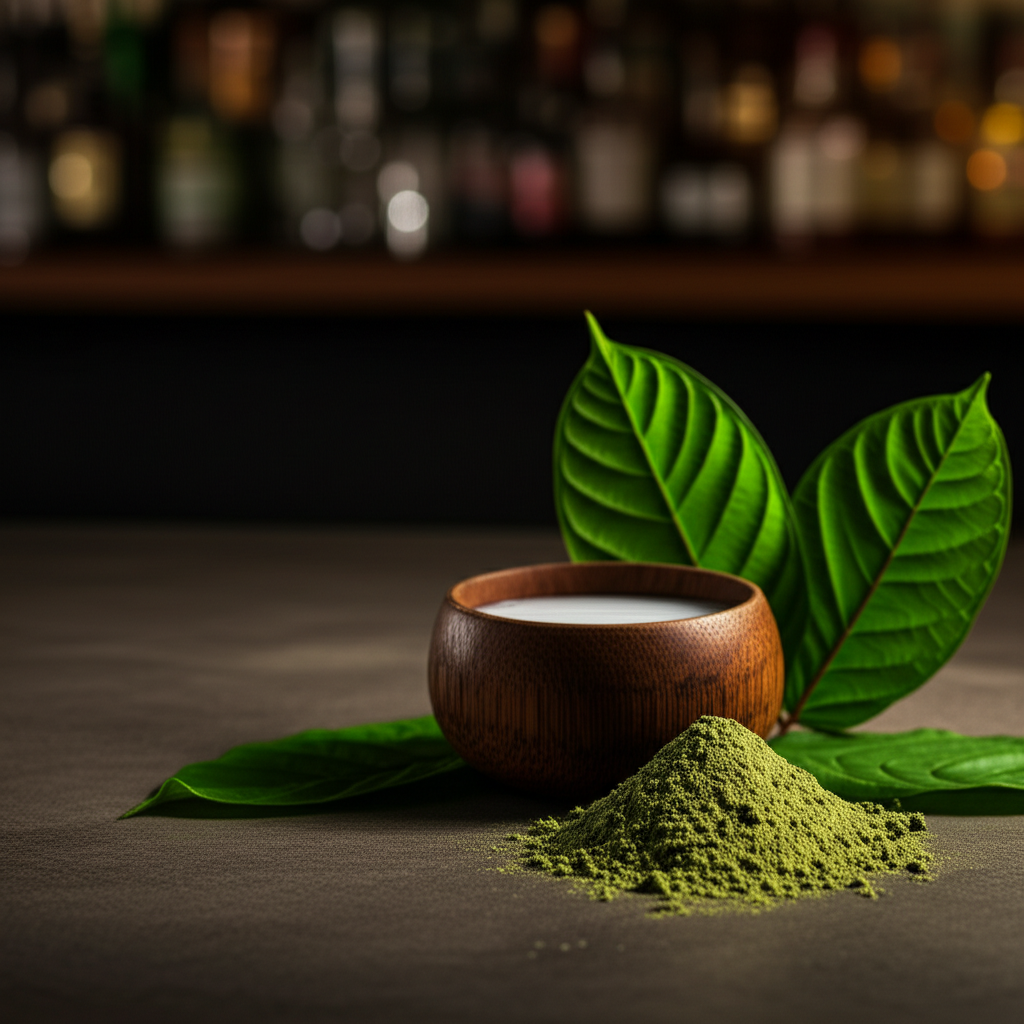
The kava bar scene is exploding globally, with fresh openings transforming social spaces into havens of relaxation. In early 2026, cities like Berlin, Tokyo, and Sydney have seen a flurry of new establishments, each offering unique twists on traditional kava preparation. For instance, Berlin's "Kava Haven," which opened last month, features immersive experiences with live music and kava-based mocktails, attracting a diverse crowd seeking alcohol-free alternatives.
These bars are not just about serving drinks; they're community hubs fostering mindfulness and connection. In Tokyo, the newly launched "Roots Lounge" incorporates Japanese tea ceremony elements into kava rituals, blending cultural traditions to create a serene atmosphere. This trend reflects a broader shift towards experiential wellness, where patrons can participate in workshops on kava's history and benefits.
Statistics from the Global Beverage Association indicate that kava bar revenues have doubled since 2024, driven by younger demographics prioritizing mental health. In the U.S., while Colorado's scene is established, emerging spots in cities like Austin and Portland are gaining traction with innovative offerings, such as kava-infused desserts and health-focused events. This expansion is supported by increased accessibility, with online kava delivery services making it easier for enthusiasts to enjoy at home.
- Popular features: Themed nights, educational sessions, and customizable blends.
- Economic impact: New bars are creating jobs and boosting local economies.
- Sustainability efforts: Many use ethically sourced kava from Pacific Island farmers.
The Bigger Picture: Kava's Influence on Wellness Culture
As kava integrates into mainstream wellness, it's influencing broader cultural shifts towards natural remedies. In 2026, influencers and health experts are advocating for kava in daily routines, from morning rituals to evening wind-downs. This movement is amplified by social media, where hashtags like #KavaWellness have millions of views, sharing personal stories of transformation.
Yet, with popularity comes responsibility. Organizations are emphasizing sustainable practices to protect kava's native environments, partnering with farmers in Fiji and Vanuatu. Additionally, ongoing debates about long-term effects underscore the need for balanced consumption, as highlighted in recent wellness summits.
Looking ahead, kava's future seems bright, with potential integrations into corporate wellness programs and therapeutic settings. By staying informed and engaged, consumers can harness kava's benefits while contributing to a sustainable industry.
Conclusion: Embracing Kava's Potential Responsibly
In conclusion, kava's journey in 2026 is marked by scientific advancements, industry innovations, and community growth, offering a natural path to better mental health and relaxation. As new studies and bars emerge, it's essential to approach kava with knowledge and moderation. Whether you're a seasoned user or a curious newcomer, the world of kava invites you to explore its depths responsibly, paving the way for a healthier, more connected future.