As the world becomes increasingly fast-paced and stress levels continue to rise, many are turning to natural remedies for relief. Kava, a traditional Polynesian beverage derived from the root of the Piper methysticum plant, has long been celebrated for its calming effects. A groundbreaking study released in early 2026 has now provided fresh evidence of kava’s potential to combat stress and anxiety, further fueling the growth of kava bars across the United States and beyond. In this article, we’ll dive into the findings of this new research and explore how it ties into the booming kava bar scene.
Breaking Down the Latest Kava Study
A recent study conducted by researchers at the University of the South Pacific, in collaboration with several Western institutions, has shed new light on kava’s bioactive compounds, known as kavalactones. Published in the Journal of Natural Remedies in February 2026, the study examined the effects of kava consumption on stress and anxiety in a controlled group of 200 participants over a six-month period.
The results were striking. Participants who consumed kava in moderate doses reported a 35% reduction in perceived stress levels compared to a placebo group. Additionally, the study found that kava had a measurable impact on cortisol levels, the hormone associated with stress, suggesting a physiological basis for its calming effects. Importantly, the research emphasized the importance of responsible consumption, noting that excessive use could lead to side effects such as liver strain—a concern that has been debated in the kava community for years.
Dr. Leilani Moana, lead researcher on the project, stated, "Our findings reinforce what Pacific Islanders have known for centuries: kava, when used appropriately, can be a powerful tool for relaxation and mental well-being. This study is a step toward destigmatizing kava and promoting its safe integration into modern wellness practices."
Kava Bars: The New Hub for Stress Relief
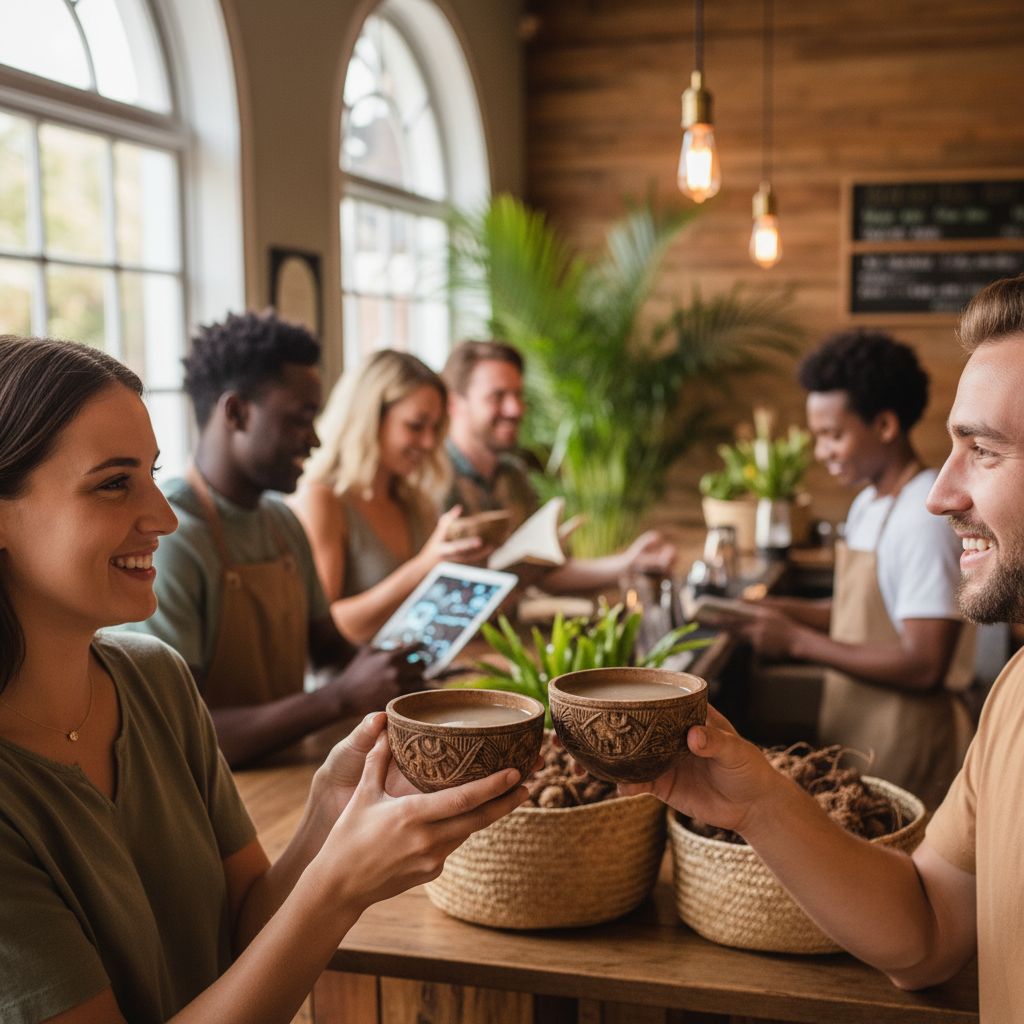
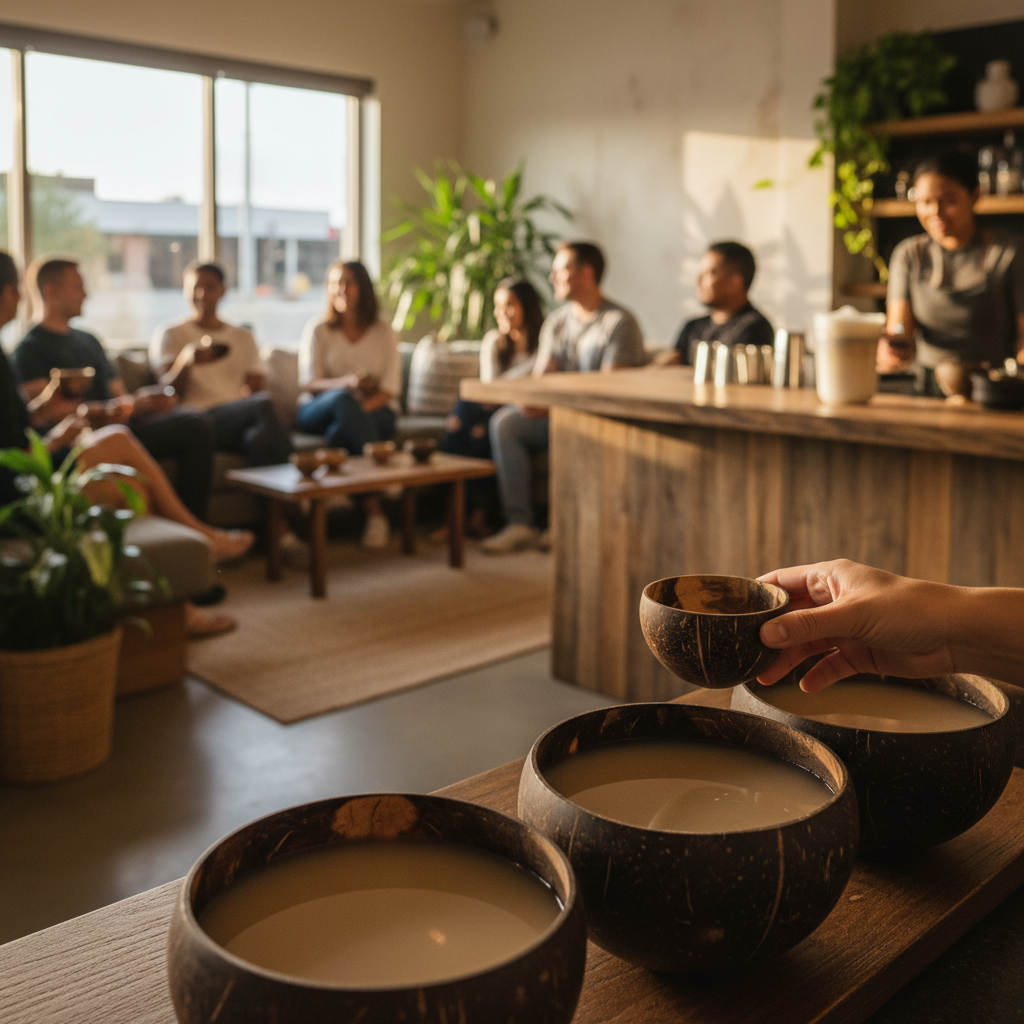
As scientific validation of kava’s benefits grows, so does its cultural footprint in the form of kava bars. These unique establishments, often inspired by the traditional nakamals (kava drinking spaces) of Vanuatu and Fiji, have become a haven for those seeking a non-alcoholic social experience. In 2026, kava bars are popping up in major cities at an unprecedented rate, with industry reports estimating over 300 kava bars operating in the U.S. alone—a 50% increase from just two years prior.
One such venue, Pacific Waves Kava Lounge in Portland, Oregon, opened its doors in late 2025 and has already become a local favorite. Owner Tane Kalani describes the atmosphere as "a blend of community and calm." Customers can choose from a variety of kava strains, each with distinct effects ranging from mild relaxation to deeper sedation, often served in traditional coconut shells. "People come here to unwind after a long day," Kalani says. "They’re looking for an alternative to alcohol, and kava offers that without the hangover."
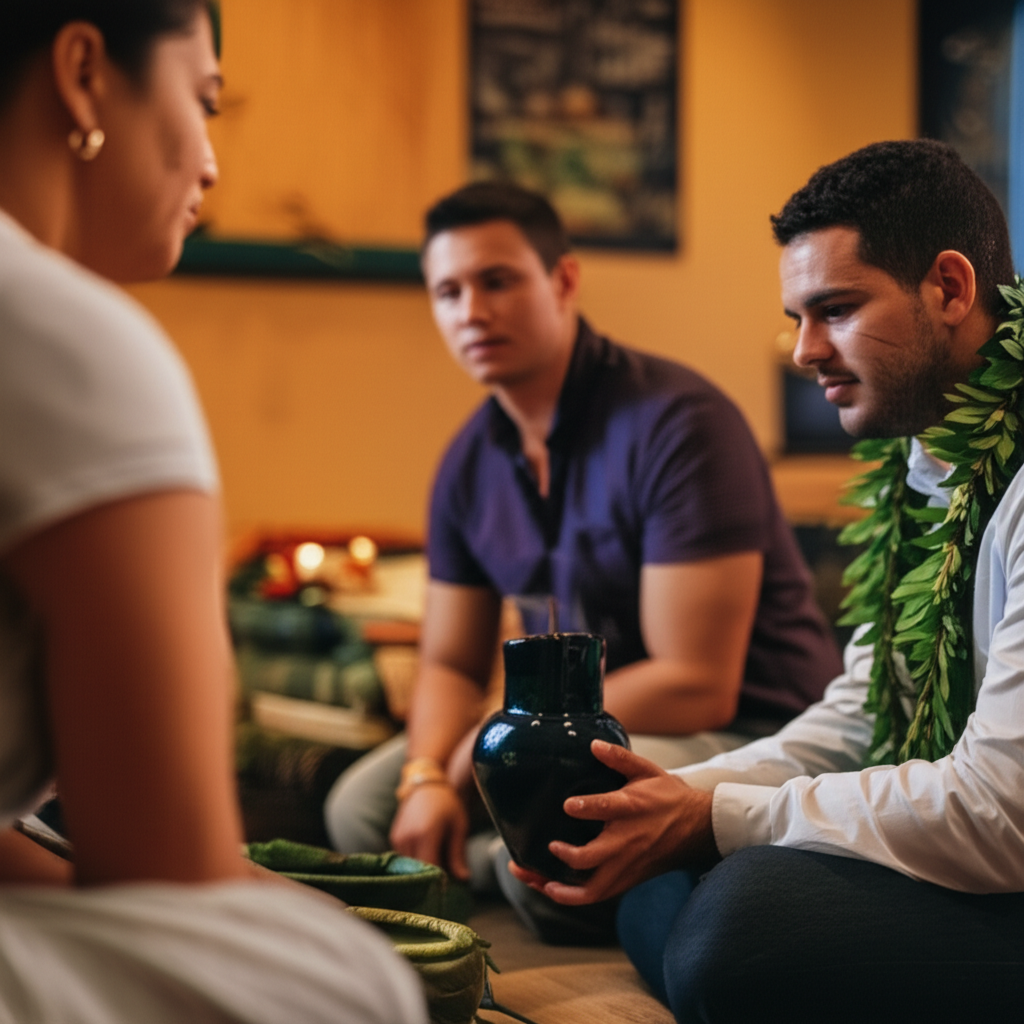
Kava bars are also becoming educational hubs. Many offer workshops on kava’s cultural significance and preparation methods, ensuring patrons understand the drink’s origins and safe usage. This focus on education aligns with the recent study’s call for responsible consumption, helping to address past controversies surrounding kava’s safety.
How the Kava Industry is Responding to New Research
The release of the 2026 study has sparked renewed interest among kava producers and vendors. In Hawaii, where kava (locally known as ‘awa) has deep cultural roots, farmers are reporting a surge in demand for high-quality, sustainably sourced kava root. The industry is also seeing innovation in product forms, with kava extracts and instant mixes gaining traction for their convenience, though purists argue that nothing beats the traditional preparation method of grinding and straining the root.
However, the kava industry faces challenges as its popularity grows. Regulatory scrutiny remains a hurdle, with some countries still imposing restrictions due to concerns over liver toxicity. The new study could play a pivotal role in shaping future policies by providing data-driven insights into safe dosage levels. Industry leaders are optimistic that this research will encourage more governments to adopt balanced regulations, allowing kava to thrive as a wellness product.
Why Kava’s Rise Matters in Today’s World
In an era where mental health is a pressing concern, kava’s potential as a natural stress reliever couldn’t be more relevant. The 2026 study confirms what many kava enthusiasts have long believed: this ancient drink offers a unique way to relax without the downsides of pharmaceutical alternatives or alcohol. At the same time, kava bars are redefining social spaces, providing a welcoming environment for connection and calm.
For those curious about trying kava, experts recommend starting with small amounts and sourcing from reputable vendors to ensure purity. Visiting a local kava bar can also be a great introduction, offering a chance to learn about the drink’s cultural context while enjoying its effects in a community setting.
As research continues to uncover kava’s benefits, and as kava bars cement their place in modern culture, one thing is clear: this traditional beverage is no longer just a Pacific Island secret. It’s a global phenomenon with the power to help us navigate the stresses of modern life—one soothing sip at a time.