As we move further into 2026, the kava and kratom industries continue to carve out unique spaces in the wellness and social scenes. Kava bars across the United States are stepping up their game by hosting wellness retreats, offering patrons a deeper dive into the calming world of kava. Simultaneously, the kratom industry is making headlines with renewed advocacy efforts aimed at educating the public and policymakers. Let’s explore these exciting developments and what they mean for enthusiasts and newcomers alike.
Kava Bars Redefine Relaxation with Wellness Retreats
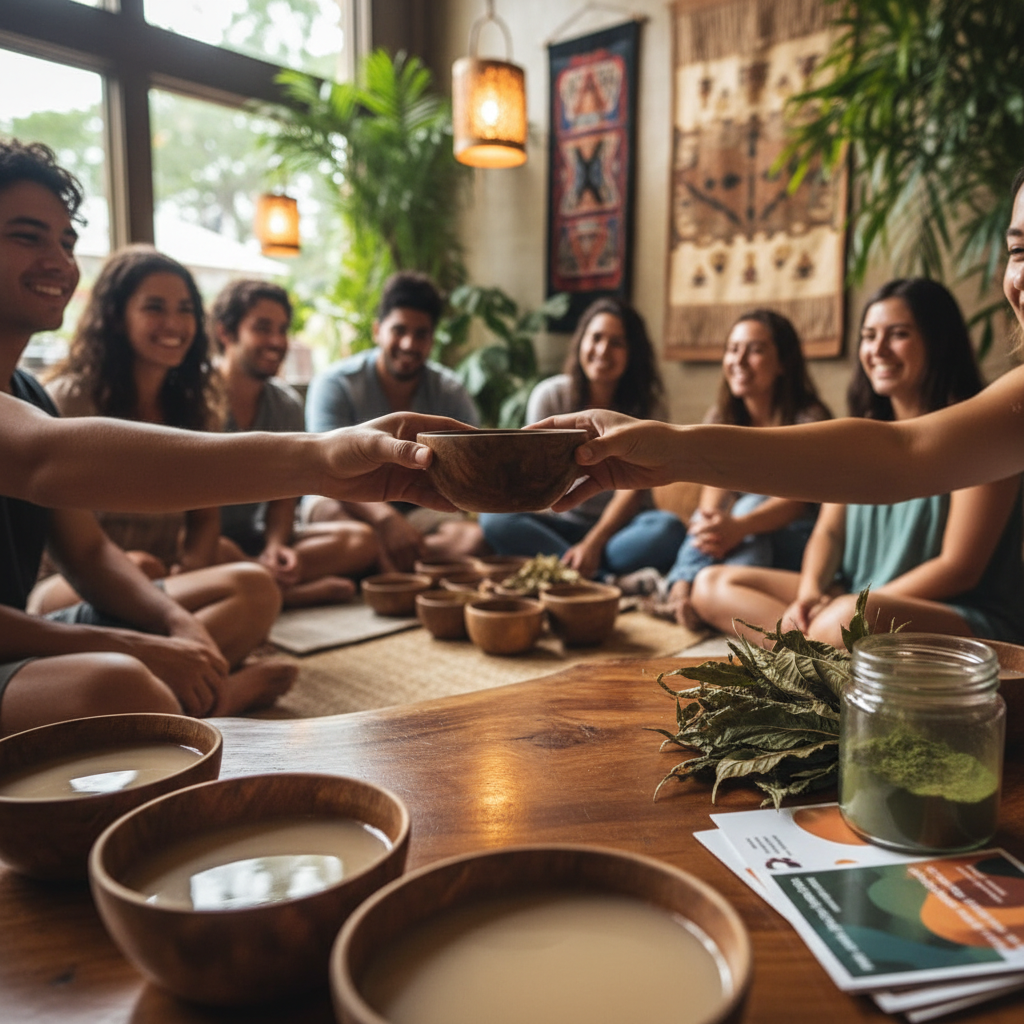
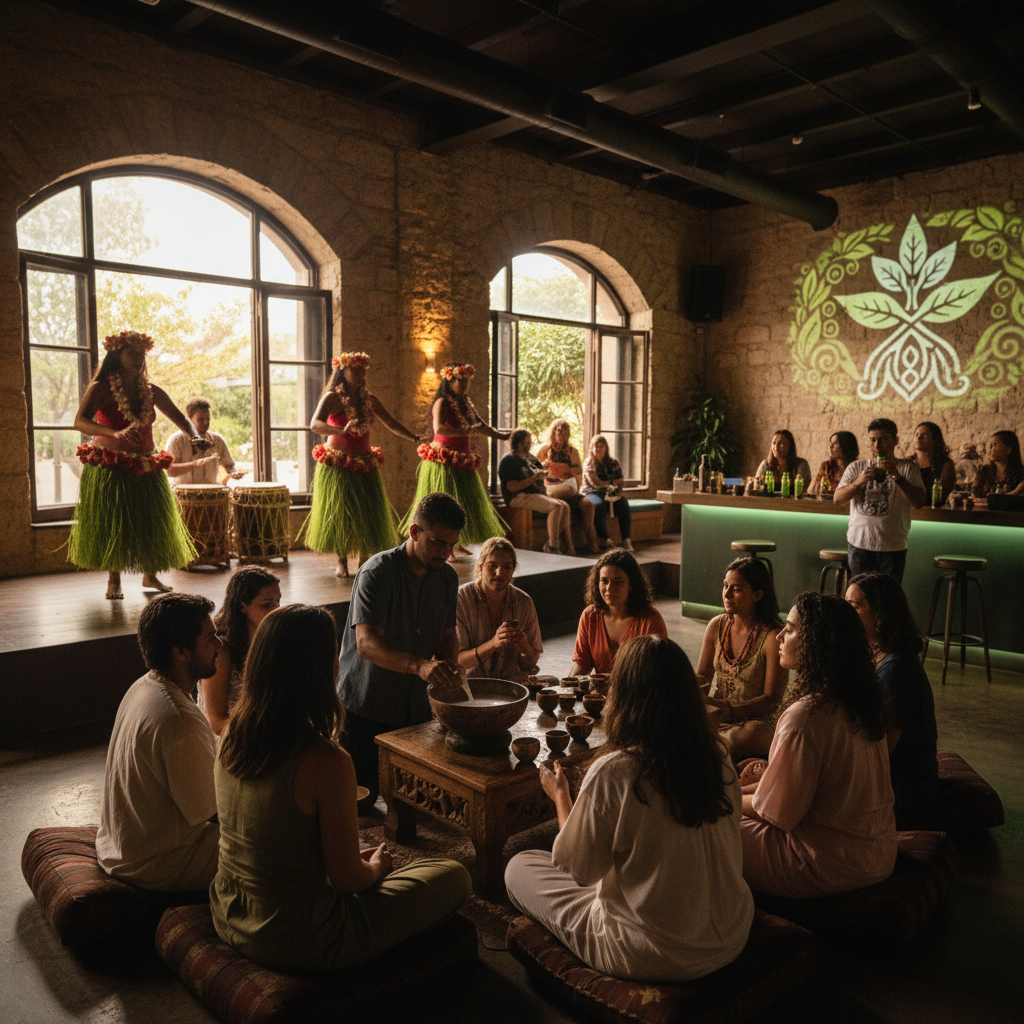
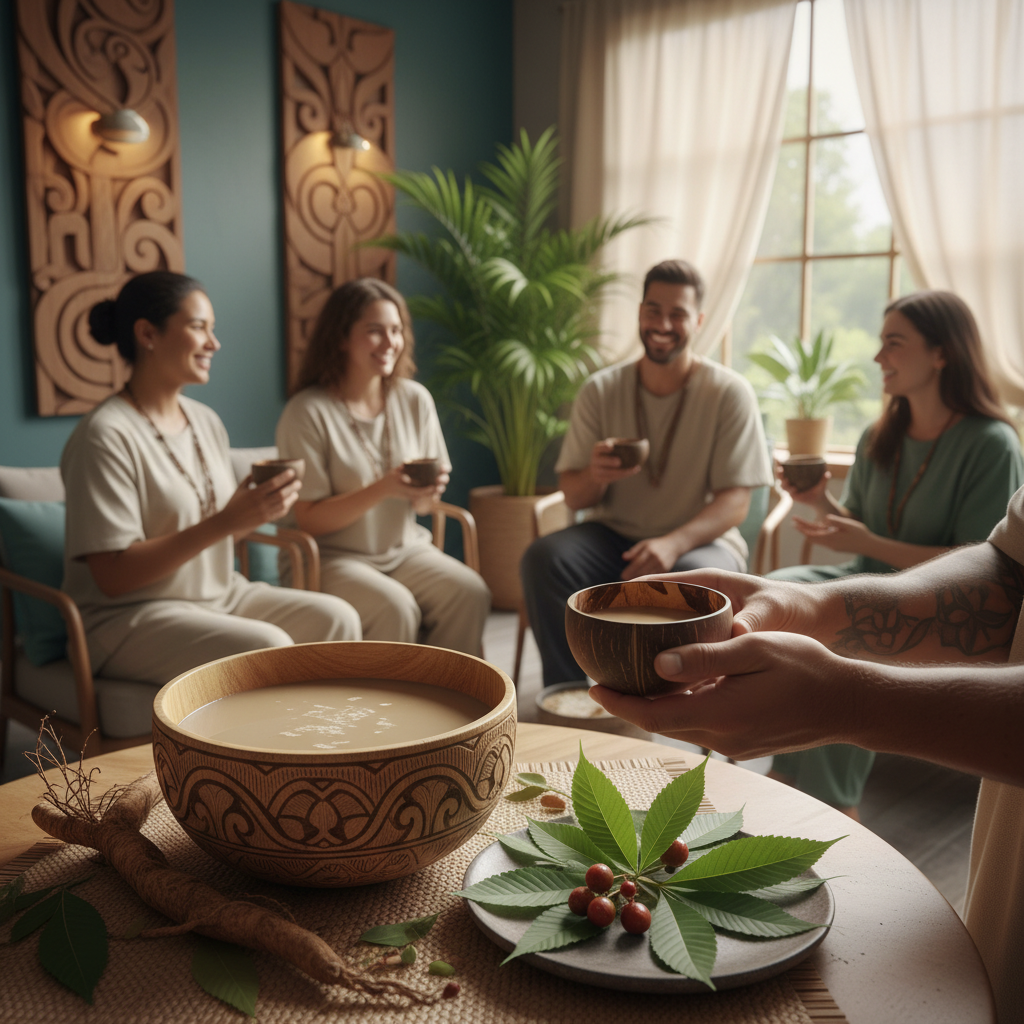
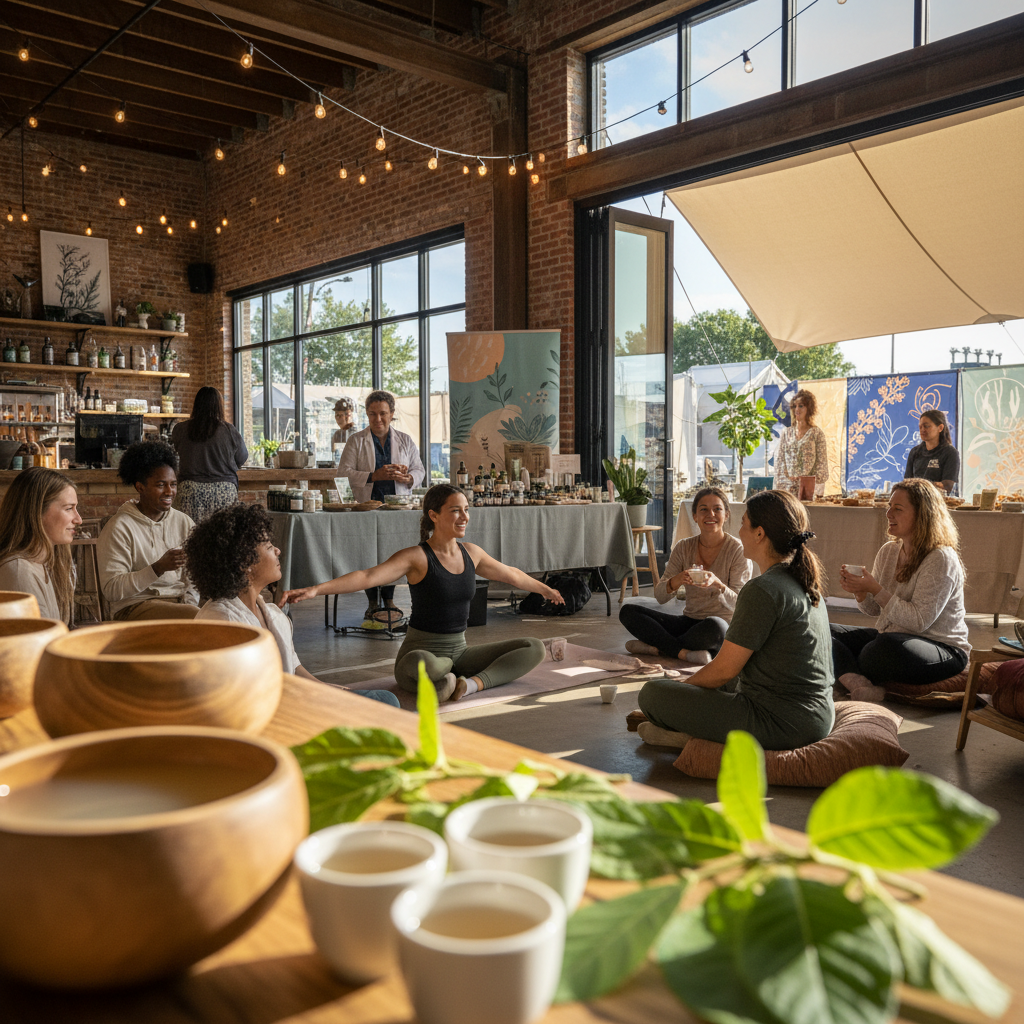
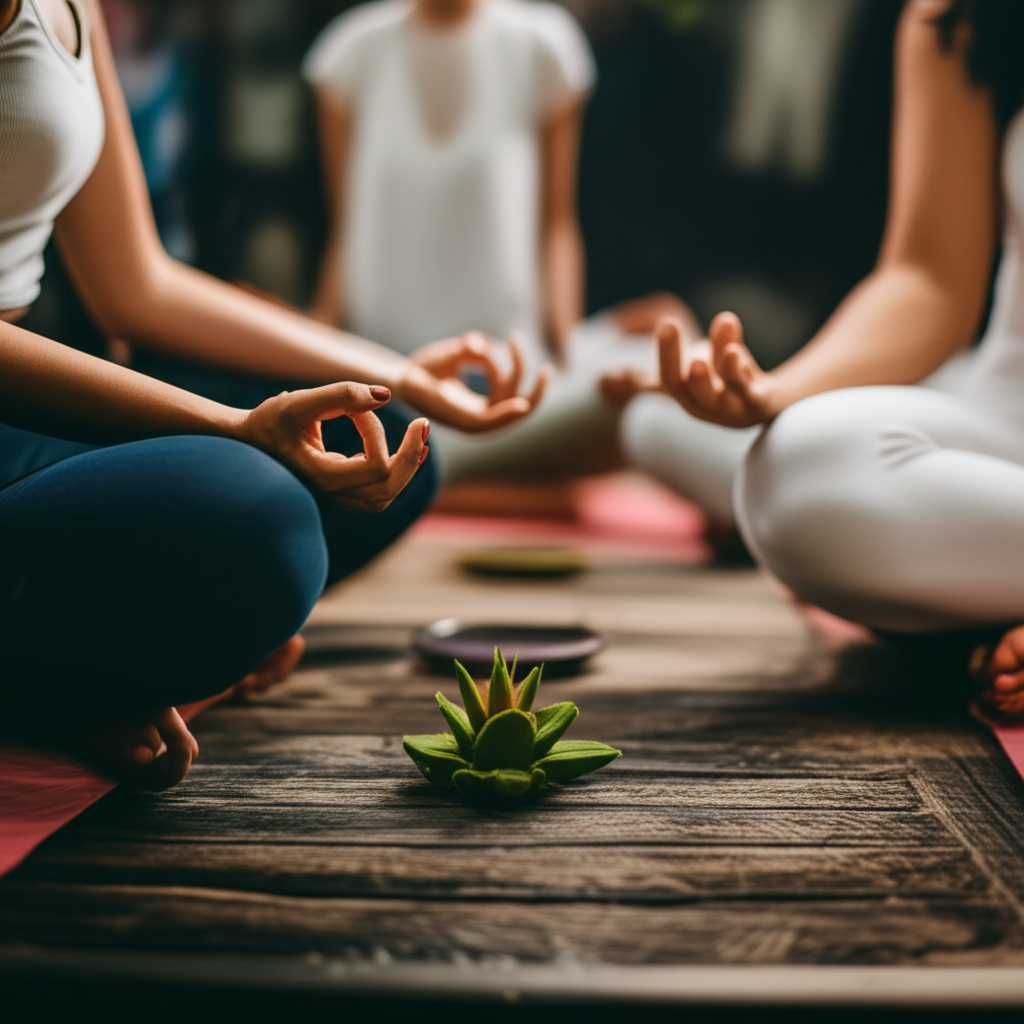
In a bid to elevate the kava experience beyond the traditional shell or mocktail, kava bars in cities like Miami, Austin, and Portland are launching immersive wellness retreats in 2026. These retreats, often held over weekends, combine kava consumption with mindfulness practices, yoga sessions, and educational workshops on the cultural significance of kava in Pacific Island traditions.
One standout example is Island Breeze Kava Lounge in Miami, which recently hosted its inaugural “Kava & Calm” retreat. Attendees enjoyed guided meditations paired with freshly prepared kava, learned about sustainable sourcing from Fijian farmers, and participated in group discussions on stress management. “We want people to see kava as more than just a drink—it’s a lifestyle that promotes relaxation and connection,” said owner Leila Tamani.
These retreats are also attracting a diverse crowd, from stressed-out professionals to holistic wellness seekers. By offering a space to unwind and learn, kava bars are positioning themselves as hubs for mental health support. Many participants report feeling a profound sense of peace after sipping kava in such intentional settings, reinforcing the drink’s reputation as a natural anxiety reliever.
Beyond the personal benefits, these events are boosting local economies. Retreats often partner with wellness instructors, caterers, and even musicians to create a full experience, providing income for small businesses. As kava bars continue to innovate, we can expect more locations to adopt this retreat model, further cementing kava culture in the mainstream.
New Research Reinforces Kava’s Health Benefits
Adding fuel to the kava bar boom, a recent 2026 study published by the Pacific Herbal Institute has shed new light on kava’s potential health benefits. The research, conducted over two years, examined the effects of kavalactones—the active compounds in kava—on stress and sleep quality. Results showed that moderate kava consumption could significantly reduce cortisol levels, the hormone associated with stress, while improving sleep latency in individuals with mild insomnia.
“This study confirms what traditional kava users have known for centuries: this root has a unique ability to calm the mind without the side effects of pharmaceuticals,” noted Dr. Alesi Vuni, lead researcher. The findings are particularly timely as more people seek natural alternatives to manage daily stress in an increasingly fast-paced world.
For kava bars hosting wellness retreats, this research is a powerful tool. Many are already incorporating it into their marketing, educating patrons on how a shell of kava can fit into a broader self-care routine. However, the study also emphasizes the importance of moderation and proper preparation to avoid potential liver concerns, a topic that remains under scrutiny in the kava community. Bars are responding by prioritizing high-quality, noble kava strains and transparent sourcing practices.
Kratom Industry Steps Up Advocacy in 2026
While kava bars flourish, the kratom industry is navigating its own path with a focus on advocacy this year. Kratom, derived from the Mitragyna speciosa tree native to Southeast Asia, has long been a polarizing topic due to regulatory uncertainty. In response, major industry players and consumer groups like the American Kratom Association (AKA) are ramping up efforts to promote responsible use and push for standardized guidelines.
In early 2026, the AKA announced a nationwide campaign titled “Kratom Clarity,” aimed at dispelling myths and providing factual information to lawmakers and the public. The initiative includes public webinars, partnerships with independent researchers, and lobbying for state-level protections to ensure consumer access. “Our goal is to ensure kratom remains a safe, accessible option for those who rely on it for wellness,” said AKA spokesperson Maya Lin.
This advocacy push comes at a critical time, as several states are reconsidering their stances on kratom amid growing user testimonials about its benefits for pain management and mood support. The industry is also investing in third-party lab testing to guarantee product purity, addressing past concerns about contamination. Vendors are increasingly displaying certificates of analysis (COAs) on their websites, a move that builds trust with consumers.
Unlike kava, which is often enjoyed socially, kratom remains a more personal choice, typically consumed as a powder or capsule at home. However, some kava bars are beginning to offer kratom teas as an alternative option, blending the two cultures under one roof. This crossover could pave the way for broader acceptance, though it also raises questions about regulation and education for staff and patrons.
What’s Next for Kava and Kratom?
The trajectories of kava and kratom in 2026 highlight their unique roles in the wellness space. Kava bars are becoming sanctuaries for relaxation and community, with wellness retreats offering a fresh way to engage with this ancient drink. Meanwhile, the kratom industry’s advocacy efforts signal a maturing market determined to establish credibility and protect user rights.
For enthusiasts, this is an exciting era. Whether you’re sipping kava at a retreat or exploring kratom’s potential at home, there’s a growing emphasis on safety, education, and cultural respect. As both industries evolve, staying informed will be key to navigating their benefits and challenges.
Have you attended a kava wellness retreat or followed the latest kratom news? Share your thoughts in the comments—we’d love to hear how these trends are shaping your experience!