As the demand for natural alternatives to alcohol and pharmaceuticals continues to rise, kava bars are stepping up their game with creative mocktail menus, while the kratom industry doubles down on quality control to meet consumer expectations. This dual evolution in the kava and kratom sectors highlights the growing interest in plant-based wellness solutions and the unique ways these industries are adapting to modern trends.
Kava Bars Redefine Social Drinking with Innovative Mocktails
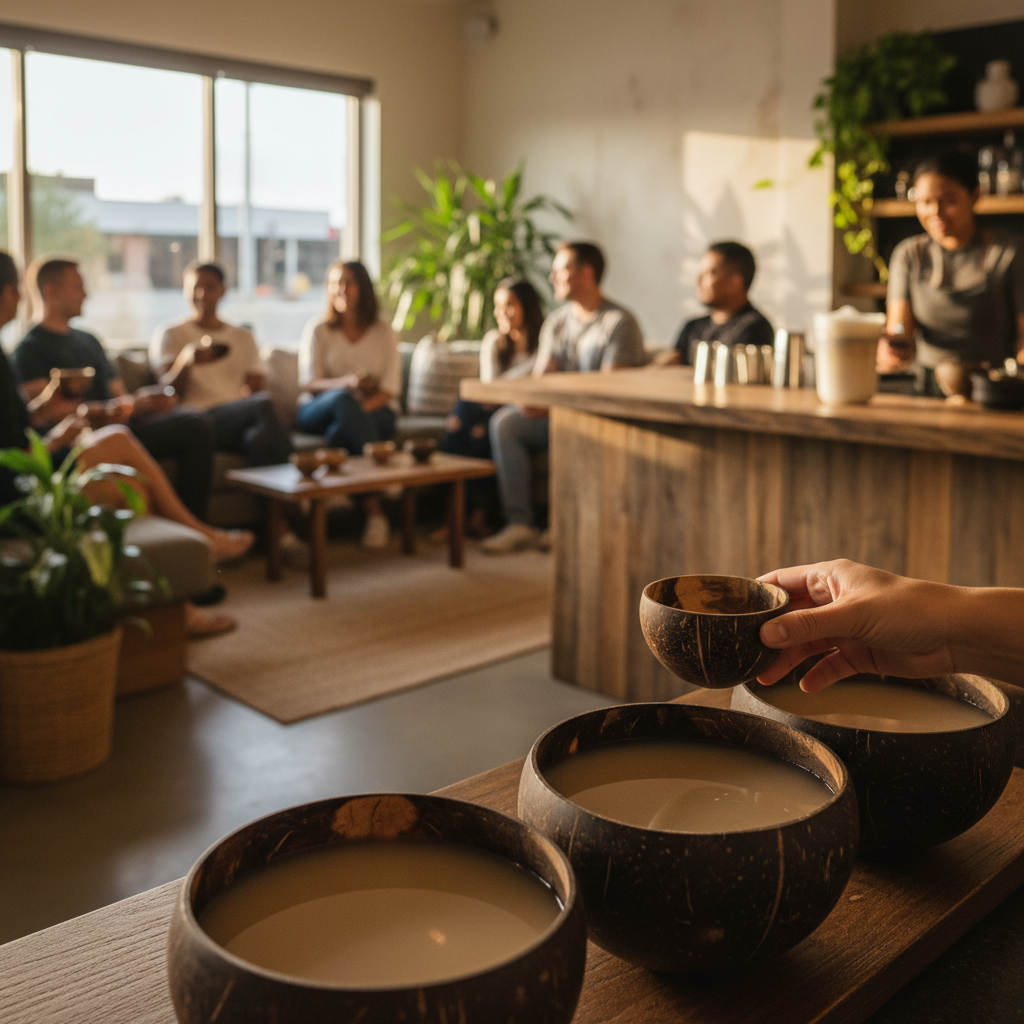
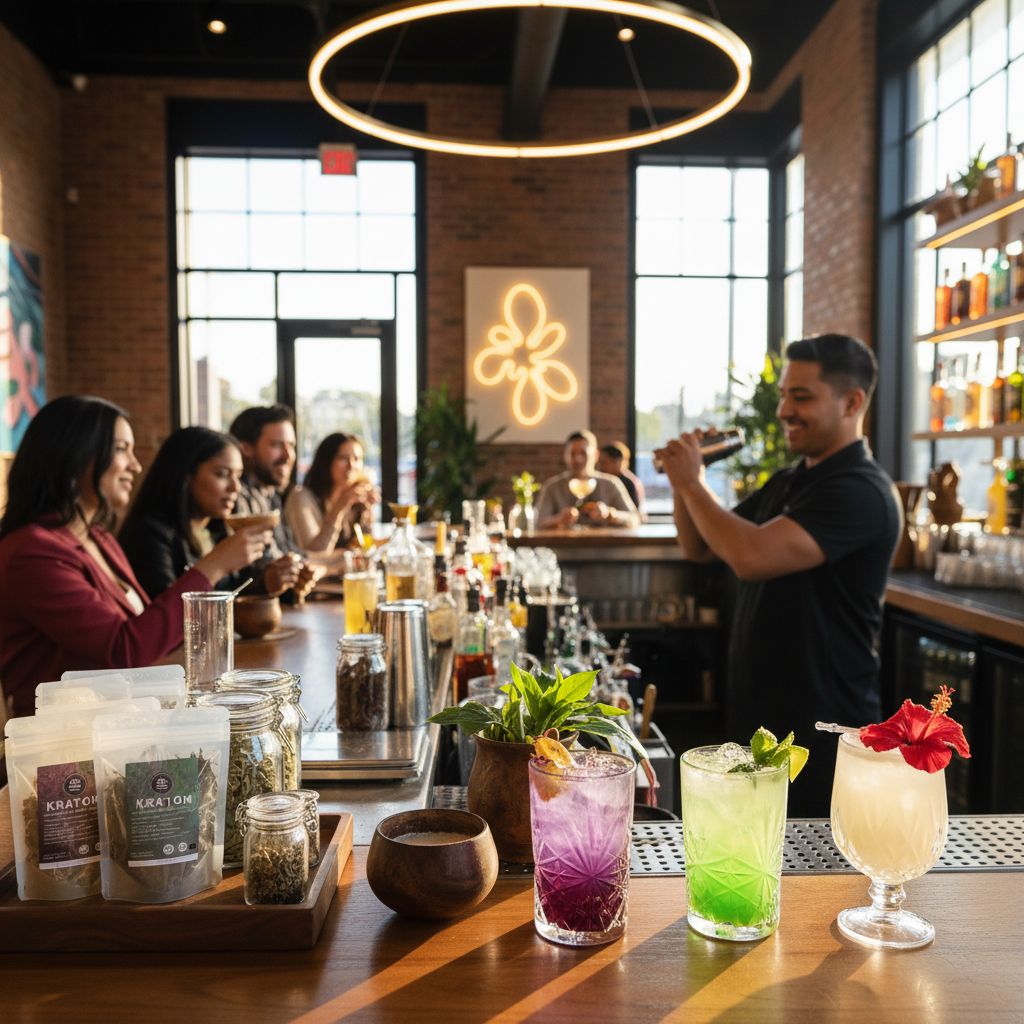
Across the United States, kava bars are becoming go-to spots for those seeking a relaxed social experience without the drawbacks of alcohol. Known for serving traditional kava—a Pacific Island root beverage with calming effects—kava bars are now innovating by introducing mocktails that blend kava with tropical flavors, herbal infusions, and even adaptogenic ingredients. These non-alcoholic drinks are designed to mimic the sophistication of craft cocktails while maintaining the stress-relieving properties of kava.
In cities like Austin, Miami, and Portland, kava bar owners are experimenting with recipes to appeal to a broader audience. For instance, some bars now offer kava-infused piña coladas, using coconut milk and pineapple juice to mask the earthy taste of kava, making it more palatable for newcomers. Others are incorporating ingredients like passionflower or ashwagandha to enhance the relaxing effects, creating a holistic beverage experience.
“We wanted to make kava accessible to everyone, not just those familiar with its traditional preparation,” says Mia Torres, owner of Serenity Kava Lounge in Miami. “Our mocktails are a gateway for people to experience kava’s benefits in a fun, flavorful way.”
This trend is also fostering a sense of community. Kava bars often host events like open mic nights, meditation sessions, and cultural workshops about Pacific Island traditions, turning these spaces into hubs for connection and mindfulness. As more people seek alcohol-free socializing options, kava bars are poised to become a staple in urban nightlife, offering a unique blend of culture, relaxation, and innovation.
Kratom Industry Prioritizes Quality and Transparency
While kava bars are thriving on creativity, the kratom industry is focusing on a different kind of innovation: quality assurance. Kratom, a Southeast Asian herb known for its potential to support energy, focus, and pain relief, has faced scrutiny over inconsistent product quality and safety concerns in recent years. In response, industry leaders are implementing stricter standards to ensure consumer trust and safety.
Organizations like the American Kratom Association (AKA) are advocating for Good Manufacturing Practices (GMP) certification among kratom vendors. This includes rigorous testing for contaminants like heavy metals and pathogens, as well as accurate labeling of alkaloid content. Some companies are even investing in blockchain technology to provide transparent supply chain tracking, allowing consumers to trace their kratom from farm to shelf.
“Quality is everything in this industry,” notes Daniel Lim, a spokesperson for a leading kratom supplier based in California. “We’re working to standardize testing protocols so customers can feel confident in what they’re purchasing. Education is also key—people need to understand how to use kratom responsibly.”
These efforts are critical as kratom continues to gain popularity as a natural alternative for managing stress and discomfort. However, the industry still faces challenges, including varying state regulations and misinformation about the herb’s effects. By prioritizing transparency and quality, vendors hope to build a sustainable future for kratom and dispel myths surrounding its use.
The Synergy of Kava and Kratom in Wellness Culture
While kava and kratom serve distinct purposes—kava for relaxation and kratom for stimulation or pain management—their shared roots in traditional herbal practices create a natural synergy. Many consumers and retailers are beginning to explore how these two plants can complement each other in promoting overall well-being.
For example, some kava bars have started offering kratom teas or capsules alongside their kava drinks, catering to patrons who might want a balanced experience. A low dose of kratom in the morning for focus, followed by a kava drink in the evening for unwinding, is a routine gaining traction among enthusiasts. However, experts caution that both substances should be used mindfully, as their effects can vary based on dosage and individual tolerance.
Additionally, the cultural overlap between kava and kratom communities is fostering a broader conversation about natural remedies. Online forums and social media groups dedicated to these herbs are buzzing with discussions on preparation methods, sourcing ethics, and personal experiences. This grassroots movement is helping to normalize the use of kava and kratom while educating the public on their benefits and risks.
Health Benefits of Kava: What Science Says
Amidst the excitement around kava bars and mocktails, it’s worth revisiting the science behind kava’s appeal. Research suggests that kava contains compounds called kavalactones, which interact with the brain’s GABA receptors to produce a calming effect without impairing cognitive function. This makes it a promising option for managing stress and promoting relaxation.
Studies have also explored kava’s potential in supporting sleep quality. A 2024 meta-analysis published in a peer-reviewed journal found that regular kava consumption may help reduce the time it takes to fall asleep, though researchers emphasize the need for further clinical trials to confirm long-term safety and efficacy. Unlike some pharmaceutical options, kava is non-addictive when used responsibly, adding to its allure as a natural remedy.
However, it’s important to note that kava isn’t without controversy. Concerns about liver toxicity have been raised in the past, though recent research suggests these risks are minimal when consuming high-quality, noble kava varieties prepared from the root (as opposed to leaves or stems). Consumers are encouraged to source kava from reputable vendors and consult healthcare providers if they have underlying health conditions.
Looking Ahead: A Bright Future for Kava and Kratom
As kava bars continue to innovate with mocktails and community-driven experiences, and the kratom industry strengthens its commitment to quality, both sectors are carving out a significant space in the wellness and social spheres. These developments reflect a broader cultural shift toward embracing natural, plant-based solutions for relaxation, energy, and connection.
Whether you’re sipping a kava mocktail at a local bar or exploring kratom as part of your daily routine, one thing is clear: these traditional herbs are finding new life in the modern world. With ongoing education, innovation, and advocacy, the kava and kratom industries are well-positioned to meet the growing demand for authentic, sustainable alternatives to conventional options.