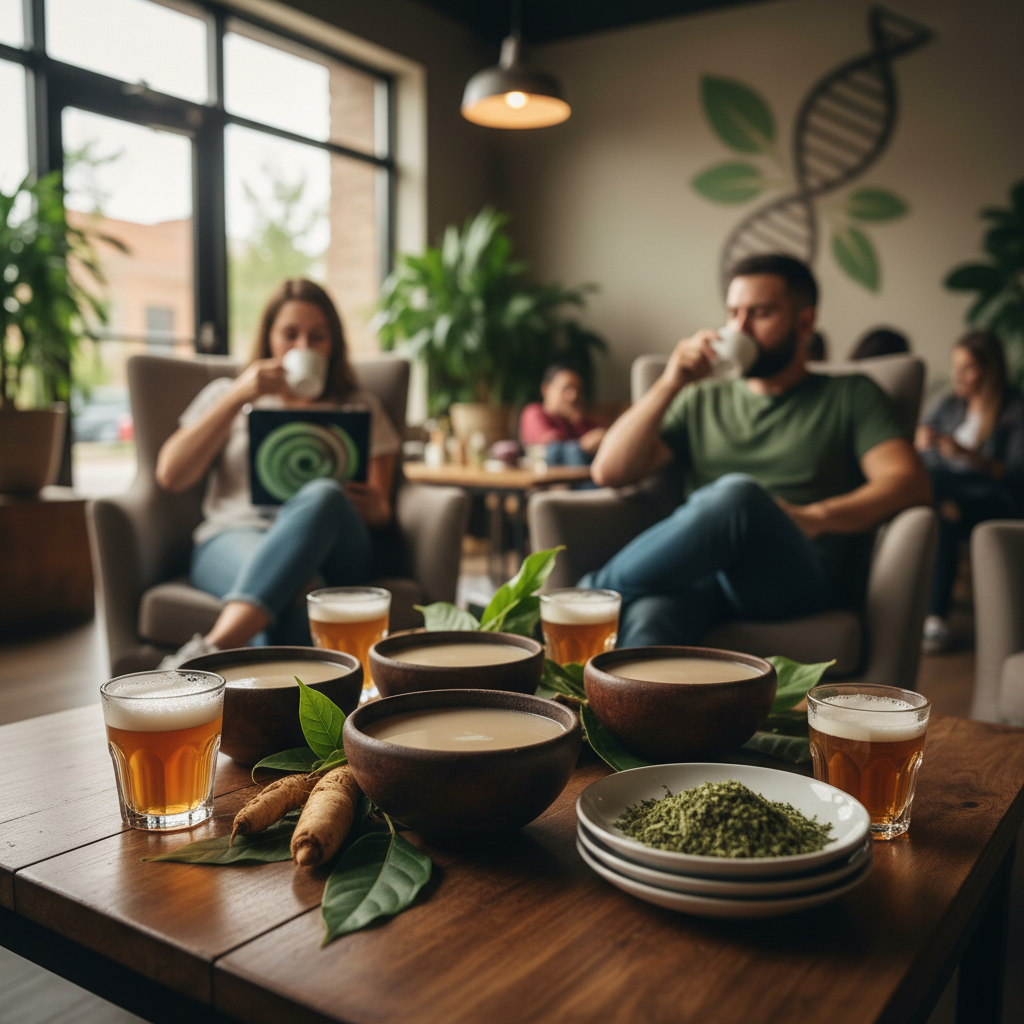
In the ever-evolving world of natural relaxation remedies, kava bars and the kratom industry continue to make waves with innovative approaches and groundbreaking research. As kava bars across the United States strive to bring authentic Pacific Island experiences to their patrons, the kratom industry is spotlighting new studies that underscore the potential benefits of this Southeast Asian plant. Let’s dive into the latest developments in these two fascinating sectors of the herbal wellness space.
Kava Bars Transport Patrons to the Pacific Islands
Kava bars have long been a haven for those seeking a natural way to unwind, offering a unique social environment centered around the traditional Polynesian drink made from the roots of the kava plant (Piper methysticum). Known for its calming effects, kava has been used for centuries in Pacific Island cultures during ceremonies and social gatherings. Now, kava bars are taking their cultural immersion to the next level by redesigning their spaces to reflect the serene beauty and traditions of places like Fiji, Vanuatu, and Tonga.
From bamboo decor and tropical murals to traditional kava-serving rituals using coconut shell bowls (known as bilos), these establishments are creating an atmosphere that feels like a getaway to the South Pacific. Some kava bars are even partnering with cultural ambassadors from Pacific Island communities to host storytelling sessions and workshops on the history and significance of kava in their cultures. For instance, a popular kava bar in San Diego recently launched a monthly “Kava and Culture” night, where guests can learn about the plant’s origins while sipping on freshly prepared kava.
This trend is not just about aesthetics—it’s about fostering a deeper connection to kava’s roots. Bar owners report that customers are increasingly curious about the cultural context of kava, often asking questions about its traditional preparation and ceremonial use. “We want to honor the heritage of kava,” says Leilani Matai, owner of a kava bar in Honolulu. “It’s not just a drink; it’s a bridge to understanding the values of community and relaxation that are central to Pacific Island life.”
This cultural focus is also a smart business move. As the kava bar scene grows, especially in urban areas, differentiation is key. By offering an authentic experience, these bars are attracting a loyal customer base eager for something beyond the typical coffee shop or cocktail lounge vibe. It’s a win-win: patrons get to relax with a soothing kava drink while immersing themselves in a unique cultural journey.
Kratom Industry Shines with New Research on Health Benefits
Meanwhile, the kratom industry is buzzing with excitement over recent research that sheds light on the potential benefits of kratom (Mitragyna speciosa), a tropical tree native to Southeast Asia. Traditionally used in countries like Thailand and Malaysia for its stimulating and pain-relieving properties, kratom has gained a significant following in the West as a natural alternative for managing discomfort and boosting energy.
A new study published by a team of researchers at a leading university has provided fresh insights into kratom’s active compounds, particularly mitragynine and 7-hydroxymitragynine. The research suggests that these alkaloids may interact with the body’s opioid receptors in a way that could offer pain relief without the high risk of dependency associated with synthetic opioids. While the study emphasizes that more clinical trials are needed, early findings are promising and have sparked renewed interest among kratom advocates and vendors.
This research comes at a critical time for the kratom industry, which has faced scrutiny over safety concerns and regulatory challenges in recent years. Industry leaders are hopeful that scientific validation of kratom’s benefits will help shift public perception and encourage more balanced regulations. “We’ve always believed in the potential of kratom to support wellness naturally,” says Michael Tan, a spokesperson for the American Kratom Association. “Studies like this are a step toward ensuring that consumers have access to safe, high-quality products.”
In response to these developments, many kratom vendors are doubling down on transparency by providing detailed lab testing results for their products. This move not only builds trust with consumers but also aligns with the industry’s broader push for standardization. As kratom continues to carve out its place in the herbal supplement market, education remains a priority—both for users and policymakers.
The Intersection of Kava and Kratom Communities
Interestingly, there’s a growing overlap between kava and kratom enthusiasts, with many kava bars beginning to educate patrons about kratom as a complementary option for relaxation or energy. While kava is often praised for its anxiety-reducing effects, kratom’s versatility—offering both calming and stimulating properties depending on the strain and dosage—makes it a natural fit for those exploring plant-based wellness solutions.
Some kava bars have even started carrying kratom teas or powders alongside their traditional kava offerings, though this trend varies by state due to differing regulations on kratom sales. This blending of the two communities highlights a shared ethos: a desire for natural alternatives to mainstream pharmaceuticals and a return to time-tested herbal traditions.
Looking Ahead: A Bright Future for Kava and Kratom
As kava bars continue to innovate with culturally rich experiences and the kratom industry gains credibility through scientific research, both sectors are poised for significant growth. For kava lovers, the chance to sip a soothing drink in an environment that feels like a tropical escape is an irresistible draw. For kratom users, emerging studies offer hope for wider acceptance and a deeper understanding of the plant’s potential.
Whether you’re a regular at your local kava bar or a curious newcomer to kratom, one thing is clear: these ancient plants are finding new life in modern wellness culture. As research progresses and cultural appreciation deepens, the kava and kratom industries are not just surviving—they’re thriving.