In the ever-evolving world of kava and kratom, exciting developments are reshaping both the cultural and industrial landscapes. Kava bars across the United States are introducing live music nights to enhance the social experience, while the kratom industry is making significant strides toward implementing standardized testing protocols to ensure product safety and consistency. Let’s dive into these fresh trends and explore what they mean for enthusiasts and newcomers alike.
Kava Bars Tune Into Community with Live Music Nights
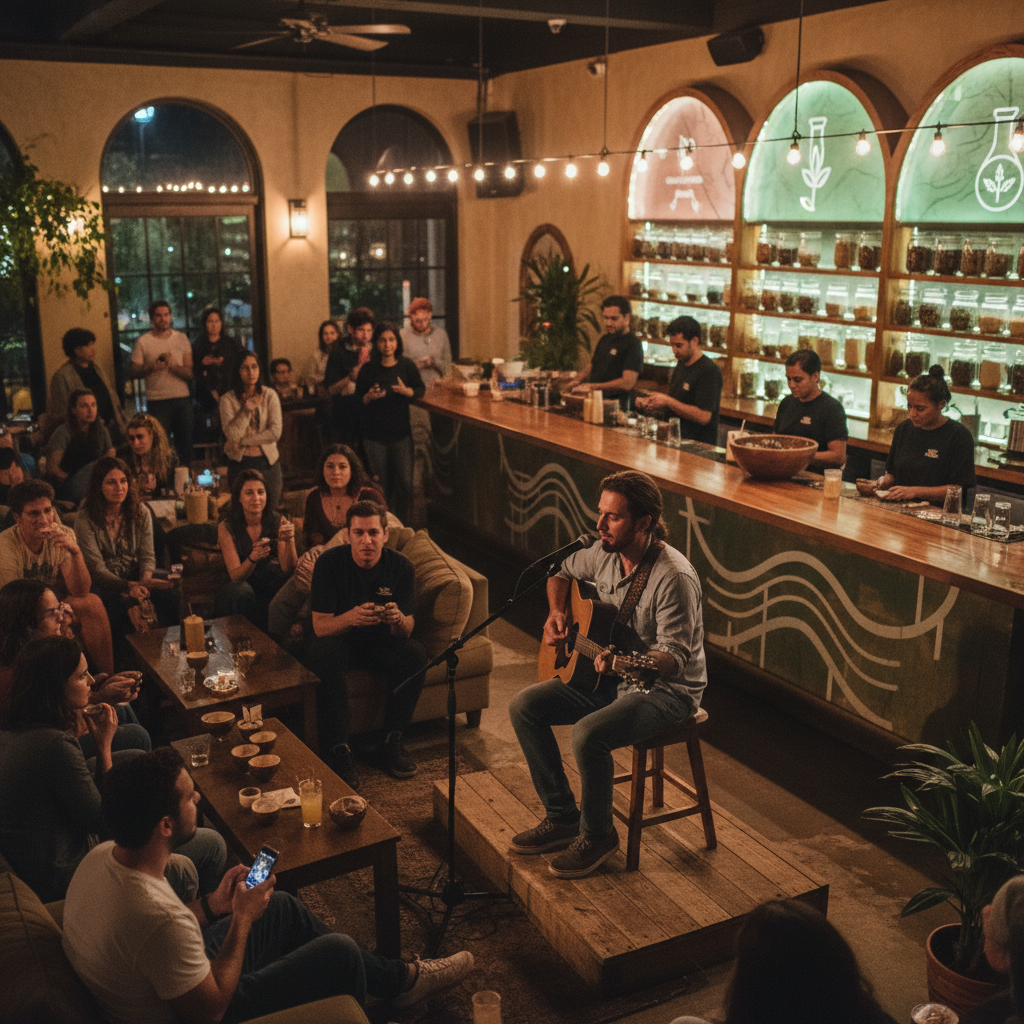
Kava bars have long been cherished as serene havens for relaxation and community bonding, rooted in the traditional Pacific Islander practice of sharing kava, a calming drink made from the root of the kava plant. In a bid to attract a wider audience and enrich the kava bar experience, many establishments are now hosting live music nights. From acoustic sets to local bands playing soothing reggae or island-inspired tunes, these events are transforming kava bars into vibrant cultural hubs.
Cities like Portland, Austin, and Miami are leading the charge, with popular kava bars such as 'Kava Konnection' in Portland announcing weekly music nights featuring indie artists. “We wanted to create an atmosphere where people can unwind with kava and connect through music,” says owner Lila Thompson. “It’s about blending the traditional calming effects of kava with a modern social twist.”
These events are not just about entertainment; they’re a nod to kava’s cultural origins, where music and storytelling often accompany kava ceremonies in places like Fiji and Vanuatu. Patrons can sip on kava shells—traditional servings of the earthy drink—while enjoying live performances, fostering a deeper appreciation for kava culture. For those new to kava, these music nights offer a low-pressure introduction to the drink’s relaxing effects, often described as a natural way to ease stress without the fog of alcohol.
Additionally, live music nights are proving to be a business boon. Many kava bars report a 20-30% increase in foot traffic on event nights, helping to sustain these niche venues in competitive urban markets. As this trend grows, we may see more kava bars collaborating with local musicians and even hosting kava-themed music festivals to further cement their place in the wellness and social scene.
Kratom Industry Advocates for Standardized Testing
Meanwhile, on the kratom front, the industry is tackling one of its biggest challenges: ensuring product quality and safety through standardized testing. Kratom, a tropical tree native to Southeast Asia, has gained popularity for its potential to support energy, focus, and relaxation through its active alkaloids, mitragynine and 7-hydroxymitragynine. However, inconsistent product quality and varying state regulations have long been hurdles for both consumers and vendors.
In response, leading kratom advocacy groups, such as the American Kratom Association (AKA), are pushing for universal testing standards. These standards would require third-party lab testing for contaminants like heavy metals, pesticides, and microbial impurities, as well as accurate labeling of alkaloid content. “Our goal is to protect consumers and legitimize the industry,” states AKA spokesperson Daniel Rivera. “Standardized testing ensures that whether you’re buying kratom in California or Kentucky, you’re getting a safe, reliable product.”
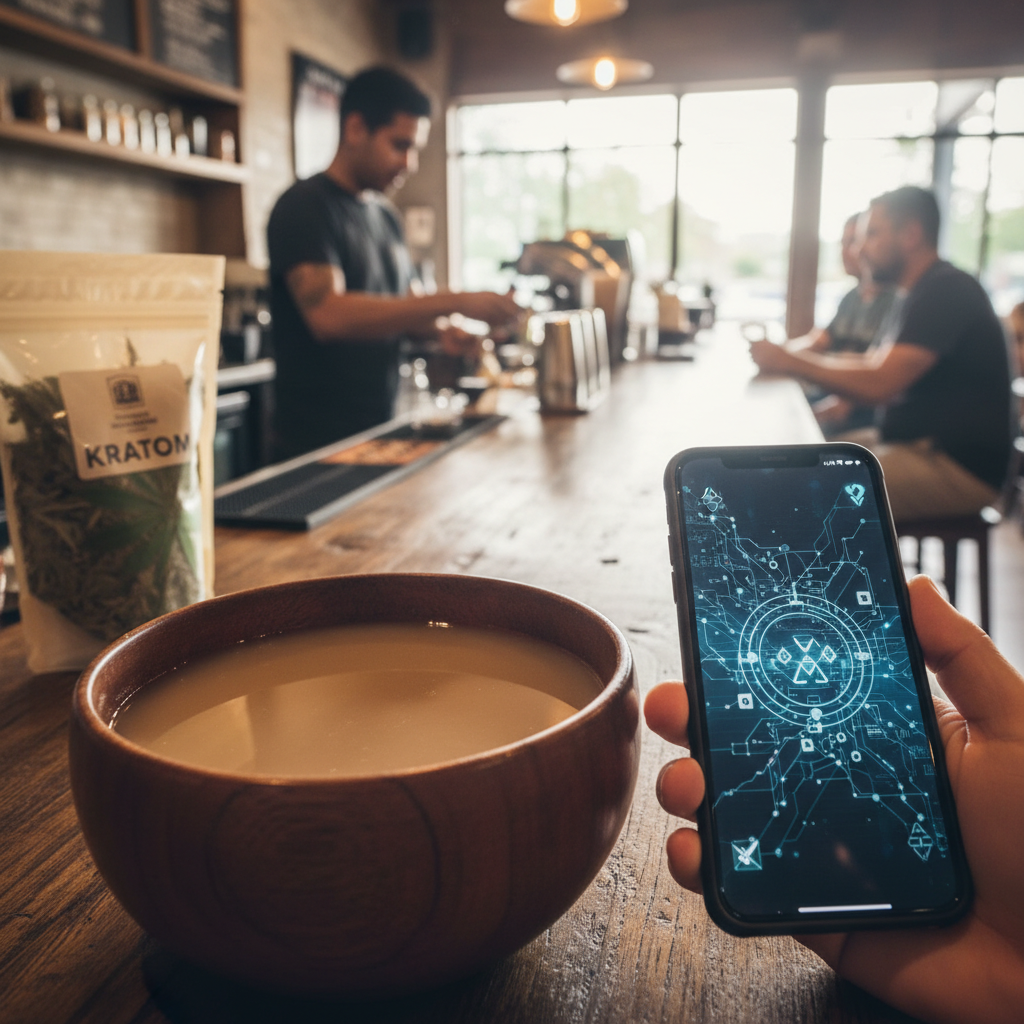
This move comes at a critical time as kratom faces scrutiny from regulatory bodies like the FDA, which has raised concerns over potential health risks and lack of oversight. By proactively establishing testing protocols, kratom vendors hope to build trust with both consumers and lawmakers. Several major kratom suppliers have already pledged to adopt these standards, with some displaying QR codes on packaging that link to lab results for full transparency.
For consumers, this is a game-changer. Standardized testing means less guesswork when choosing kratom strains—whether it’s a stimulating Maeng Da or a calming Red Bali—and more confidence in the product’s purity. Industry analysts predict that if these standards become widely adopted, kratom could see a surge in mainstream acceptance, potentially paving the way for clearer legal frameworks across the U.S.
What This Means for Kava and Kratom Enthusiasts
The dual developments in kava bars and the kratom industry highlight a shared theme: a commitment to enhancing user experience while addressing modern demands for safety and accessibility. For kava lovers, live music nights offer a fresh way to engage with the drink’s cultural heritage, making kava bars not just places to relax, but destinations for entertainment and connection. Imagine unwinding after a long day with a shell of kava in hand, the strum of a guitar filling the air—it’s a uniquely grounding experience.
For kratom users, the push for standardized testing is a reassuring step toward a more regulated and trustworthy market. As someone who values the potential benefits of kratom for focus or relaxation, knowing that each batch is rigorously tested provides peace of mind. It also empowers consumers to make informed choices, whether they’re using kratom as part of a wellness routine or for occasional support.
Both kava and kratom communities are proving adaptable, blending tradition with innovation. Kava bars are embracing their role as social and cultural spaces, while the kratom industry is prioritizing accountability to secure its future. Together, these trends underscore the growing appeal of natural, plant-based alternatives in today’s wellness landscape.
Looking Ahead: A Harmonious Future
As kava bars continue to roll out live music nights, we can expect other creative initiatives—perhaps art exhibitions or kava-tasting workshops—to follow suit, further enriching the kava experience. Meanwhile, the kratom industry’s focus on standardized testing could set a precedent for other herbal supplement markets, potentially influencing how kava products are regulated as well.
For now, whether you’re a regular at your local kava bar or a kratom enthusiast keeping tabs on industry news, there’s plenty to be excited about. These developments are a reminder of the unique ways kava and kratom intersect with culture, community, and consumer safety. So, next time you’re sipping kava under the glow of stage lights or scanning a kratom package for lab results, know that you’re part of a dynamic, evolving movement.