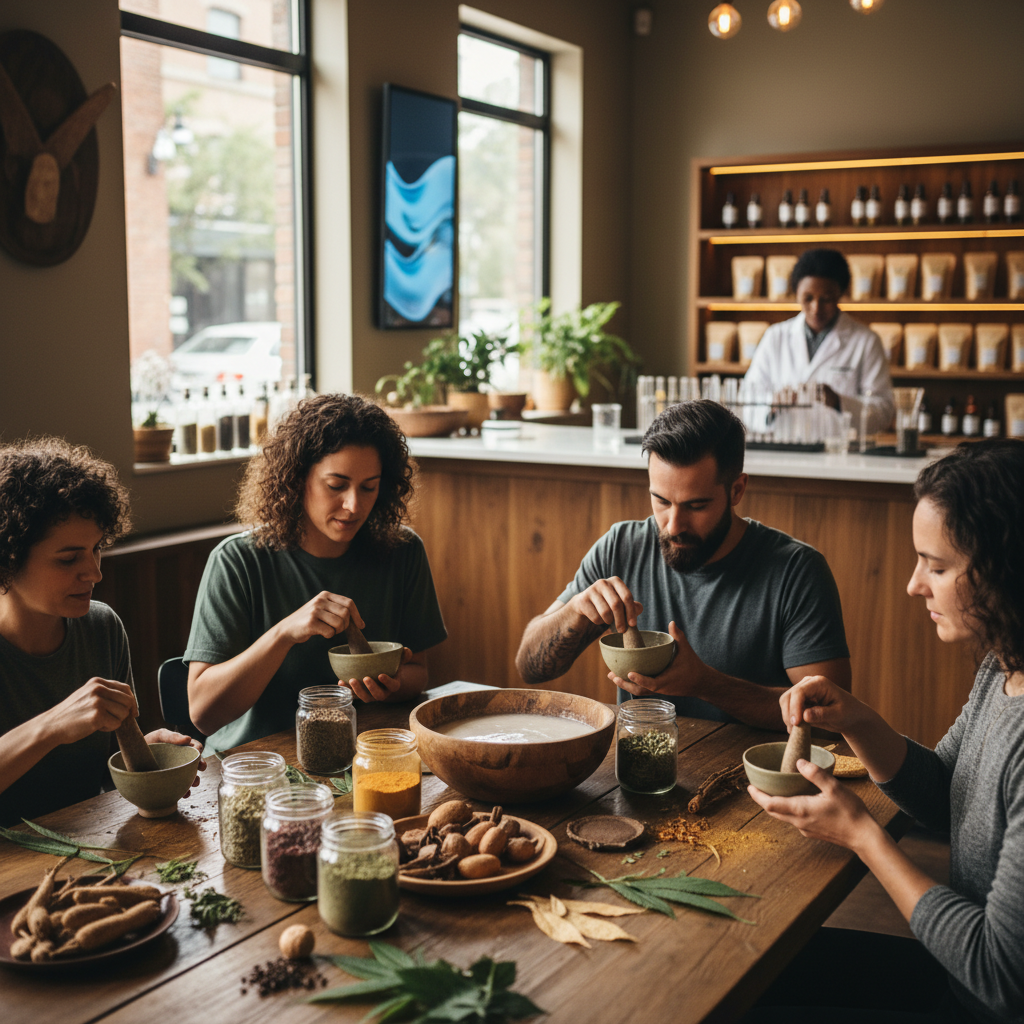
In a delightful fusion of tradition and innovation, kava bars across the United States are rolling out herbal mixology classes to educate enthusiasts on the art of crafting kava-based beverages. Meanwhile, the kratom industry is making headlines with a renewed push for standardized testing protocols to ensure product safety and consistency. These dual developments signal a dynamic evolution in the kava and kratom communities, blending cultural appreciation with a commitment to quality.
Kava Bars Elevate the Experience with Herbal Mixology Classes
Kava bars have long been cherished as communal spaces where people gather to enjoy the relaxing effects of kava, a traditional Polynesian drink made from the roots of the Piper methysticum plant. Known for its calming properties, kava has become a staple in wellness circles, offering a natural alternative to alcohol for socializing and stress relief. Now, kava bars are taking their offerings to the next level by introducing herbal mixology classes that teach patrons how to create their own kava concoctions at home.
These classes, which have debuted in cities like Portland, Austin, and Miami, go beyond the standard kava preparation. Participants learn about the history and cultural significance of kava while experimenting with unique recipes that incorporate complementary herbs, fruits, and spices. Think kava-infused smoothies with coconut milk and pineapple, or spiced kava lattes with a hint of cinnamon and vanilla. Bar owners report that these workshops not only deepen customers’ appreciation for kava but also foster a sense of community among attendees.
“We wanted to give people a hands-on way to connect with kava’s roots—pun intended,” says Leilani Moana, owner of Pacific Waves Kava Bar in Portland. “Our mixology classes are about creativity and respect for the plant. Plus, it’s just fun to see what people come up with!”
The trend is also a response to growing demand for personalized wellness experiences. As more individuals seek natural remedies for stress and anxiety, kava bars are positioning themselves as educational hubs, not just places to unwind. Some establishments are even partnering with local herbalists to provide deeper insights into the synergistic effects of kava when paired with other botanicals like chamomile or ginger.
Kratom Industry Advocates for Standardized Testing
On the other side of the herbal spectrum, the kratom industry is addressing a critical issue: the need for standardized testing to ensure product purity and safety. Kratom, derived from the leaves of the Mitragyna speciosa tree native to Southeast Asia, has gained popularity for its potential to alleviate pain, boost energy, and reduce anxiety. However, inconsistent quality and varying potency levels in kratom products have raised concerns among consumers and regulators alike.
In response, leading kratom vendors and advocacy groups, such as the American Kratom Association (AKA), are pushing for industry-wide standards for testing and labeling. Their goal is to implement rigorous protocols for detecting contaminants like heavy metals, pesticides, and microbial agents, as well as accurately measuring alkaloid content—the active compounds responsible for kratom’s effects.
“Standardized testing isn’t just about protecting consumers; it’s about building trust and legitimacy for the industry,” explains Dr. Maya Hart, a botanist working with the AKA. “When people buy kratom, they should know exactly what they’re getting, from the strain to the potency. We’re working with labs to create benchmarks that every vendor can follow.”
This push comes at a pivotal time, as kratom remains a controversial substance in some regions due to regulatory scrutiny. Proponents argue that standardized testing could help demystify kratom, providing scientific data to support its safe use while addressing concerns about adulterated or mislabeled products. Some companies have already begun voluntarily adopting third-party testing, displaying lab results on their packaging or websites to assure customers of their commitment to transparency.
Bridging Kava and Kratom Communities Through Education and Safety
While kava and kratom serve different purposes—kava as a relaxing social drink and kratom often as a functional supplement—their respective industries share a common goal: educating the public and ensuring safe access to these traditional botanicals. The introduction of herbal mixology classes at kava bars highlights the cultural and creative potential of kava, inviting newcomers to engage with the plant in a meaningful way. Meanwhile, the kratom industry’s focus on standardized testing reflects a pragmatic approach to addressing safety concerns and fostering consumer confidence.
Both movements also underscore a broader trend in the herbal wellness space: the desire for authenticity and accountability. As kava bars teach patrons to craft drinks with reverence for Polynesian traditions, they’re preserving cultural heritage while adapting to modern tastes. Similarly, kratom advocates are working to professionalize the industry, ensuring that users can rely on consistent, high-quality products.
What’s Next for Kava and Kratom?
Looking ahead, the rise of herbal mixology classes could inspire kava bars to explore other interactive experiences, such as kava pairing events with food or guided relaxation sessions. For the kratom industry, the push for standardized testing may pave the way for greater regulatory clarity, potentially opening doors to wider acceptance and research into kratom’s benefits.
For now, these developments are a testament to the resilience and innovation within the kava and kratom communities. Whether you’re sipping a custom kava blend at your local bar or researching a trusted kratom vendor, there’s never been a more exciting time to be part of this evolving landscape.
Have you tried a kava mixology class, or do you have thoughts on kratom testing standards? Drop a comment below—we’d love to hear from you!