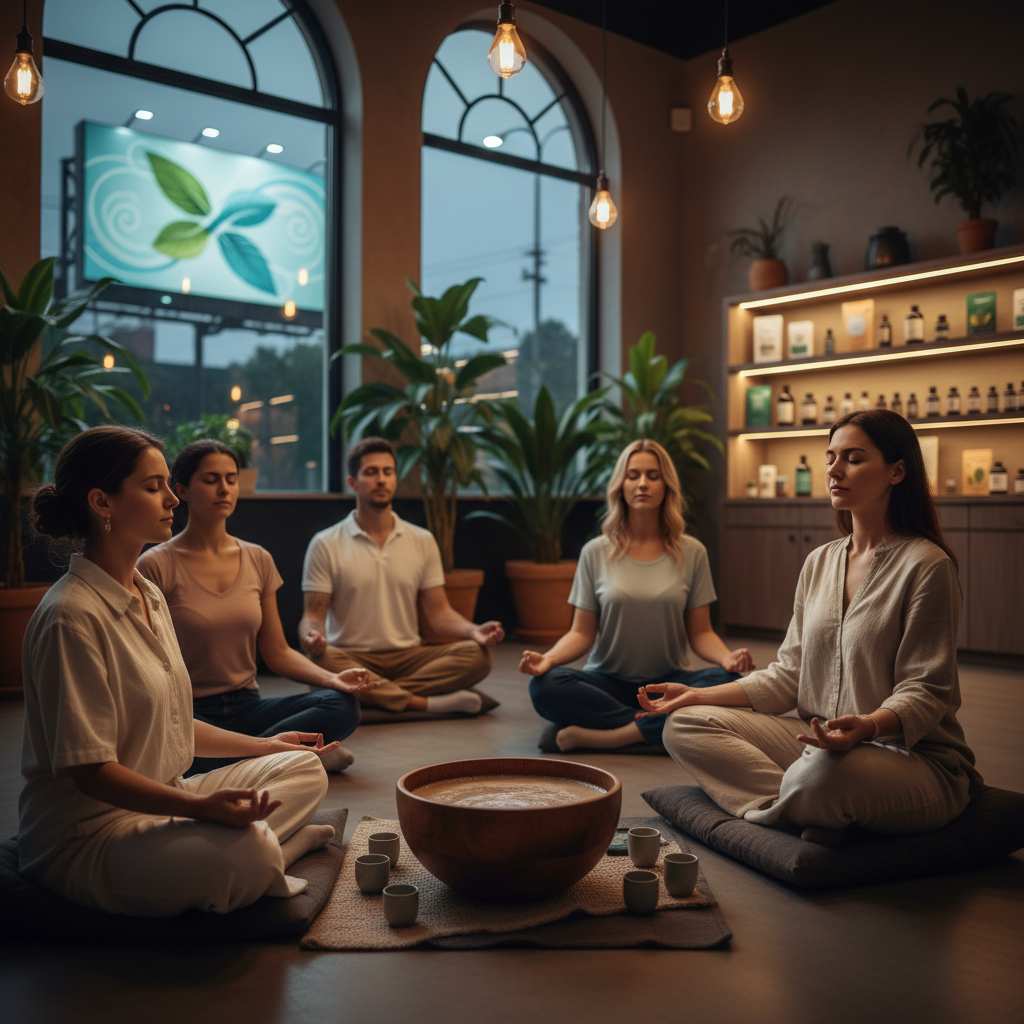
In a refreshing wave of innovation, kava bars across the country are rolling out guided meditation sessions, blending the calming effects of kava with mindfulness practices to create a unique relaxation experience. Meanwhile, the kratom industry is making headlines with new research initiatives focused on the plant’s potential benefits for stress relief. This dual evolution in the kava and kratom spaces highlights a growing interest in natural remedies for mental well-being, drawing both enthusiasts and newcomers into these vibrant communities.
Kava Bars Embrace Mindfulness with Guided Meditation
Kava bars, long cherished as social hubs for relaxation and cultural connection, are taking their mission of tranquility to the next level. Many establishments, from coastal hotspots in California to urban retreats in New York, are now offering guided meditation sessions alongside their signature kava drinks. These sessions, often led by certified mindfulness instructors, aim to amplify the soothing effects of kava, a traditional Polynesian beverage known for its anxiolytic properties.
At places like Pacific Roots Kava Lounge in San Diego, owners have noticed a surge in demand for holistic experiences. “Our customers come to unwind, and kava already sets the tone for calm,” says owner Leilani Moana. “Adding guided meditation felt like a natural extension. It’s about creating a space where people can truly let go of their daily stress.” Sessions typically last 20 to 30 minutes, with participants sipping kava while following breathing exercises and visualization techniques. Some bars even incorporate ambient sounds of ocean waves or Polynesian drumming to enhance the cultural vibe.
This trend isn’t just about relaxation—it’s also a nod to kava’s deep-rooted cultural significance. In traditional Pacific Island ceremonies, kava is consumed in communal settings to foster connection and peace. By pairing it with meditation, kava bars are modernizing these values while appealing to a broader audience seeking mental health support without pharmaceuticals. Social media buzz around hashtags like #KavaMeditation and #MindfulKava shows that the concept is resonating, with attendees sharing stories of feeling “centered” and “rejuvenated” after sessions.
Kratom Industry Dives Deeper into Stress Relief Research
While kava bars innovate on the social front, the kratom industry is doubling down on scientific exploration. Kratom, a Southeast Asian herb derived from the Mitragyna speciosa tree, has long been used traditionally for its potential to alleviate stress and promote relaxation. Now, several industry leaders and independent researchers are funding studies to better understand how kratom’s active compounds, like mitragynine and 7-hydroxymitragynine, interact with the brain to produce calming effects.
Recent preliminary studies, supported by organizations like the American Kratom Association (AKA), suggest that certain kratom strains may influence opioid receptors in ways that reduce anxiety without the addictive risks associated with synthetic alternatives. While these findings are early and require further clinical validation, they’ve sparked excitement among advocates who see kratom as a natural tool for managing modern stressors. “We’re committed to responsible research,” notes AKA spokesperson Emily Tran. “Our goal is to provide solid data that can guide safe usage and inform potential regulations.”
However, the kratom industry faces hurdles in gaining mainstream acceptance. Regulatory bodies like the FDA have expressed concerns over safety and misuse, leading to ongoing debates about standardization and quality control. Despite these challenges, the push for research continues, with some companies partnering with universities in Southeast Asia to study kratom’s effects in its native context. This global collaboration could pave the way for more comprehensive data, potentially influencing how kratom is perceived and utilized worldwide.
Synergy Between Kava and Kratom Communities
The parallel developments in kava bars and the kratom industry underscore a shared mission: promoting natural alternatives for stress relief and mental clarity. While kava is often associated with social relaxation and cultural heritage, kratom tends to attract users seeking personal relief from anxiety or discomfort. Yet, there’s significant overlap in their audiences, with many enthusiasts exploring both substances for complementary effects.
Some kava bars have even started stocking kratom products, though this remains a controversial move due to differing legal statuses across states. Where it’s permitted, bar owners report that offering kratom teas or capsules alongside kava allows patrons to customize their relaxation experience. “It’s about choice,” says Marcus Kealoha, owner of Island Vibes Kava Bar in Miami. “We educate our customers on safe use and let them decide what works for them.”
Education is a key theme uniting both industries. Kava bar meditation sessions often include discussions on the history and benefits of kava, while kratom vendors increasingly emphasize transparency through lab testing and consumer guides. This focus on informed usage reflects a broader cultural shift toward mindful consumption of herbal remedies.
Looking Ahead: A Growing Movement
As kava bars continue to innovate with offerings like guided meditation, they’re not just serving drinks—they’re building sanctuaries for mental wellness. At the same time, the kratom industry’s investment in stress relief research signals a maturing market eager to prove its legitimacy and value. Together, these trends point to a future where natural solutions play a larger role in addressing the global mental health crisis.
For those curious to explore, visiting a local kava bar for a meditation session could be the perfect entry point into this calming world. And as kratom research progresses, staying updated on findings will be crucial for anyone interested in its potential. Both kava and kratom remind us that nature offers powerful tools for peace—if we approach them with respect and curiosity.