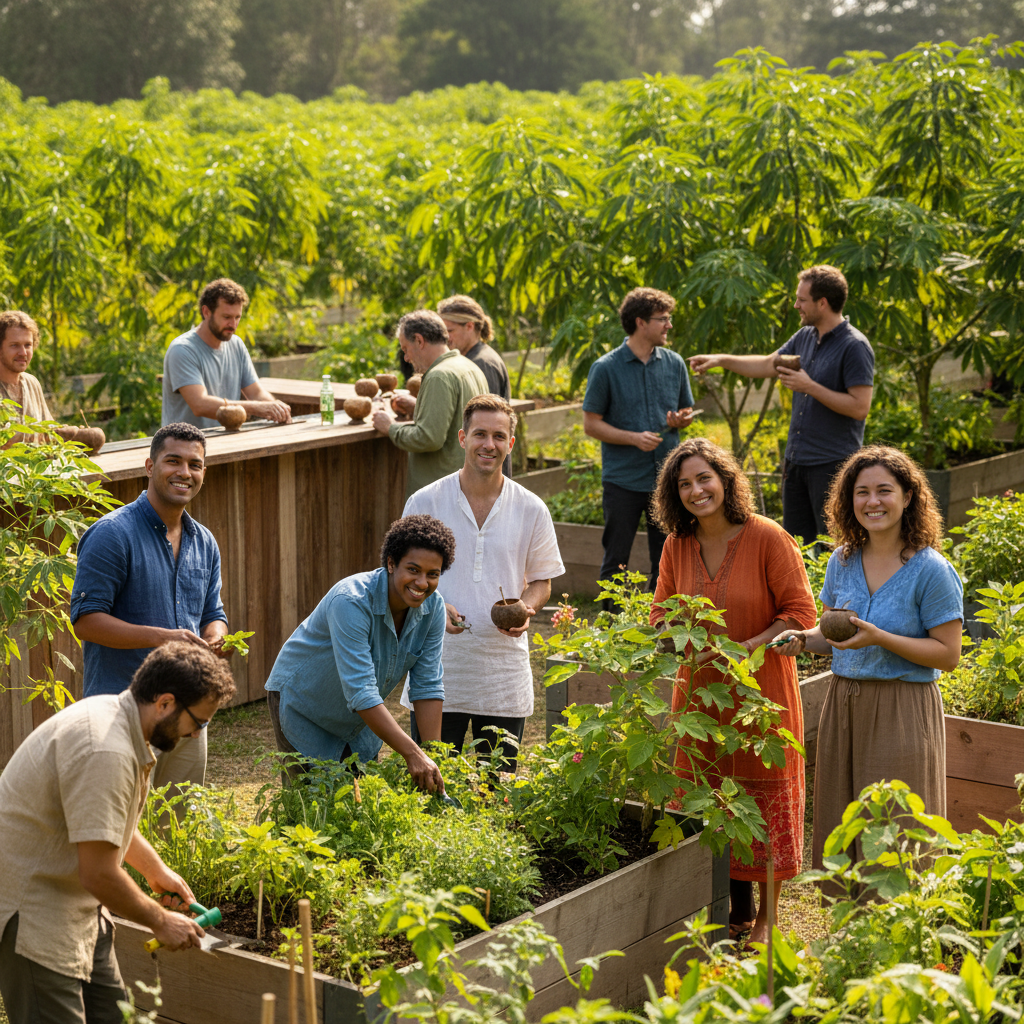
In a vibrant fusion of culture and relaxation, kava bars across the United States are rolling out an exciting new initiative: community art collaborations. Meanwhile, the kratom industry is making waves with promising research into new therapeutic applications. These developments signal a dynamic evolution in both the kava and kratom spaces, offering fresh ways for enthusiasts to engage with these traditional botanicals. Let’s dive into the latest happenings in the kava bar scene and the cutting-edge research shaping the future of kratom.
Kava Bars Embrace Creativity with Community Art Collaborations
Kava bars have long been cherished as communal spaces where people gather to unwind, connect, and sip on the earthy, calming drink made from the roots of the kava plant. Known for its relaxing effects, kava has roots in Pacific Island cultures, where it’s often consumed during social and ceremonial gatherings. Now, kava bars are taking their cultural significance to the next level by integrating community-driven art projects into their spaces.
This innovative trend kicked off in cities like Portland, Miami, and Austin, where kava bars are partnering with local artists to transform their venues into galleries of cultural expression. Customers can sip their kava while surrounded by murals, sculptures, and rotating exhibits inspired by Pacific Island heritage and the spirit of relaxation. Some bars are even hosting live art events, where patrons can watch artists create kava-themed pieces in real time, fostering a deeper appreciation for the drink’s cultural origins.
One standout example is Kava Haven in Portland, which recently unveiled a collaborative mural project depicting traditional kava ceremonies. The bar invited community members to contribute ideas for the design, making it a true reflection of the local kava culture. “We wanted to create a space where art and kava could tell a story together,” said owner Lila Thompson. “It’s about honoring the roots of kava while building a sense of belonging for our customers.”
Beyond aesthetics, these art collaborations are boosting community engagement. Many kava bars are organizing workshops where attendees can learn to paint or craft while enjoying a shell of kava. These events not only attract new patrons but also strengthen the bond between kava bars and their local neighborhoods. For kava enthusiasts, it’s an exciting way to experience the drink in a creative, interactive environment.
Kratom Industry Advances with New Therapeutic Research
While kava bars are innovating on the cultural front, the kratom industry is pushing boundaries in the scientific realm. Kratom, a tropical tree native to Southeast Asia, has been used for centuries in traditional medicine for its potential pain-relieving and mood-enhancing properties. In recent years, it has gained popularity in the West, though it remains a subject of debate due to regulatory scrutiny. Now, emerging research is shedding new light on kratom’s therapeutic potential, offering hope for broader acceptance and understanding.
A recent study conducted by a team of researchers at a leading university explored kratom’s alkaloids—specifically mitragynine and 7-hydroxymitragynine—and their effects on chronic pain and mood disorders. The preliminary findings suggest that kratom may interact with opioid receptors in a way that could provide pain relief without the same level of dependency risk associated with traditional opioids. While the research is still in its early stages, it has sparked excitement among kratom advocates who see this as a step toward legitimizing the plant’s medicinal use.
“This study is a game-changer for the kratom community,” said Dr. Elena Rivera, a botanist involved in the research. “We’re seeing evidence that kratom could offer a natural alternative for managing pain and stress, but we need more clinical trials to fully understand its mechanisms and safety profile.”
In response to these findings, several kratom industry leaders are investing in further studies and advocating for standardized testing to ensure product safety and consistency. Organizations like the American Kratom Association (AKA) are also working to educate policymakers about kratom’s potential benefits, aiming to prevent overly restrictive regulations that could limit access for consumers. This push for research and transparency is crucial as the industry seeks to balance growth with responsibility.
How These Trends Benefit Kava and Kratom Enthusiasts
For fans of kava and kratom, these developments offer exciting new ways to engage with these botanicals. Kava bars’ community art collaborations provide a unique cultural experience that goes beyond simply drinking kava. They create a space for connection, creativity, and education about the drink’s Pacific Island roots. Whether you’re a longtime kava drinker or a curious newcomer, attending an art event at a local kava bar is a fantastic way to immerse yourself in the culture.
On the kratom side, the ongoing research into therapeutic applications could pave the way for more informed usage and wider availability. As scientists uncover more about kratom’s effects, consumers may gain access to better guidance on safe and effective use. This is especially important given the controversies surrounding kratom, as evidence-based research can help separate fact from misinformation.
What’s Next for Kava Bars and the Kratom Industry?
As kava bars continue to innovate with initiatives like community art collaborations, we can expect to see even more creative ideas emerge. Some bar owners are already brainstorming ways to incorporate storytelling nights or cultural dance performances into their spaces, further enriching the kava experience. These efforts not only attract diverse crowds but also help preserve and share the traditions tied to kava.
In the kratom industry, the focus on research and advocacy is likely to intensify. With more studies underway, the next few years could bring significant breakthroughs in understanding kratom’s potential benefits and risks. Industry stakeholders are hopeful that this scientific progress will lead to fair regulations that protect consumers while allowing responsible access to kratom products.
Both kava and kratom are rooted in rich cultural histories, and their modern evolution reflects a deep respect for tradition combined with a forward-thinking approach. Whether you’re sipping kava in a creatively adorned bar or staying updated on kratom’s scientific advancements, there’s never been a more exciting time to be part of this community.