As we move into 2026, the kava and kratom industries continue to evolve with exciting developments that cater to enthusiasts and newcomers alike. Kava bars across the United States are rolling out artisan blends that elevate the traditional kava experience, while the kratom industry is making significant strides in strengthening global supply chains to ensure quality and sustainability. This dual momentum highlights the growing cultural and economic impact of these two herbal powerhouses.
Kava Bars Redefine Tradition with Artisan Blends
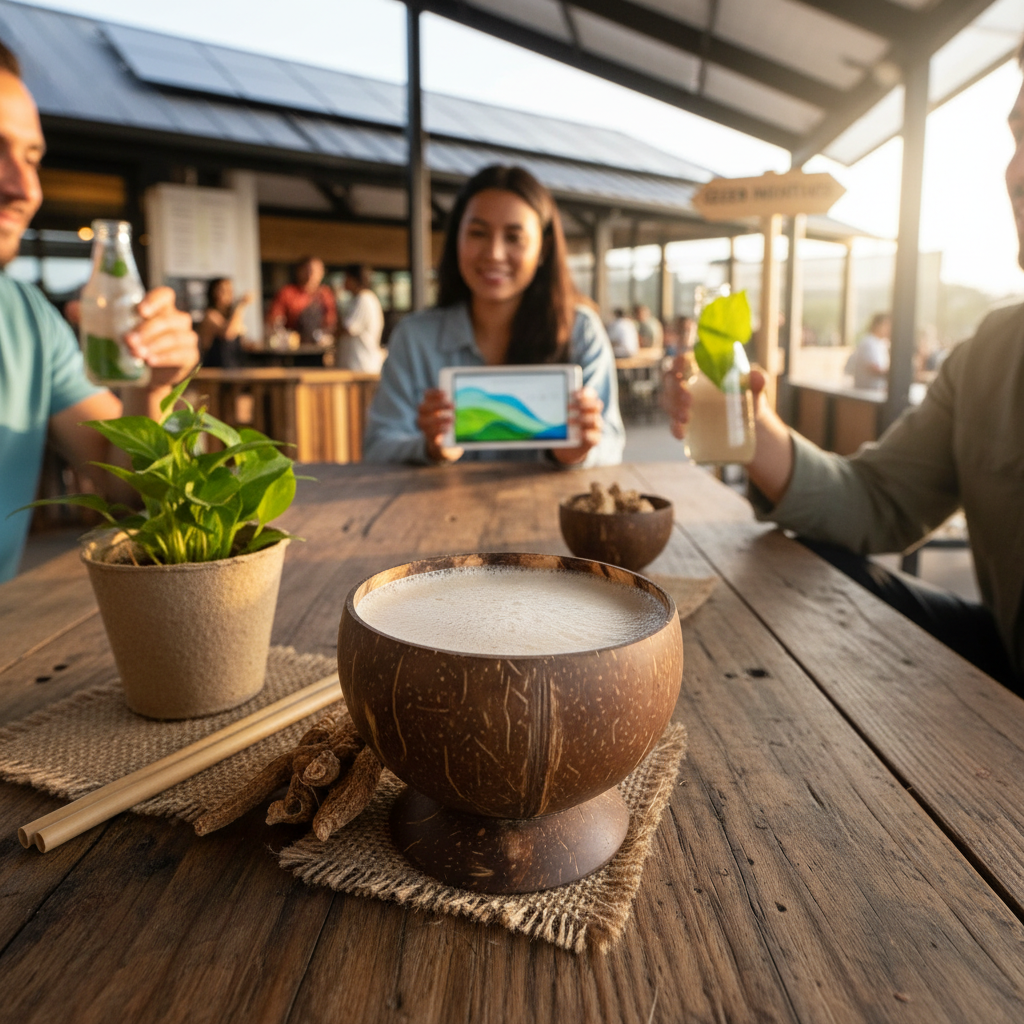
Kava bars, long celebrated as hubs of relaxation and community, are taking innovation to the next level in 2026 by introducing artisan blends. These unique concoctions go beyond the classic kava root drink, incorporating complementary flavors and natural ingredients to enhance both taste and effect. From coconut-infused kava to hints of tropical fruits like mango and pineapple, bar owners are experimenting with recipes that appeal to modern palates while honoring the drink’s South Pacific roots.
At places like Pacific Calm Kava Lounge in Seattle, patrons can now enjoy a menu featuring signature blends such as the 'Tropical Tanoa,' a mix of premium Fijian kava with a splash of passionfruit essence. “We wanted to create something that feels fresh but still respects the cultural significance of kava,” says lounge owner Mia Lakau. “These artisan blends are a way to introduce kava to a broader audience while keeping the traditional preparation methods intact.”
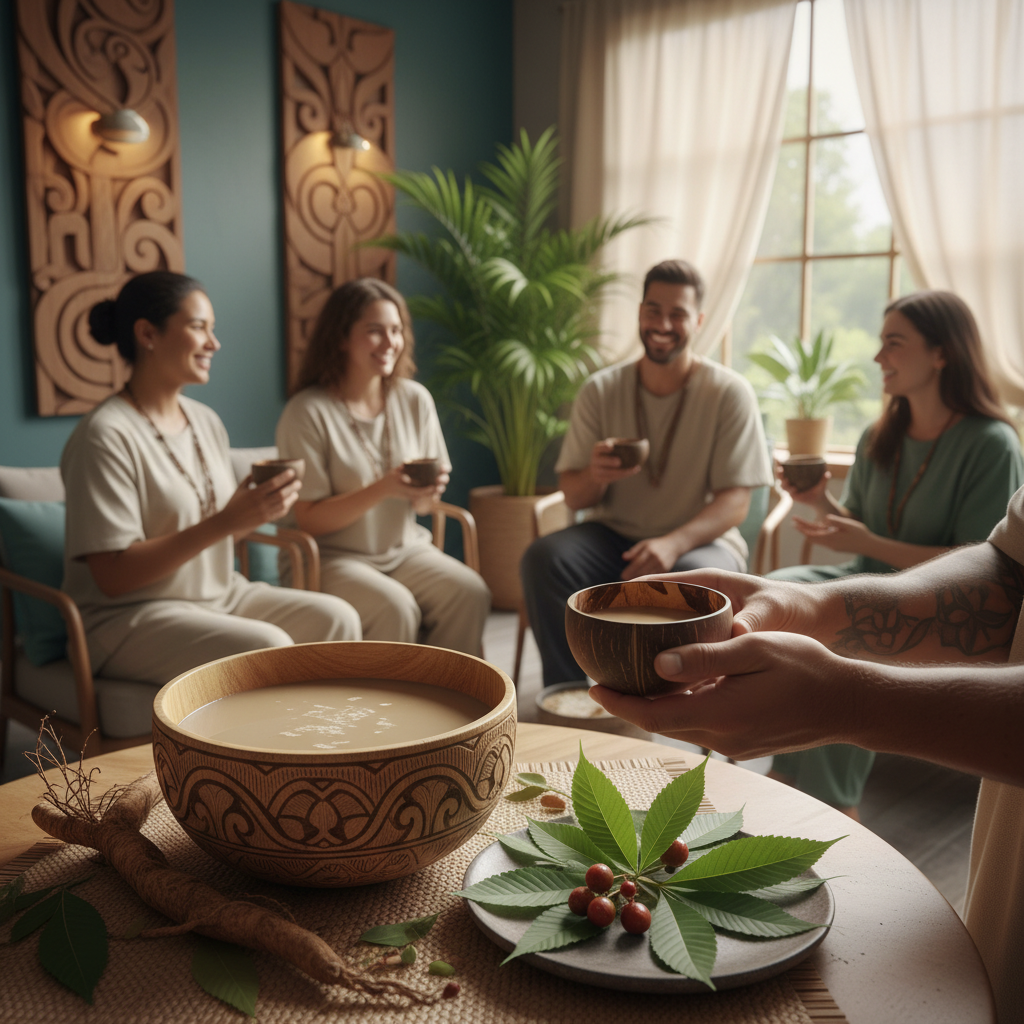
This trend isn’t just about flavor—it’s also about education. Many kava bars are hosting tasting events and workshops to teach customers about the origins of different kava strains, such as Vanuatu’s Borogu or Hawaii’s Mahakea, and how they contribute to varying levels of relaxation and mental clarity. These initiatives are fostering a deeper appreciation for kava culture and helping to cement kava bars as vital social spaces in cities nationwide.
Kava’s Calming Benefits Gain Traction
Adding fuel to the kava bar boom is a renewed interest in kava’s well-documented health benefits. Often referred to as nature’s stress reliever, kava has been used for centuries in Polynesian cultures to promote relaxation and reduce anxiety. Recent discussions among wellness communities in 2026 have spotlighted kava’s active compounds, known as kavalactones, which are believed to interact with the brain’s GABA receptors to induce a calming effect without the impairment associated with alcohol.
While scientific studies continue to explore kava’s full potential, anecdotal evidence from kava bar regulars speaks volumes. “I’ve struggled with stress for years, and kava has been a game-changer,” shares regular patron Ethan Carter from a kava bar in Austin, Texas. “It’s not just the drink; it’s the whole vibe of the bar that helps me unwind.” As more people seek natural alternatives to manage daily pressures, kava’s reputation as a safe, non-addictive option is driving its popularity.
However, experts remind users to consume kava responsibly, emphasizing the importance of sourcing high-quality, noble kava strains to avoid potential side effects. Kava bars are stepping up by partnering with trusted suppliers and ensuring transparency about the origins of their products, further solidifying consumer trust.
Kratom Industry Bolsters Global Supply Chains
Meanwhile, on the kratom front, the industry is addressing one of its most pressing challenges in 2026: supply chain reliability. Kratom, derived from the leaves of the Mitragyna speciosa tree native to Southeast Asia, has faced scrutiny over inconsistent quality and availability due to complex international sourcing networks. This year, key industry players are taking bold steps to streamline operations and ensure a steady flow of ethically sourced kratom to meet rising demand.
Organizations like the American Kratom Association (AKA) are advocating for stricter quality control measures and working with farmers in countries like Indonesia and Thailand to implement sustainable harvesting practices. These efforts are not only improving product consistency but also supporting local communities that rely on kratom cultivation for their livelihoods. “A stable supply chain benefits everyone—from the farmers to the consumers,” notes AKA spokesperson Laura Bennett. “We’re committed to fostering partnerships that prioritize quality and fairness.”
In addition to sustainability, technology is playing a crucial role in modernizing the kratom supply chain. Advanced tracking systems are being adopted to monitor shipments from origin to market, reducing the risk of contamination or misrepresentation. This transparency is critical as kratom continues to gain traction for its reported benefits, including pain relief and energy enhancement, though it remains a topic of regulatory debate in several regions.
The Intersection of Kava and Kratom Culture
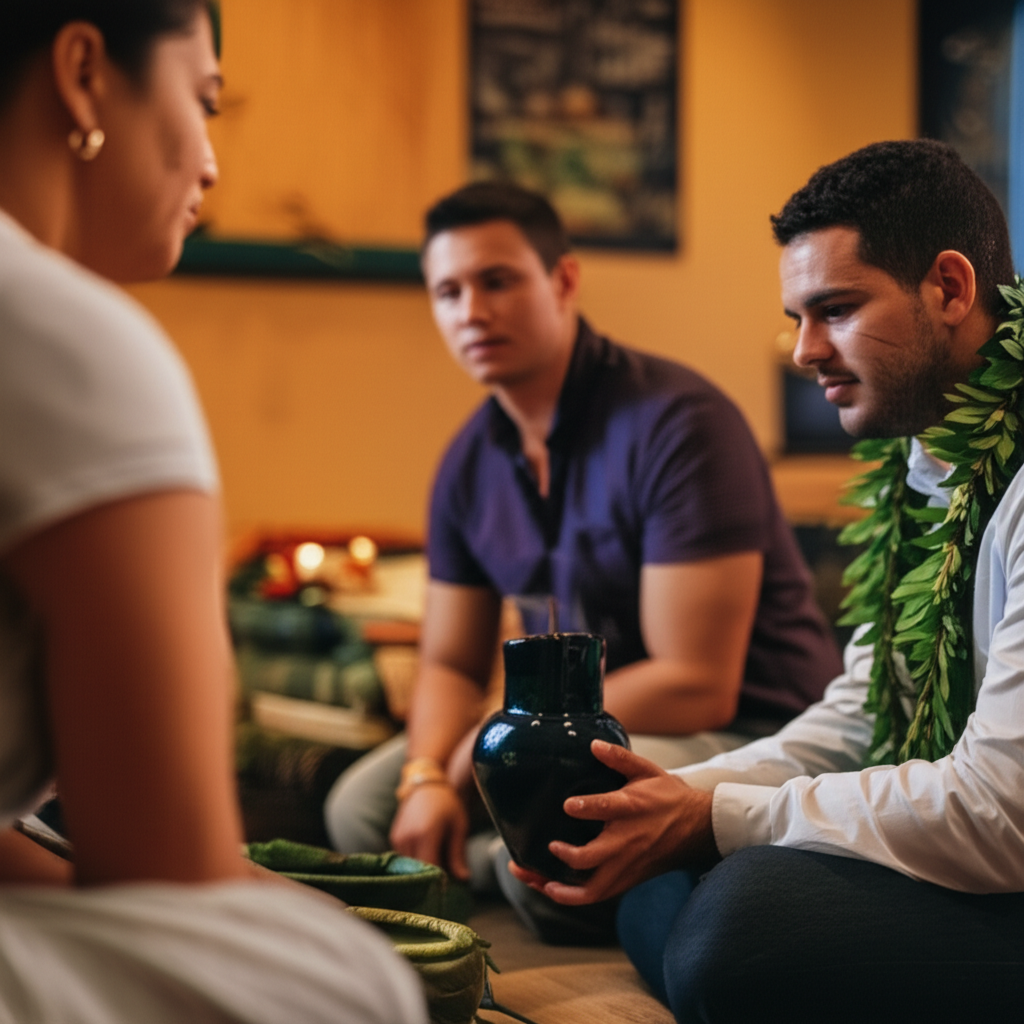
While kava and kratom serve different purposes—kava for relaxation and kratom often for stimulation or pain management—their respective communities are increasingly overlapping. Some kava bars are beginning to offer kratom-infused teas or powders alongside their kava menus, creating hybrid spaces where enthusiasts can explore both botanicals. However, this trend comes with a caveat: education is key to ensuring safe consumption, as combining the two can produce unpredictable effects.
Industry leaders stress the importance of informed choices. “Both kava and kratom have unique properties, and it’s essential to understand how they work before mixing them,” advises Dr. Hannah Rei, a herbalist specializing in natural remedies. Kava bars pioneering these dual offerings are prioritizing staff training to guide customers on proper usage and dosage, reinforcing their role as trusted community hubs.
Looking Ahead: A Bright Future for Kava and Kratom
As 2026 unfolds, the kava and kratom industries are poised for continued growth, driven by innovation and a commitment to quality. Kava bars are transforming the social landscape with their artisan blends and cultural events, offering a refreshing alternative to traditional nightlife. Simultaneously, the kratom sector’s focus on robust supply chains signals a maturing industry ready to meet global demand responsibly.
For fans of these ancient botanicals, the future looks promising. Whether you’re sipping a creatively crafted kava drink at your local lounge or exploring kratom’s potential through trusted vendors, there’s never been a better time to engage with this vibrant, evolving world. Stay tuned for more updates as kava bars and the kratom industry continue to shape wellness and community in exciting new ways.