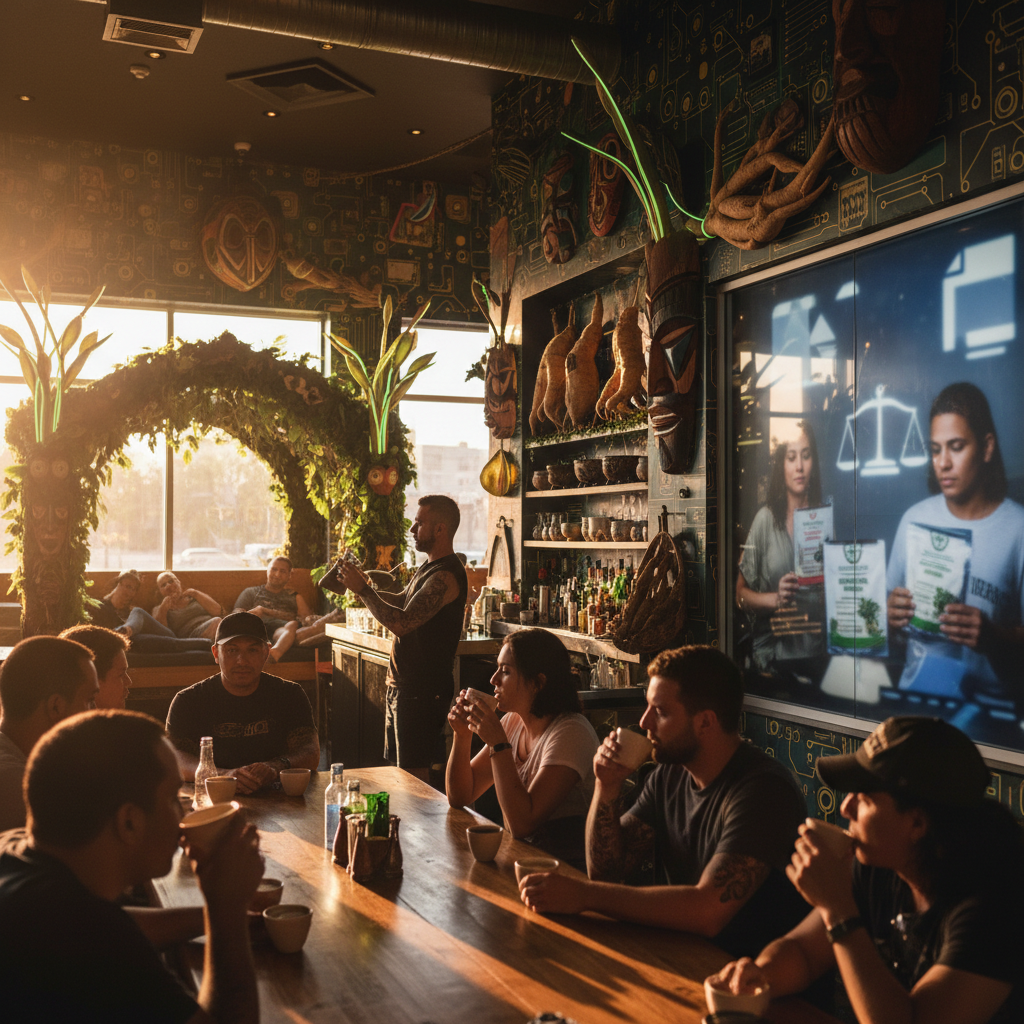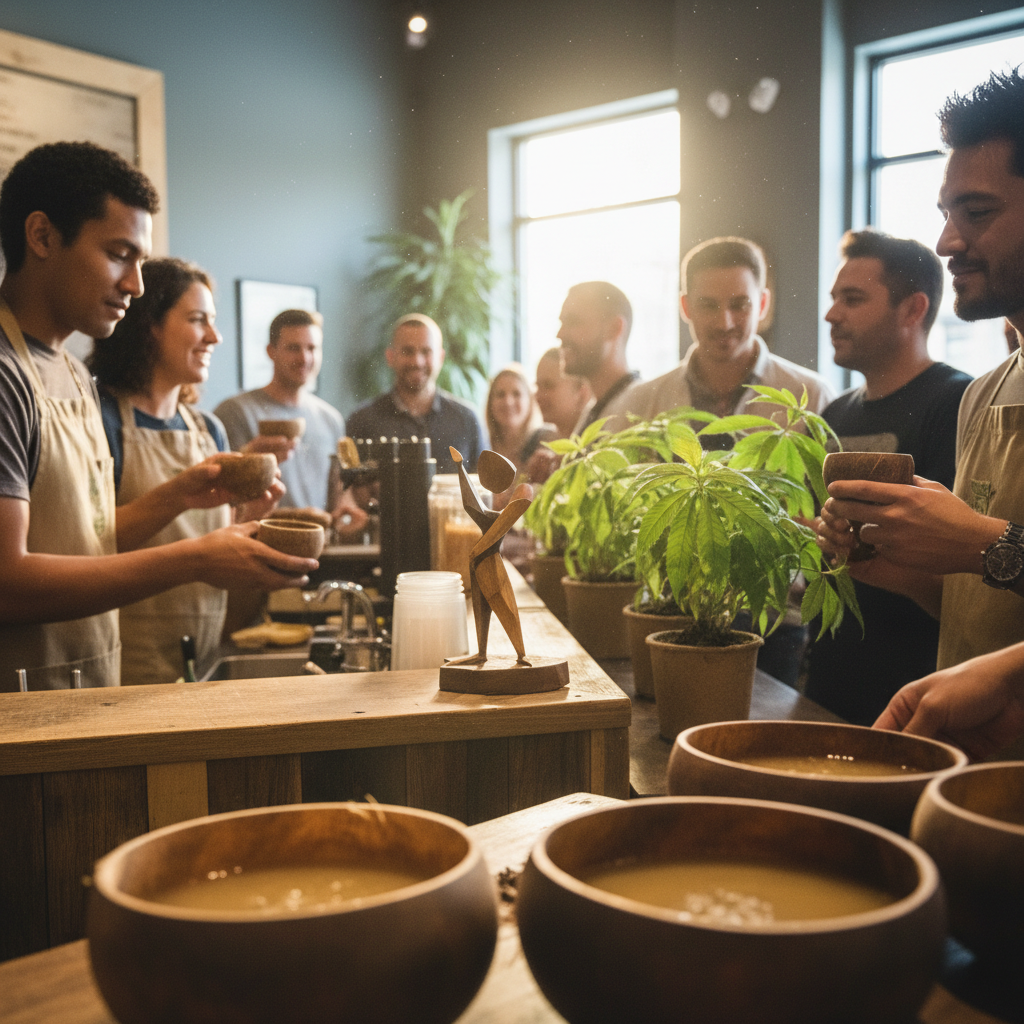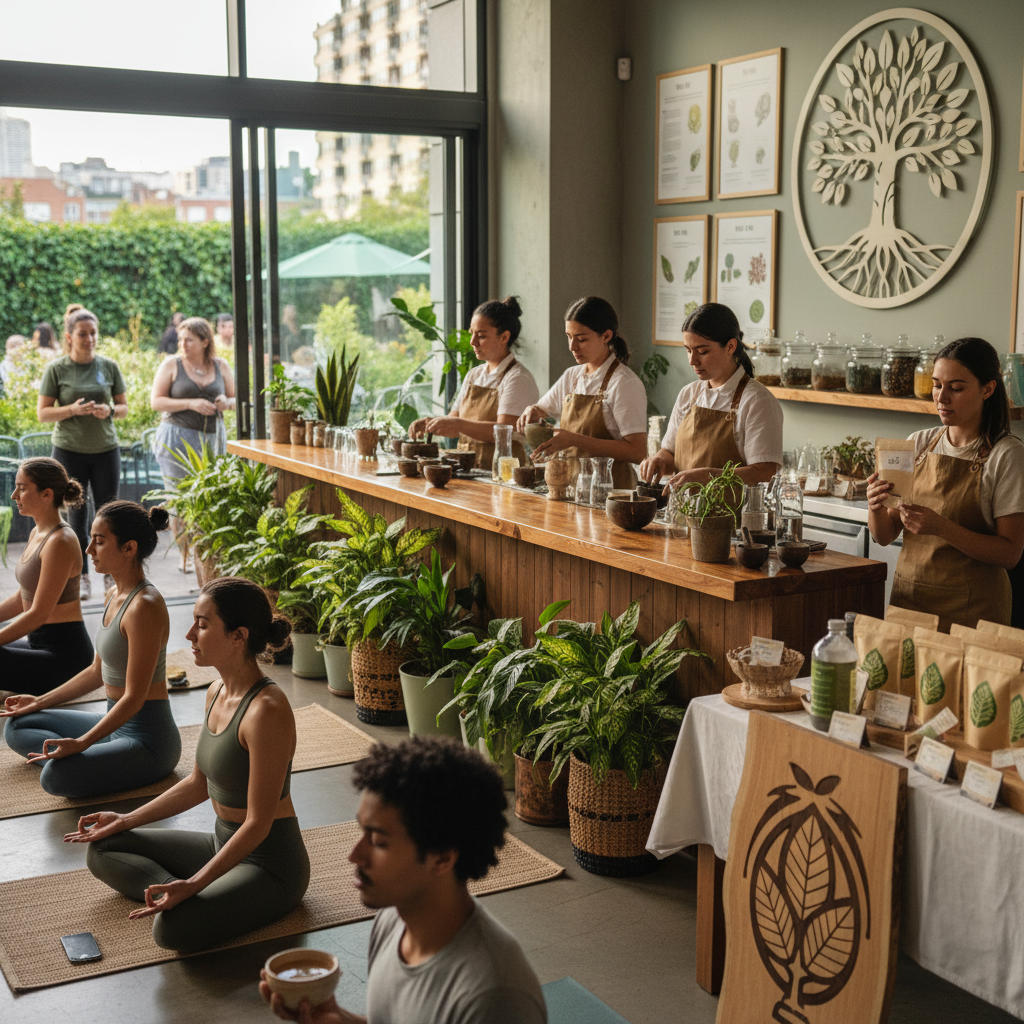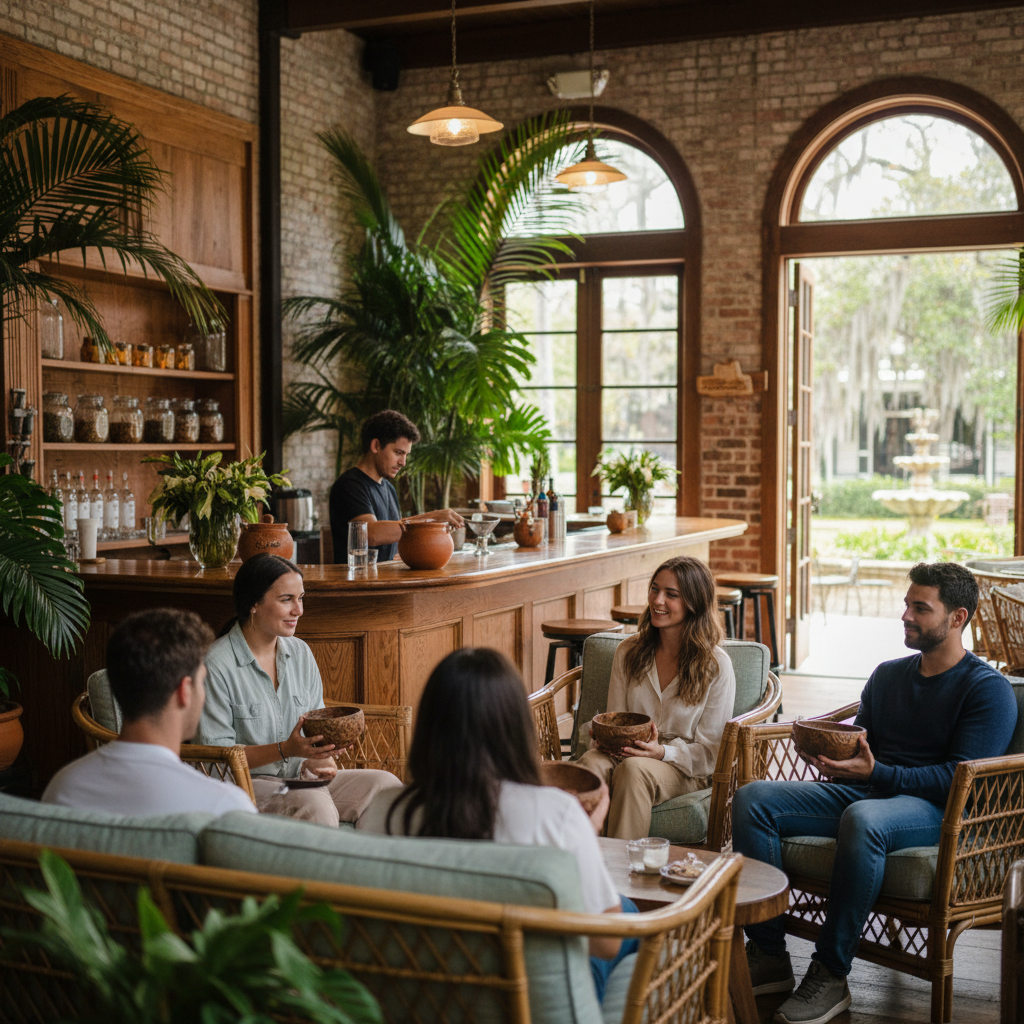
As the demand for natural relaxation alternatives continues to rise, kava bars are carving out a significant niche in the wellness and social scenes across the United States. In 2026, one of the most notable trends is the rapid expansion of kava bars in the Southeast, where states like Florida, Georgia, and North Carolina are becoming hotbeds for this unique cultural phenomenon. This growth reflects not only the increasing popularity of kava as a stress-relieving beverage but also a shift in how communities are embracing non-alcoholic social spaces.
The Rise of Kava Bars in the Southeast
Kava, a traditional Polynesian drink made from the root of the Piper methysticum plant, has long been celebrated for its calming effects. Historically used in ceremonial and social settings across the Pacific Islands, kava has found a new home in modern kava bars, where patrons gather to unwind without the influence of alcohol. In the Southeast, this trend is gaining momentum, with new kava bars opening at an unprecedented rate.
Florida, often considered the epicenter of the U.S. kava movement, now boasts over 50 kava bars, with cities like St. Petersburg, Miami, and Orlando leading the charge. Georgia is not far behind, with Atlanta emerging as a hub for kava enthusiasts, thanks to its vibrant wellness community. North Carolina, particularly in Asheville—a city known for its alternative health scene—has seen a surge of kava bar openings, catering to locals and tourists seeking a laid-back, alcohol-free experience.
These establishments are more than just places to sip kava; they are community hubs. Many kava bars in the Southeast host live music, open mic nights, and wellness workshops, fostering a sense of connection among patrons. This unique blend of relaxation and socialization is a key driver behind their rapid expansion.
Why the Southeast? A Perfect Storm for Kava Culture
Several factors contribute to the Southeast’s emergence as a kava bar stronghold. First, the region’s warm climate and laid-back lifestyle align perfectly with the tropical origins of kava, making it an easy cultural fit. Additionally, the Southeast has a growing population of health-conscious individuals who are eager to explore natural alternatives to alcohol and pharmaceuticals for stress relief.
Local entrepreneurs are also playing a significant role. Many kava bar owners in the region are passionate advocates for the drink’s benefits, often sourcing high-quality kava directly from Pacific Island farmers to ensure authenticity and potency. This dedication to quality resonates with consumers who value transparency and sustainability in the products they consume.
Furthermore, the Southeast’s regulatory environment has been relatively welcoming to kava bars compared to other regions. While kava remains a niche product with varying levels of scrutiny, states in the Southeast have generally adopted a hands-off approach, allowing businesses to thrive without excessive legal hurdles. This contrasts with the more restrictive policies surrounding kratom, a related herbal product, in some parts of the country.
Kava’s Health Benefits: Fueling the Trend
The expansion of kava bars in the Southeast is also supported by growing awareness of kava’s potential health benefits. Recent studies have reinforced what traditional users have known for centuries: kava can be a powerful tool for managing anxiety and promoting relaxation. A 2025 meta-analysis published by a leading herbal medicine journal found that kavalactones—the active compounds in kava—have a measurable impact on reducing symptoms of mild to moderate anxiety without the risk of dependency associated with some pharmaceutical options.
Beyond anxiety relief, kava is also praised for its ability to enhance social bonding without the impairment often associated with alcohol. Patrons of Southeast kava bars frequently describe feeling a gentle sense of euphoria and mental clarity after consuming kava, making it an ideal choice for social settings. This unique combination of effects has positioned kava as a go-to option for those seeking a mindful way to unwind after a long day.
However, it’s worth noting that kava is not without controversy. Concerns about potential liver toxicity have been raised in the past, though recent research suggests that adverse effects are rare and often linked to poor-quality kava or excessive consumption. Kava bar owners in the Southeast are addressing these concerns by educating patrons on safe consumption practices and prioritizing high-quality, lab-tested products.
The Future of Kava Bars in the Southeast
As kava bars continue to proliferate in the Southeast, industry experts predict that this region could become the blueprint for nationwide expansion. The success of these establishments highlights a broader cultural shift toward wellness-focused social spaces, where people can connect without the need for alcohol or other intoxicants.
Looking ahead, some kava bar owners are exploring ways to integrate other herbal products, like kratom, into their offerings, though this comes with additional regulatory challenges. Kratom, derived from the leaves of the Mitragyna speciosa tree, shares some similarities with kava in terms of its calming and mood-enhancing effects, but its legal status remains contentious in many states. For now, most Southeast kava bars are focusing solely on kava to avoid complications, though the potential for hybrid kava-kratom lounges remains a topic of discussion within the industry.
Another exciting development is the potential for kava bars to collaborate with local wellness practitioners. Imagine a kava bar that offers yoga classes, meditation sessions, or even acupuncture alongside a refreshing kava shell. Such innovations could further solidify kava bars as pillars of holistic health in the Southeast and beyond.
Conclusion: A New Era of Relaxation
The rapid growth of kava bars in the Southeast signals a new era in relaxation culture, one that prioritizes natural remedies and community connection over traditional nightlife options. As more people discover the soothing effects of kava, these bars are likely to become even more ingrained in the region’s social fabric. Whether you’re a longtime kava enthusiast or a curious newcomer, the Southeast’s burgeoning kava bar scene offers a welcoming space to explore this ancient beverage and its modern applications.
Have you visited a kava bar in the Southeast yet? Share your experience in the comments below, or let us know if there’s a new spot we should check out. As this trend continues to grow, we’ll be keeping a close eye on how kava culture evolves in this dynamic region.