As urban life becomes increasingly fast-paced, a new trend is emerging to help city dwellers unwind: kava bars. These unique establishments, centered around the traditional Polynesian drink kava, are popping up in major cities across the United States, offering a non-alcoholic alternative for relaxation and socialization. With roots in Pacific Island culture, kava is gaining mainstream attention for its calming effects, and kava bars are becoming the go-to spots for those seeking a stress-free environment.
What Are Kava Bars, and Why Are They Gaining Popularity?
Kava bars are venues that specialize in serving kava, a beverage made from the ground roots of the kava plant (Piper methysticum). Traditionally consumed in countries like Fiji, Vanuatu, and Tonga, kava has been used for centuries in ceremonial and social settings due to its relaxing properties. The drink is known for inducing a mild sense of calm without impairing cognitive function, making it an appealing choice for those looking to de-stress without the effects of alcohol.
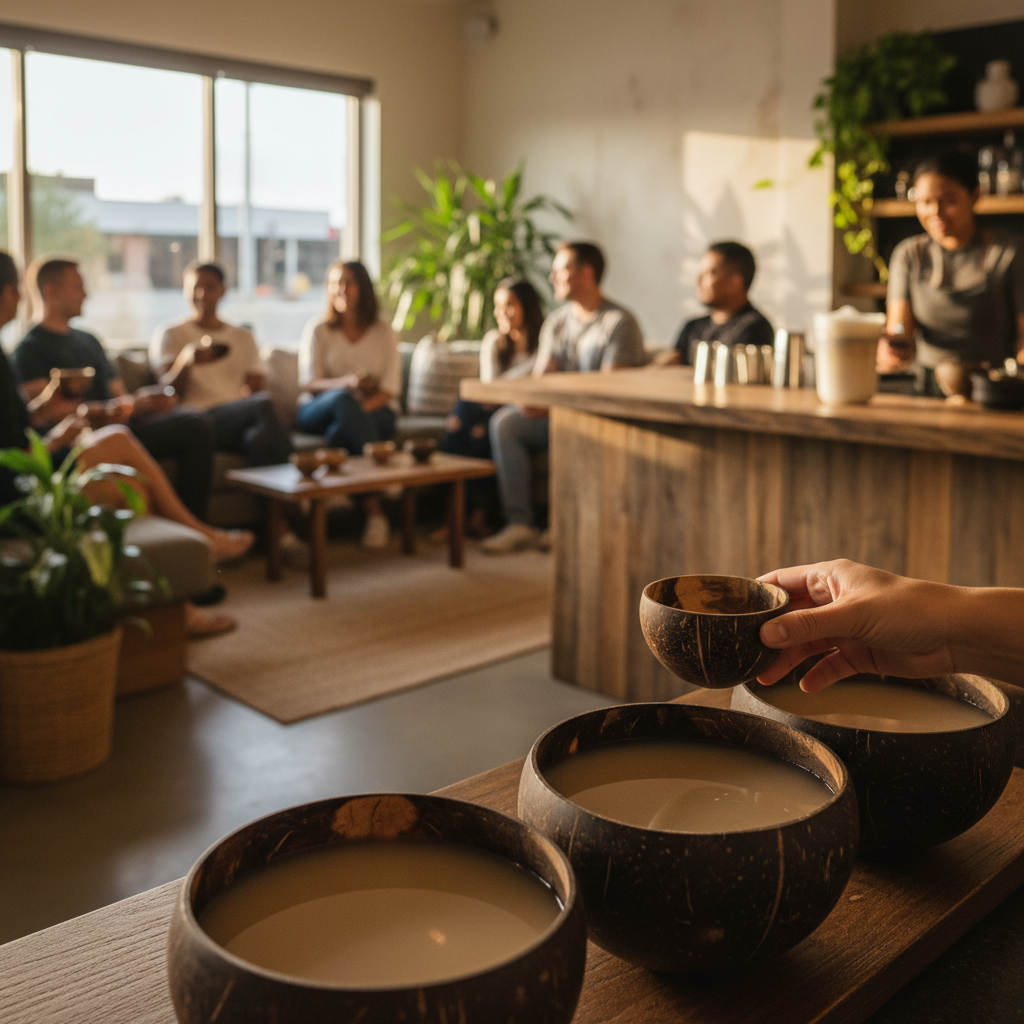
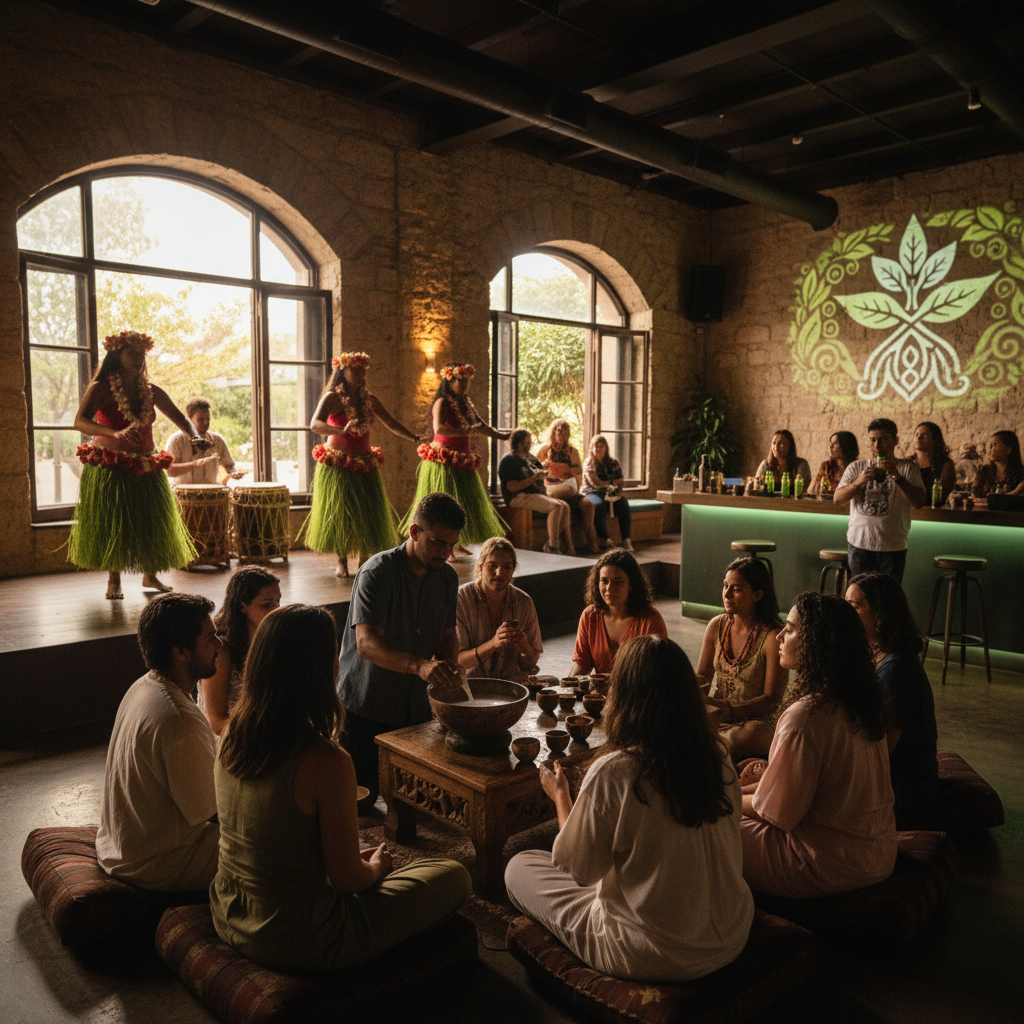
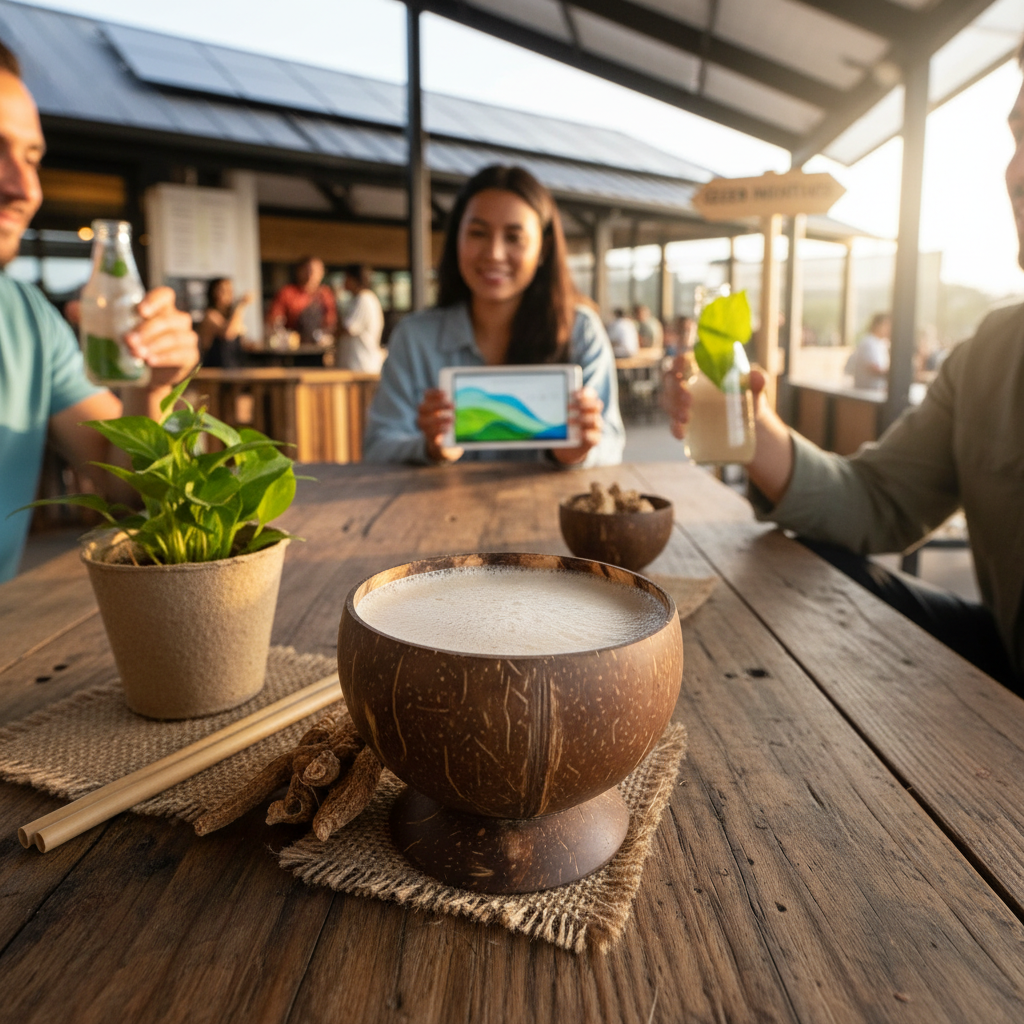
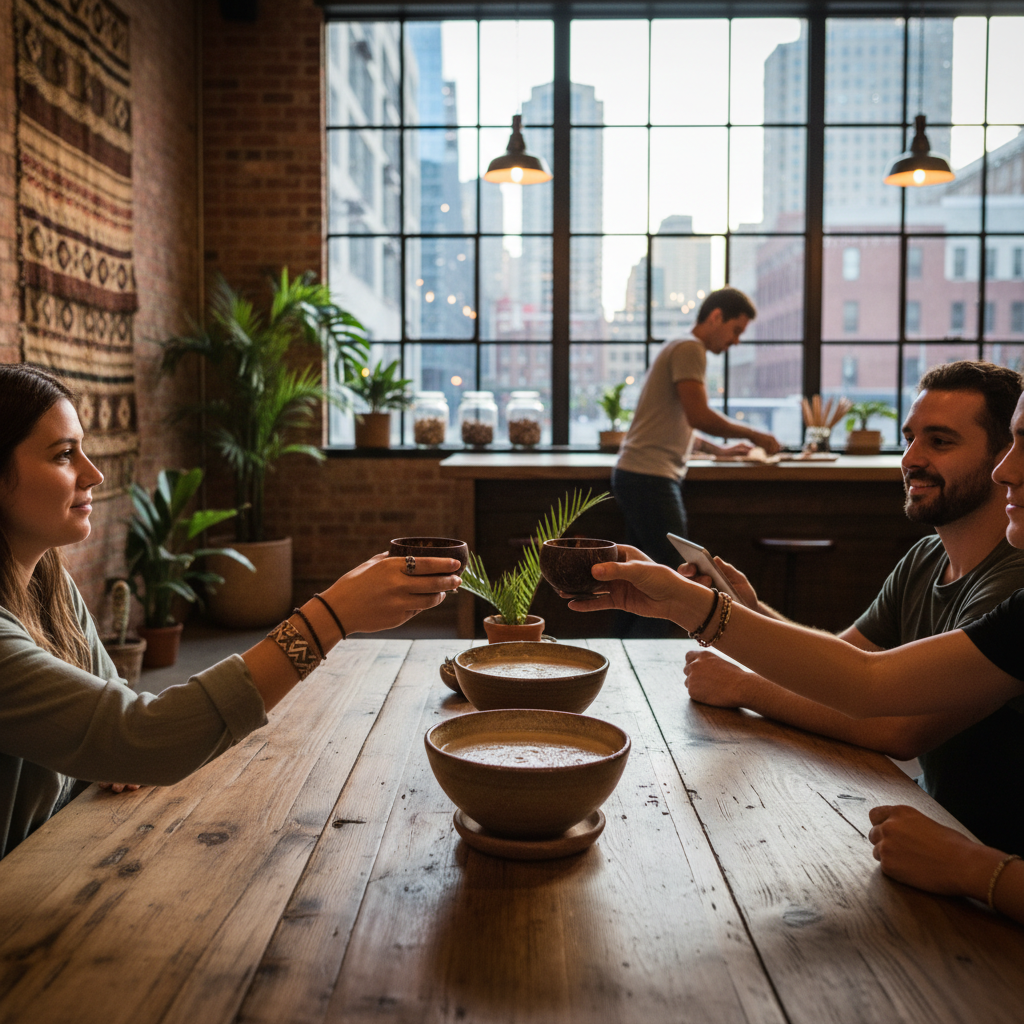
In recent years, kava bars have exploded in popularity, particularly in urban centers like Los Angeles, Miami, and New York City. These bars offer a laid-back atmosphere, often decorated with tropical or cultural motifs that pay homage to kava’s Pacific origins. Patrons can sip on kava served in traditional coconut shells or modern glasses, often paired with light snacks or herbal teas. Many kava bars also host live music, community events, or kava education sessions, creating a unique social hub for health-conscious individuals.
The rise in demand for non-alcoholic social spaces is a key driver behind this trend. With the growing “sober curious” movement, more people are seeking alternatives to bars and clubs that center around alcohol. Kava bars provide a welcoming space for those who want to connect with others while prioritizing wellness. Additionally, the reported health benefits of kava, such as anxiety reduction and muscle relaxation, are drawing in curious newcomers eager to experience this ancient drink.
The Growth of the Kava Industry: Opportunities and Challenges
The surge in kava bars is part of a larger boom in the kava industry. According to industry reports, the global kava market is expected to grow significantly over the next decade, fueled by increasing consumer interest in natural and plant-based remedies. Small businesses and entrepreneurs are capitalizing on this trend, opening kava bars and launching kava-based products like instant mixes, capsules, and tinctures for at-home use.
However, the kava industry faces its share of challenges. One major hurdle is sourcing high-quality kava. Authentic, noble kava varieties—those traditionally used for consumption—are preferred for their balanced effects and safety profile. Yet, supply chain issues and the risk of adulteration with lower-quality or potentially harmful kava strains remain concerns. Kava bar owners often emphasize their commitment to ethical sourcing, working directly with Pacific Island farmers to ensure purity and support sustainable agriculture.
Regulation is another obstacle. While kava is legal in the United States, some countries have imposed restrictions due to past concerns over liver toxicity, which have since been largely debunked when using noble kava strains. In the U.S., the Food and Drug Administration (FDA) has issued advisories but has not banned kava, leaving it in a gray area. This uncertainty can make it difficult for kava businesses to navigate compliance and educate consumers about safe usage. Despite these challenges, advocacy groups like the American Kava Association are working to establish clear guidelines and promote responsible consumption.
Health Benefits of Kava: What Draws People to the Drink?
One of the main reasons kava bars are thriving is the drink’s reputation for promoting relaxation. Kava contains active compounds called kavalactones, which interact with the brain to produce a calming effect. Numerous anecdotal reports and preliminary studies suggest that kava may help reduce symptoms of anxiety, improve sleep quality, and alleviate stress—benefits that resonate deeply in today’s high-pressure world.
Unlike alcohol, kava does not cause hangovers or impair mental clarity when consumed in moderation. Many kava bar patrons describe feeling a gentle euphoria or a sense of well-being, often accompanied by a slight numbing sensation in the mouth due to kava’s natural properties. For those who struggle with social anxiety, kava offers a way to relax in social settings without relying on alcohol or other substances.
However, experts caution that kava should be consumed responsibly. Overuse or consumption of low-quality kava can lead to side effects like dry skin or, in rare cases, liver strain. Kava bars play a crucial role in educating customers about proper dosages and encouraging moderation, often displaying information about kava’s effects and potential risks. This transparency helps build trust and fosters a positive reputation for kava as a wellness-focused beverage.
Kava Bars as Cultural Ambassadors
Beyond serving drinks, kava bars are becoming cultural ambassadors, introducing patrons to the rich traditions of the Pacific Islands. Many bar owners take pride in sharing the history and significance of kava, from its role in community bonding to its use in sacred rituals. Some kava bars even incorporate traditional preparation methods, allowing customers to witness the process of straining kava root powder through a cloth to create the earthy, bitter drink.
This cultural education is vital, as it helps prevent the commodification of kava and ensures respect for its origins. Events like kava ceremonies or storytelling nights are common in these spaces, offering a glimpse into the values of community and connection that kava represents in Polynesian culture. For many urbanites, visiting a kava bar is not just about relaxation—it’s an opportunity to engage with a centuries-old tradition in a modern context.
What’s Next for Kava Bars and the Industry?
As kava bars continue to multiply, the future looks promising for this niche industry. Some entrepreneurs are experimenting with hybrid models, combining kava bars with yoga studios, meditation centers, or even kratom offerings—another herbal supplement known for its mood-enhancing effects. While kratom remains more controversial due to regulatory scrutiny, its inclusion in some kava bars highlights the growing interest in plant-based alternatives for wellness.
Industry experts predict that kava bars will expand into smaller cities and suburban areas as awareness grows. Additionally, innovations in kava products, such as flavored drinks or ready-to-mix powders, could make the beverage more accessible to a wider audience. However, maintaining authenticity and cultural respect will be crucial as the industry scales.
For now, kava bars stand as a testament to the power of ancient traditions in modern life. They offer a sanctuary for relaxation, a bridge to Pacific Island culture, and a reminder that slowing down is possible—even in the busiest of cities. Whether you’re a seasoned kava enthusiast or a curious newcomer, these bars invite you to sip, relax, and connect in a way that’s both timeless and timely.