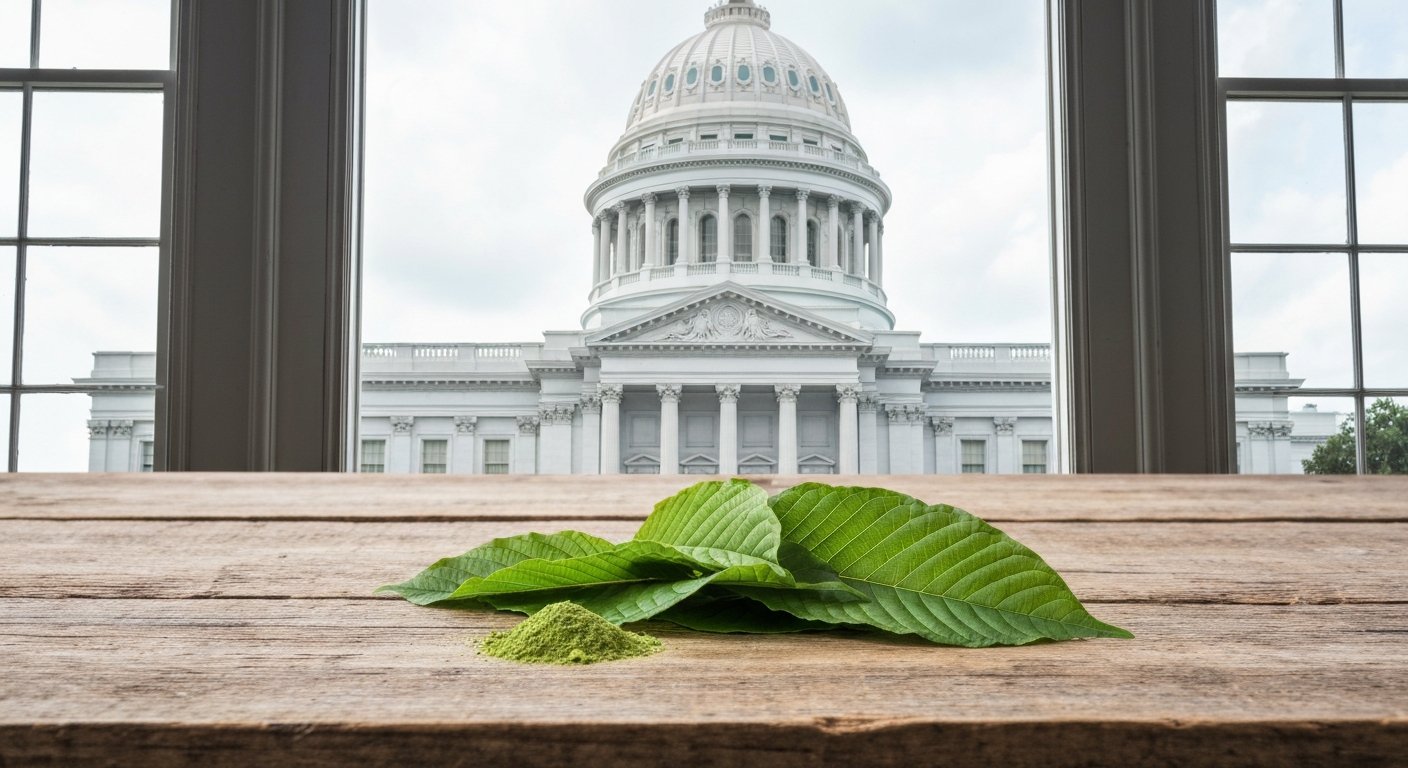
As we step into February 2026, the world of herbal supplements is once again under the microscope, with Florida lawmakers pushing forward ambitious new legislation on kratom. This natural substance, derived from a Southeast Asian tree, has long divided opinions—praised by some as a helpful alternative for pain relief and hailed by others as a dangerous opioid-like drug. The proposed bills in Florida aim to impose strict warning labels and regulations, sparking fierce debates among advocates who argue that these measures unfairly tilt the scales toward synthetic producers at the expense of natural, leaf-based products and beloved kava bars. Meanwhile, California's Governor Gavin Newsom has escalated his own crackdown on kratom and related compounds like 7-OH, adding fuel to a nationwide conversation about regulation, safety, and consumer choice.
What is Kratom and Why Is It Controversial?
Kratom, scientifically known as Mitragyna speciosa, is a tropical tree native to Southeast Asia whose leaves have been used for centuries in traditional medicine. Users often consume it in forms like powdered leaves, capsules, or teas, citing benefits such as pain management, mood enhancement, and even help with opioid withdrawal. However, its active compounds, mitragynine and 7-hydroxymitragynine, can produce effects similar to opioids at higher doses, raising red flags among health experts and regulators.
The controversy surrounding kratom stems from its dual nature: it's lauded by advocates for its potential therapeutic uses, but criticized for risks including addiction, overdose, and inconsistent quality in products. In the United States, the FDA has issued warnings about kratom's safety, linking it to dozens of deaths, yet proponents point to studies suggesting it could be a safer alternative to prescription opioids amid the ongoing addiction crisis. As Florida and California tighten their grips, this debate highlights the broader challenge of regulating natural substances in a market flooded with both legitimate and counterfeit options.
According to recent surveys, kratom use has surged in the past decade, with millions of Americans turning to it for self-medication. But without standardized regulations, consumers are left navigating a murky landscape, where purity and dosage vary wildly. This section of the article delves into the science behind kratom, exploring how its alkaloids interact with the body's receptors and why experts are divided on its classification as a controlled substance.
Florida's Proposed Kratom Legislation: A Closer Look
In early 2026, Florida legislators introduced bills that would mandate strict warning labels on kratom products, similar to those on tobacco or alcohol, warning users about potential side effects, addiction risks, and the lack of FDA approval. These regulations also include requirements for third-party testing, age restrictions for purchase, and limits on allowable concentrations of active ingredients. Proponents of the bills argue that these measures are essential for public health, especially given reports of kratom-related hospitalizations in the state.
The legislation draws inspiration from existing laws in other states, but advocates for kratom are crying foul. They contend that by imposing such burdens, the bills inadvertently favor large synthetic drug manufacturers who can afford compliance, while small-scale producers of natural kratom leaves struggle to stay afloat. Kava bars, which often serve kratom alongside other herbal drinks, fear that these regulations could force many out of business, stifling a growing niche in the wellness industry.
- Key provisions of the Florida bills include mandatory warning labels detailing addiction risks.
- Requirements for lab testing to ensure product purity and accurate dosing.
- Age limits, prohibiting sales to those under 21, to protect younger users.
- Potential fines for non-compliance, which could disproportionately affect small businesses.
This push for regulation comes at a time when Florida's kratom market is booming, with online sales and local shops proliferating. Critics worry that overly stringent rules might drive the industry underground, increasing the risk of contaminated products and unsafe use.
The Advocates' Perspective: Favoring Synthetics Over Naturals?
Kratom advocates, including users, researchers, and business owners, argue that the proposed legislation in Florida is not about safety but about protecting corporate interests. They claim that synthetic alternatives, like pharmaceutical opioids or lab-created analogs, are being indirectly promoted by making natural kratom harder to access. For instance, kava bars, which offer a social space for consuming herbal relaxants, see this as an attack on their model, potentially paving the way for alcohol and synthetic drugs to dominate the market.
In interviews with advocacy groups like the American Kratom Association, members emphasize that kratom has helped thousands manage chronic pain without the harsh side effects of prescription drugs. They point to studies from institutions like Johns Hopkins University, which suggest that kratom could be regulated rather than banned. The fear is that Florida's bills will set a precedent, encouraging other states to follow suit and marginalizing natural products in favor of patented synthetics.
To illustrate, consider the economic impact: kratom-related businesses contribute millions to local economies, from farmers in Southeast Asia to U.S. retailers. If regulations become too onerous, job losses and market disruptions could ensue, all while synthetic producers reap the benefits of less competition.
California's Crackdown: A Parallel in the West
Across the country, California's Governor Gavin Newsom has launched a comprehensive crackdown on kratom and compounds like 7-OH (7-hydroxymitragynine), announcing new enforcement actions in January 2026. This includes increased inspections of suppliers, potential bans on certain kratom derivatives, and public awareness campaigns highlighting the dangers. Newsom's approach builds on previous efforts, such as classifying kratom as a controlled substance in some counties, and aims to address what he calls a 'growing public health threat.'
While Florida's legislation focuses on labeling and testing, California's measures are more aggressive, potentially leading to outright prohibitions. This has drawn comparisons and contrasts, with kratom advocates warning that such crackdowns could exacerbate the opioid crisis by limiting access to alternatives. In both states, the debate underscores a national inconsistency in how herbal supplements are handled compared to pharmaceuticals.
- California's actions include random audits of kratom vendors to check for illegal additives.
- Public health initiatives educating consumers on the risks of 7-OH and similar compounds.
- Potential legal challenges from advocacy groups fighting for user rights.
The interplay between Florida and California's policies could influence federal regulations, with experts watching closely to see if this leads to a unified approach or further fragmentation.
Potential Impacts on the Kratom Industry and Beyond
If Florida's legislation passes, the kratom industry could face significant upheaval, from higher operational costs for businesses to reduced availability for consumers. This might push users toward unregulated sources, increasing health risks, or toward synthetic alternatives, which could have their own dangers. On a broader scale, these developments could affect the entire herbal supplement sector, prompting calls for more comprehensive FDA oversight.
Advocates are mobilizing, organizing petitions and lobbying efforts to shape the bills before they become law. The outcome in Florida might also influence other states, creating a domino effect that reshapes how natural products like kratom and kava are regulated nationwide. As we navigate these changes, the key question remains: Can we balance public safety with personal freedom in the world of alternative medicine?
The Road Ahead: What This Means for Kratom Users and Advocates
Looking forward, the kratom debate in 2026 is far from resolved. With ongoing research into its benefits and risks, stakeholders on all sides are pushing for evidence-based policies. Whether Florida's legislation succeeds in enhancing safety or stifles innovation, one thing is clear: the conversation about natural versus synthetic substances will continue to evolve, potentially leading to a more informed and regulated market for all.