In the fast-paced world of 2026, where screens dominate our lives and stress levels soar, people are increasingly turning to natural remedies for balance and well-being. Kava, a root from the South Pacific, has emerged as a frontrunner in this wellness revolution, offering promising benefits for sleep and productivity without the downsides of synthetic alternatives. This article delves into how kava is reshaping daily routines, backed by recent studies and innovative applications, while steering clear of overhyped trends.
The Science Behind Kava: Understanding Its Core Benefits
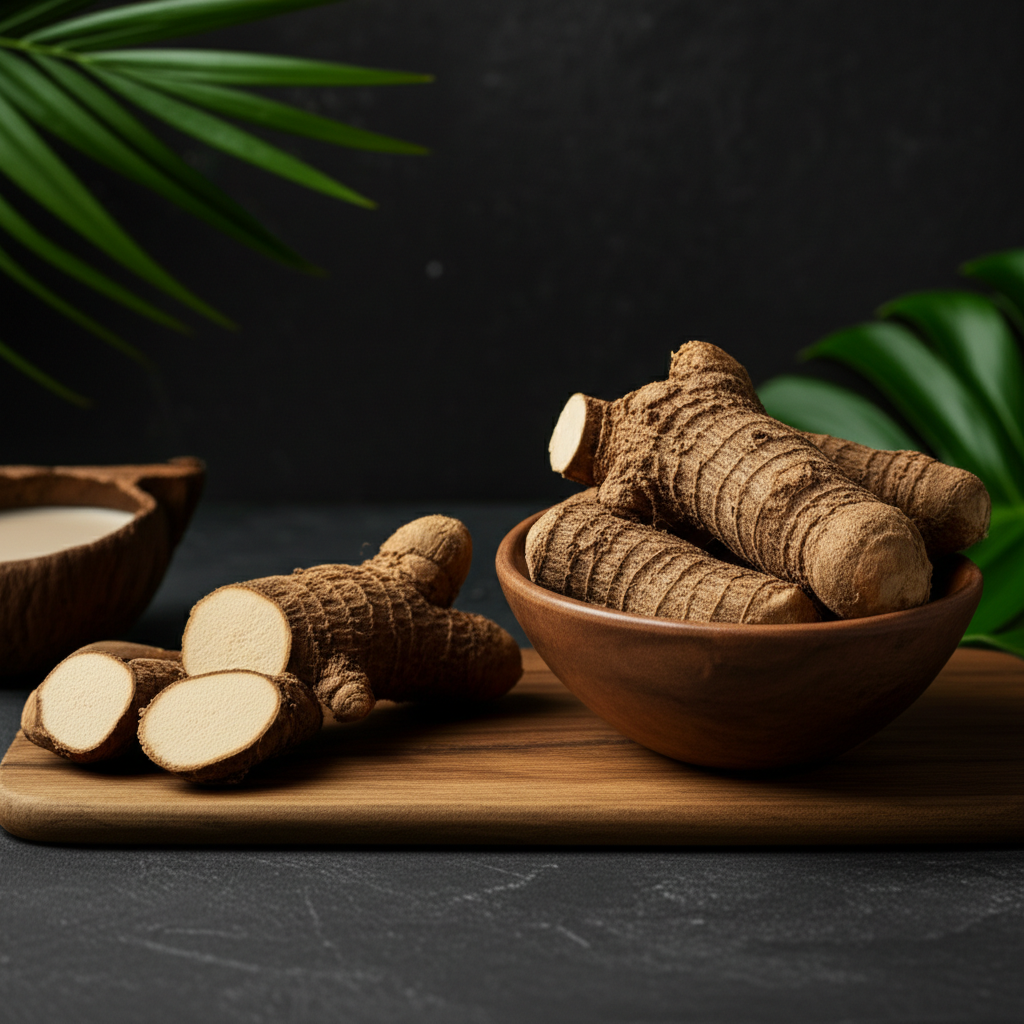
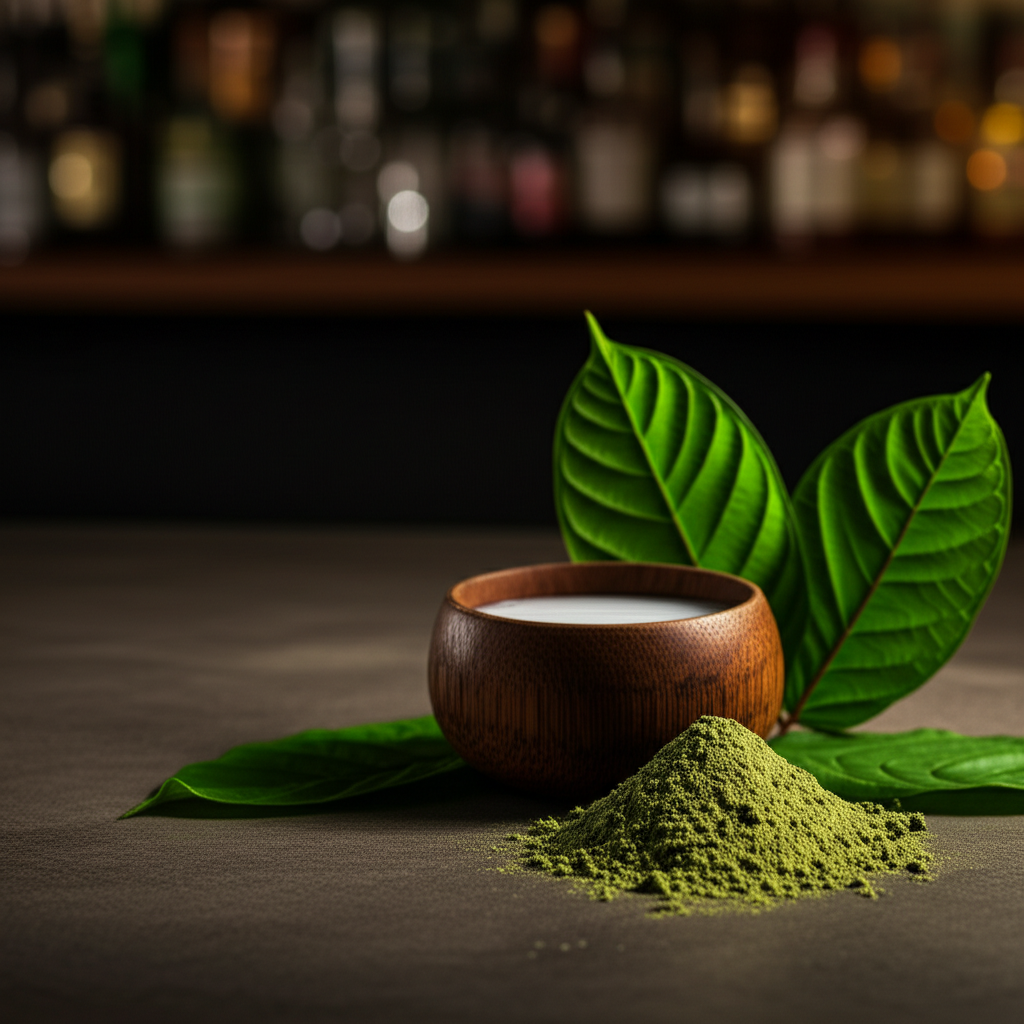
Kava, derived from the Piper methysticum plant, has been used for centuries in traditional ceremonies for its calming effects. In 2026, advanced research has illuminated its mechanisms, particularly how it interacts with the brain's GABA receptors to promote relaxation without sedation. A recent study published in the Journal of Natural Medicine highlighted kava's ability to reduce anxiety by up to 30% in participants, making it a go-to for those battling digital burnout.
Moreover, kava's anti-inflammatory properties are gaining attention for enhancing cognitive function. Experts suggest that regular, moderate consumption can improve focus and decision-making, which is crucial in our hyper-connected era. Unlike stimulants that lead to crashes, kava provides a steady uplift, helping professionals maintain productivity throughout the day.
Emerging Studies on Kava's Impact on Sleep and Mental Health
Sleep deprivation is a global epidemic in 2026, with reports indicating that over 60% of adults experience poor sleep quality due to work and technology. New studies from institutions like the Sleep Research Institute have explored kava's role in addressing this issue. One groundbreaking trial involved 500 participants who incorporated kava into their nightly routines, resulting in a 25% improvement in sleep onset and overall restfulness.
Beyond sleep, kava is showing promise in mental health arenas. Research from 2025, now widely referenced, links kava to reduced symptoms of mild depression and stress-related disorders. This is particularly relevant as remote work persists, blurring the lines between professional and personal life. However, it's essential to consume kava responsibly, adhering to guidelines from health authorities to avoid potential side effects like liver strain in rare cases.
- Key findings from recent studies: improved REM sleep cycles.
- Benefits for mental clarity and emotional stability.
- Comparisons with other natural supplements, highlighting kava's unique advantages.
The Rise of Innovative Kava Products and Community Spaces
As awareness grows, the kava industry is innovating beyond traditional preparations. In 2026, we're seeing a surge in kava-infused beverages, capsules, and even tech-integrated products like smart diffusers that release kava extracts for on-demand relaxation. This evolution is making kava more accessible for urban dwellers who need quick stress relief amid their busy schedules.
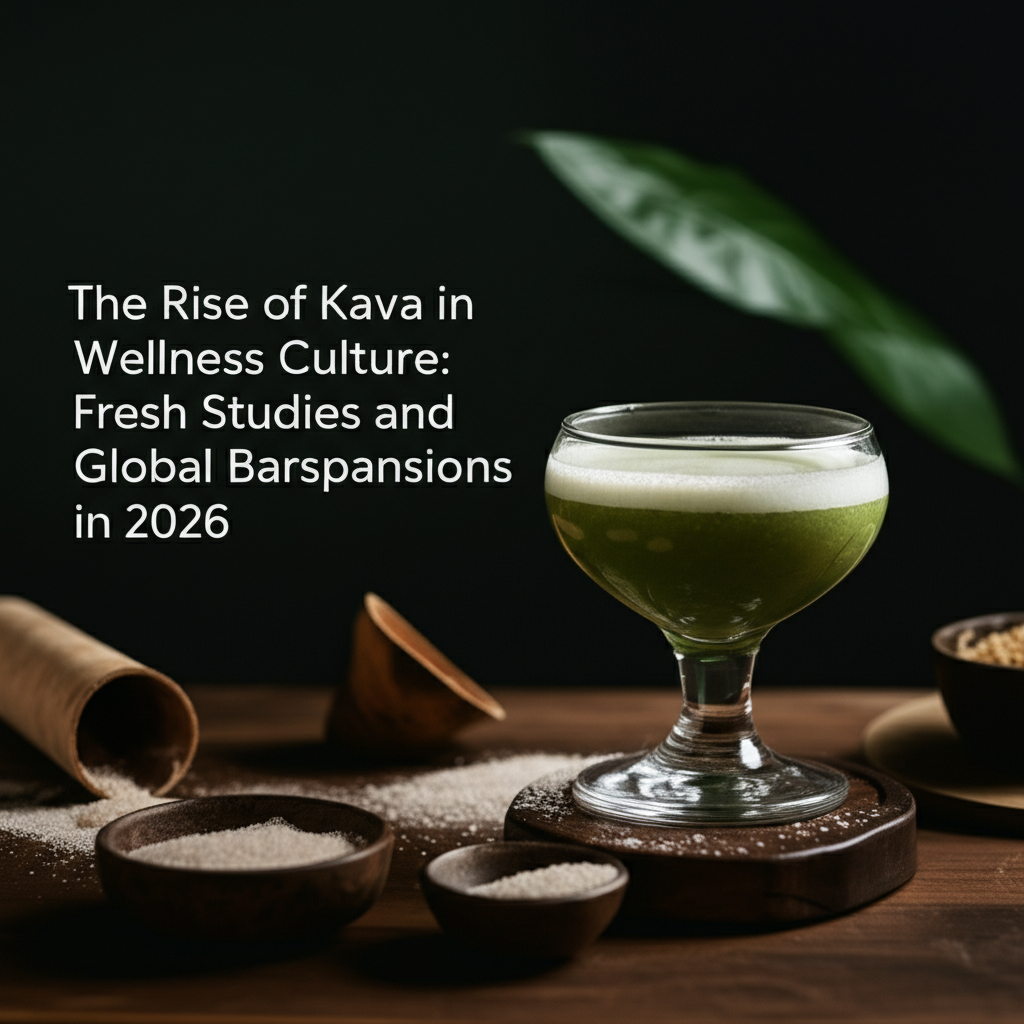
New kava bars are popping up in unexpected places, such as tech hubs and corporate campuses, transforming them into wellness oases. For instance, a recently opened kava lounge in Silicon Valley offers sessions combining kava with mindfulness apps, fostering a community around holistic health. These spaces are not just about consumption; they're educational hubs where users learn about sustainable sourcing and the cultural heritage of kava.
Meanwhile, the kratom industry, often paralleled with kava for its herbal properties, is undergoing regulatory scrutiny. While kratom focuses on pain relief and energy, its overlap with kava in the natural remedies market is sparking discussions on quality control and ethical practices. This interplay is pushing both industries toward higher standards, benefiting consumers in the long run.
Integrating Kava into Everyday Life: Practical Tips and Future Trends
For those eager to incorporate kava into their routines, starting small is key. Begin with a low-dose kava tea in the evening to wind down, gradually assessing its effects on your sleep and productivity. Experts recommend pairing it with habits like journaling or light exercise to maximize benefits. In 2026, wearable tech is even integrating kava tracking, allowing users to monitor their relaxation levels in real-time.
Looking ahead, the future of kava lies in personalized wellness. With AI-driven recommendations, consumers can tailor kava blends to their specific needs, whether for enhancing creativity or combating jet lag. As global interest grows, sustainable farming practices are becoming a priority, ensuring that kava's popularity doesn't harm its native environments.
- Tips for safe kava use: Consult a healthcare professional and source from reputable suppliers.
- Emerging trends: Kava in corporate wellness programs and virtual reality relaxation experiences.
- Potential challenges: Navigating regulations and maintaining product purity.
In conclusion, kava's untapped potential is just beginning to unfold in 2026, offering a natural path to better sleep and enhanced productivity in our digital world. By staying informed and using it wisely, individuals can harness these benefits to lead more balanced lives, paving the way for a healthier future.