The Deep Historical Roots of Kava
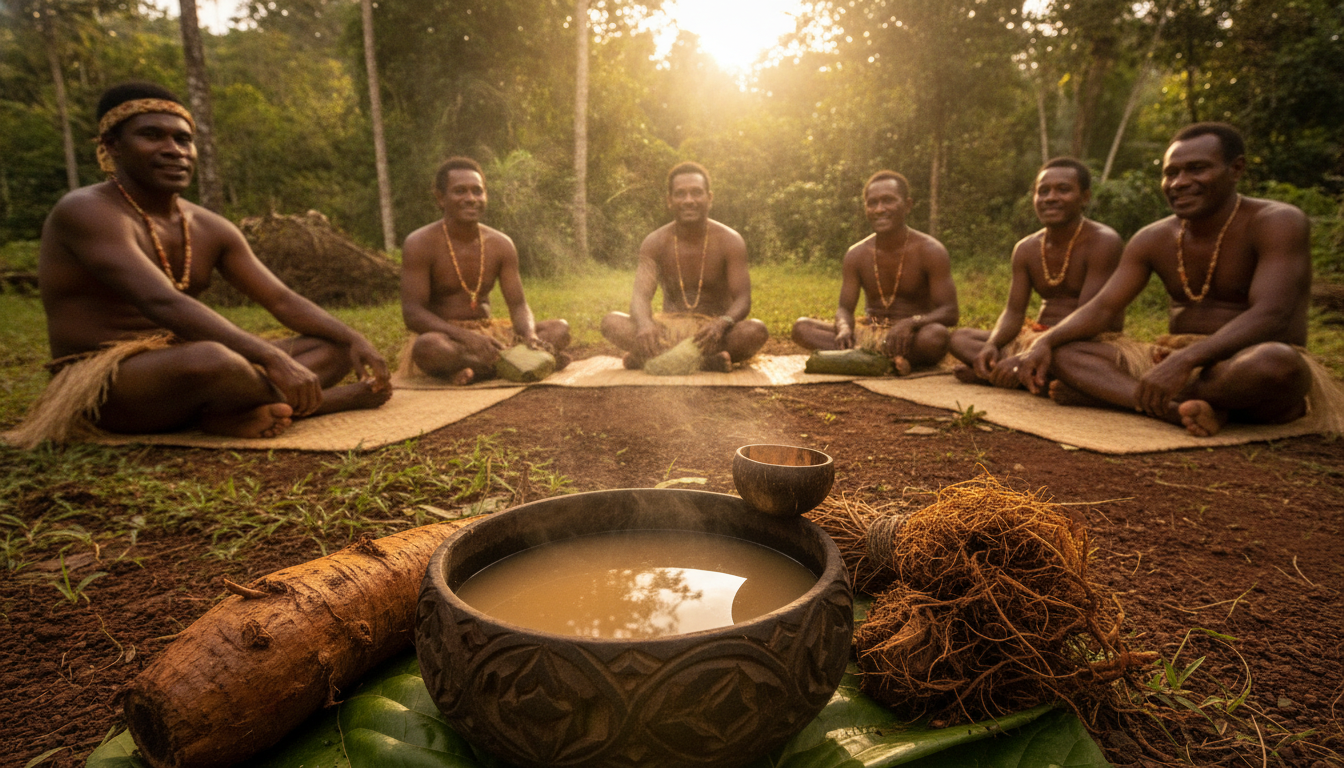
Kava, derived from the root of the Piper methysticum plant, possesses a history stretching back over 3,000 years. Its origins are deeply embedded in the cultural landscape of Pacific Island communities, where it has long been a central element in social, ceremonial, and medicinal practices. The spread of kava across the Pacific is a testament to the remarkable navigational skills and cultural exchanges among island nations. Historical migration routes, such as the Kahiki-Tahiti connection, meticulously document its journey and evolution. Vanuatu, recognized as a leading kava-producing nation, has been instrumental in disseminating kava culture, influencing its development while steadfastly preserving its core significance.
Traditional kava use in the Pacific Islands is characterized by a profound reverence for the plant and its effects. Communities cultivated sophisticated agricultural knowledge, learning to identify and nurture noble varieties that thrived in specific soil conditions and climates. This extensive wisdom, meticulously passed down through generations, ensured the selection of superior kava roots. Furthermore, traditional communities possessed a nuanced understanding of how diverse preparation methods influenced the effects of various noble kava strains - an insight that remains highly relevant today.
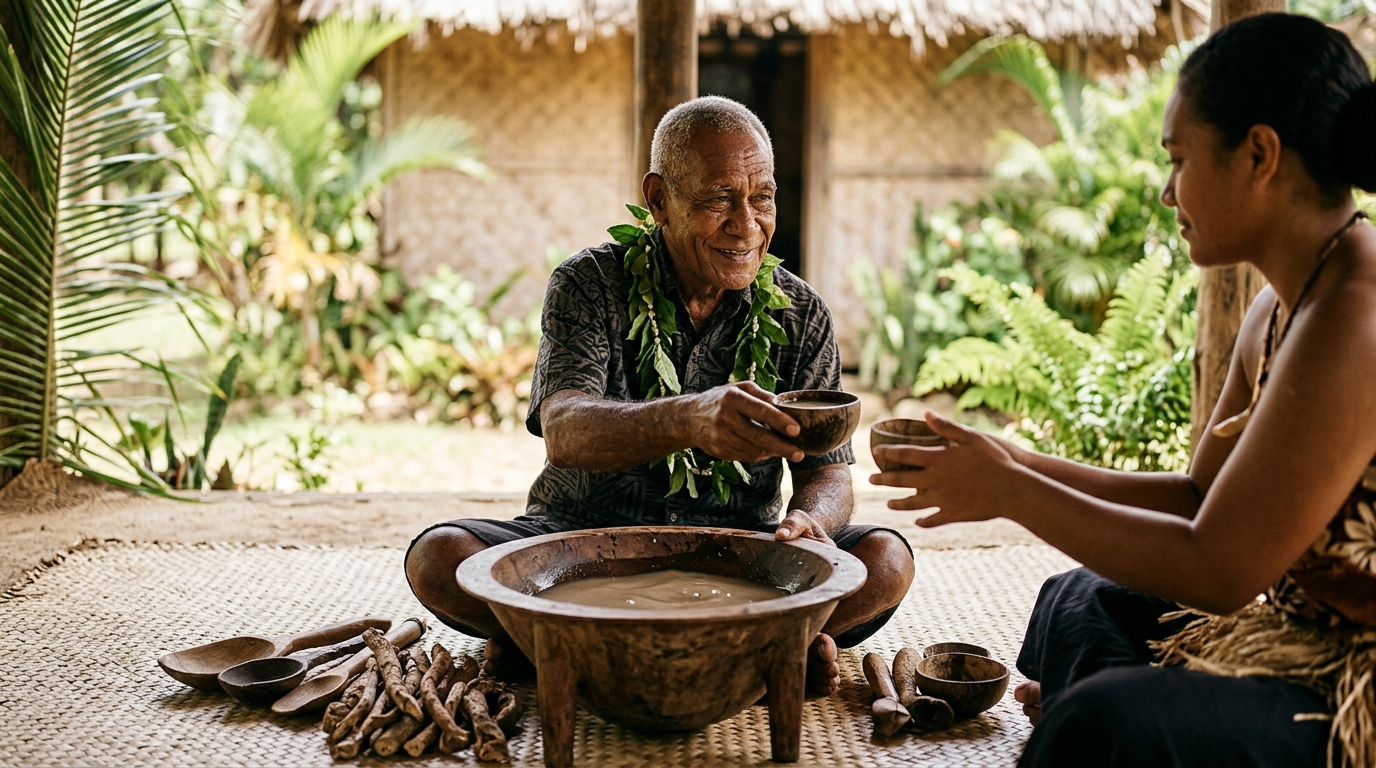
The traditional kava-drinking house, known as the nakamal in Vanuatu and other Pacific Islands, serves as the foundational inspiration for many contemporary kava bars. These traditional spaces were, and continue to be, vital centers for communal gathering, thoughtful discussion, and profound relaxation, embodying the spirit of shared experience and social cohesion that kava inherently fosters. Grasping this rich history is essential for anyone seeking to engage with kava in a meaningful way, whether within a traditional setting or a modern kava bar.
Noble Kava: Upholding Quality and Heritage
Central to authentic kava culture is the critical distinction of noble kava. Noble varieties are carefully selected cultivars of the kava plant, prized for their desirable kavalactone profiles, which contribute to their pleasant effects and traditional safety. The meticulous cultivation and selection of noble kava demanded extensive knowledge, diligently passed down through generations of farmers who understood the subtle differences between plants and their optimal growing conditions. This agricultural wisdom became an integral and cherished part of the Pacific Island culture of kava.
Reputable kava bars and sellers prioritize noble, origin-named root, often specifying the cultivar and actively supporting Pacific growers. This practice not only guarantees a high-quality product but also demonstrates profound respect for the traditions and communities that have nurtured kava for millennia. When you choose noble kava, you are experiencing something remarkably close to what Pacific Island communities have shared for generations, thereby connecting you to a rich lineage of careful cultivation and deep cultural significance.
The specific kavalactone profiles from each region and cultivar significantly influence the kava experience. Understanding how kava works in the brain, from the root to the sensation of relaxation, involves appreciating these unique chemical compositions. By consistently sourcing quality noble root, consumers can ensure they are engaging with kava in a manner that honors its traditional use and reliably delivers the intended effects.
Traditional Preparation: A Reverent and Potent Practice
The preparation of kava transcends a mere mechanical process; it is a ritual deeply imbued with cultural respect and intentionality. Traditional methods emphasize meticulous attention to detail, ensuring the kava's potency and preserving its profound cultural significance. While modern kava bars may adapt these methods for efficiency and convenience, the core principles remain steadfast.
Traditionally, kava roots are meticulously ground or pounded into a fine powder, then thoroughly mixed with water and kneaded within a straining cloth. This precise process effectively extracts the kavalactones, which are the active compounds responsible for kava's characteristic effects. The resulting beverage is then typically served in a communal bowl, often a coconut shell, and shared among participants. This communal aspect is profoundly vital, fostering a powerful sense of connection and shared experience among those present.
When preparing kava, the quality of the sourced noble root is absolutely paramount. Utilizing quality-sourced noble root ensures that the kavalactone profile is optimal, leading to a more authentic and effective experience. This traditional approach to preparation, when thoughtfully combined with high-quality ingredients, allows individuals to experience kava in a manner consistent with its historical use in Pacific Island communities. It is a practice that underscores patience, respect, and a deep, abiding understanding of the plant and its cultural role.
Kava Bars: Weaving Ancient Rituals into Modern Wellness
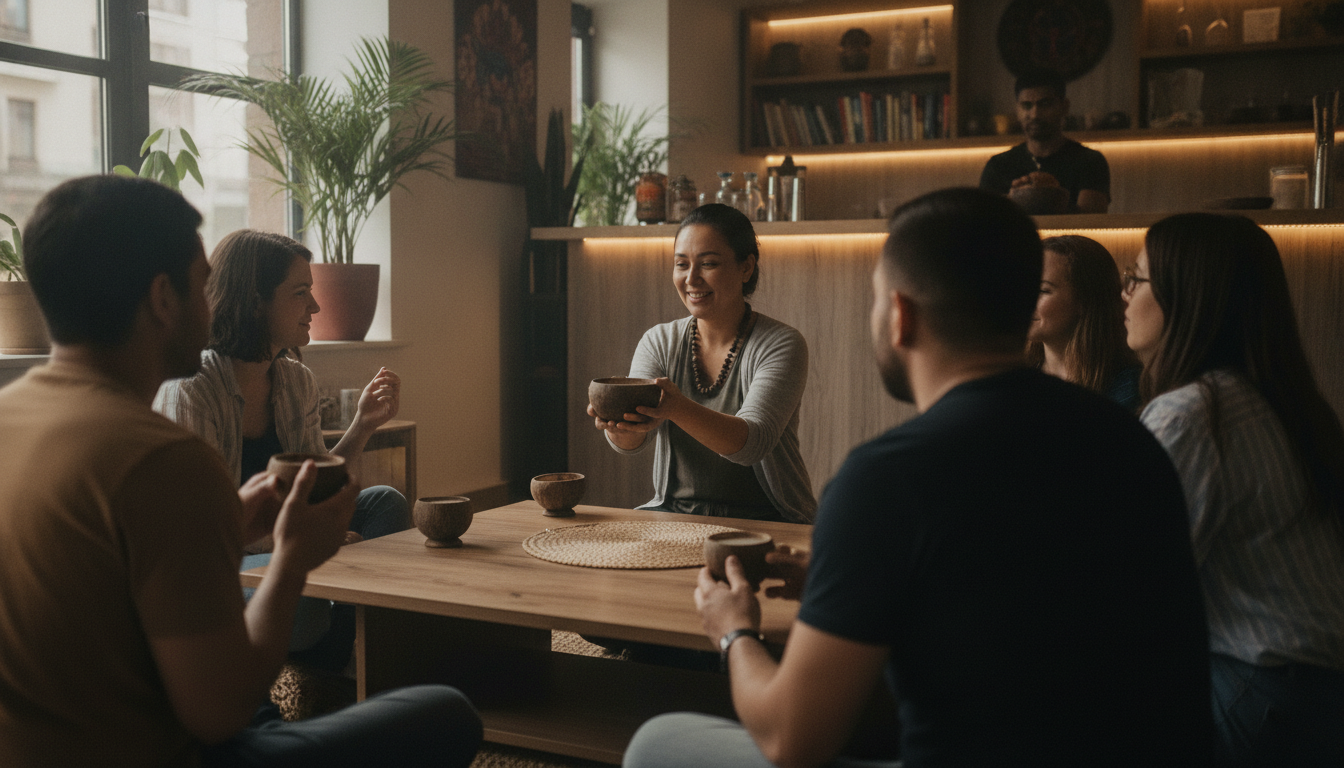
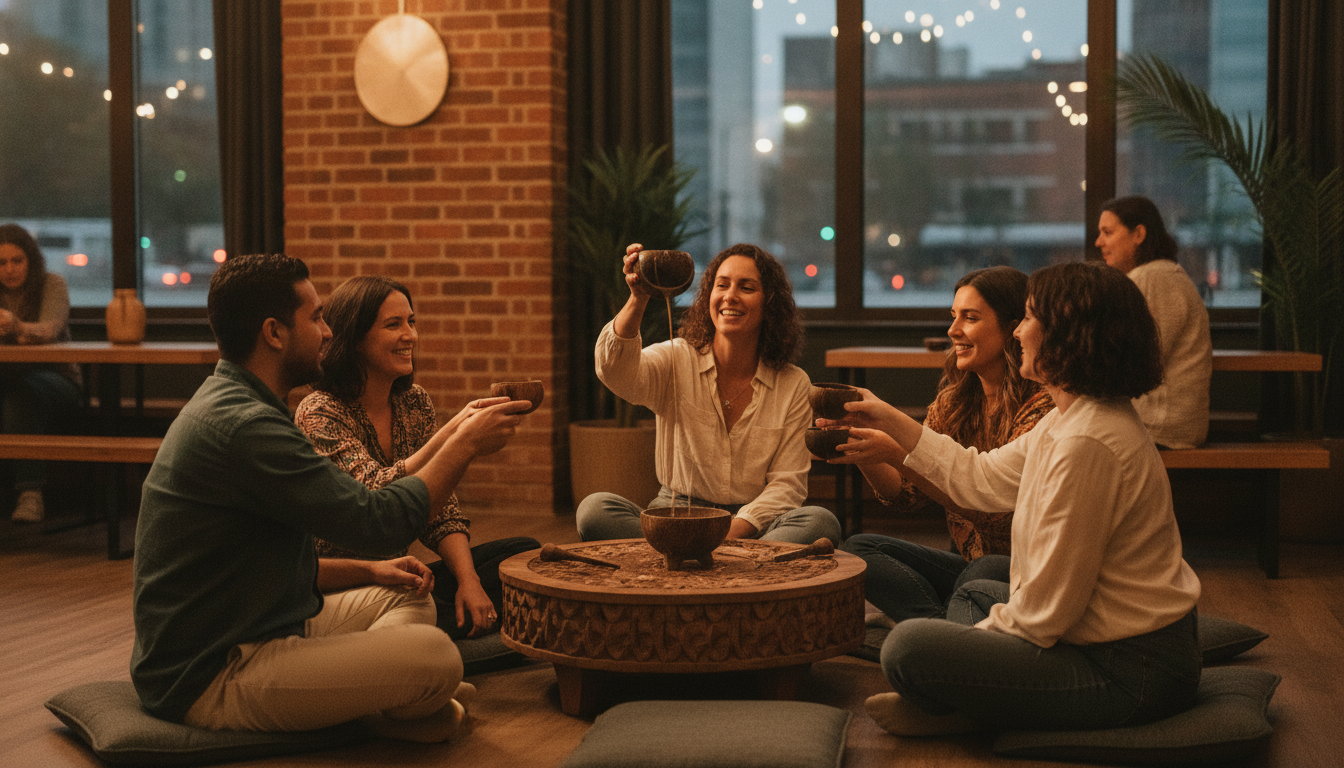
Today, contemporary kava bars in the United States and globally draw profound inspiration from the traditional nakamal, offering a distinctive social venue specializing in kava beverages. These establishments cultivate a relaxed, communal atmosphere, serving as a compelling alternative to conventional bars and actively promoting holistic wellness approaches. They are dynamic spaces where ancient Pacific traditions seamlessly intersect with contemporary social scenes, thereby creating a truly unique cultural experience.
Kava bars are far more than just places to consume kava; they function as vibrant community hubs where individuals can genuinely connect, unwind, and engage in mindful socializing. They embody a burgeoning trend towards natural remedies and inclusive community spaces, offering a pathway to wellness that aligns harmoniously with traditional practices. The unwavering emphasis on noble kava, meticulous preparation, and communal intention within these bars helps to preserve the integrity of kava culture while thoughtfully adapting it for a modern audience.
The experience within a kava bar frequently incorporates elements of traditional etiquette, such as the Fijian greeting commonly displayed on kava bar walls. Understanding the profound meaning and appropriate use of such greetings demonstrates genuine respect for the rich culture from which kava originates. These spaces actively encourage gratitude and authentic engagement, moving beyond mere consumption. By thoughtfully integrating these elements, kava bars offer a unique blend of historical reverence and contemporary appeal, making kava accessible to a broader audience while honoring its profound and enduring cultural legacy.